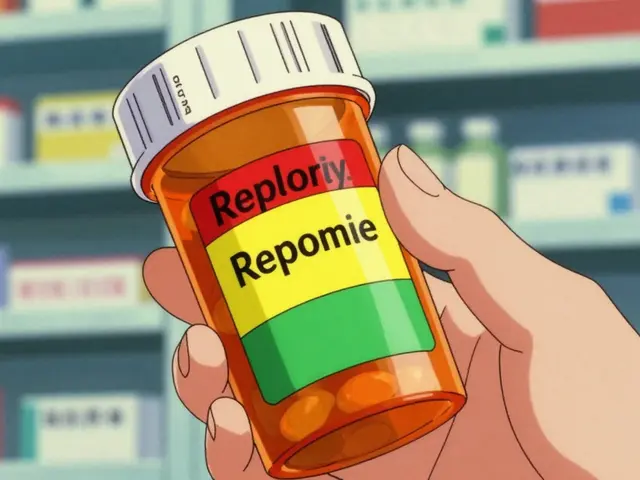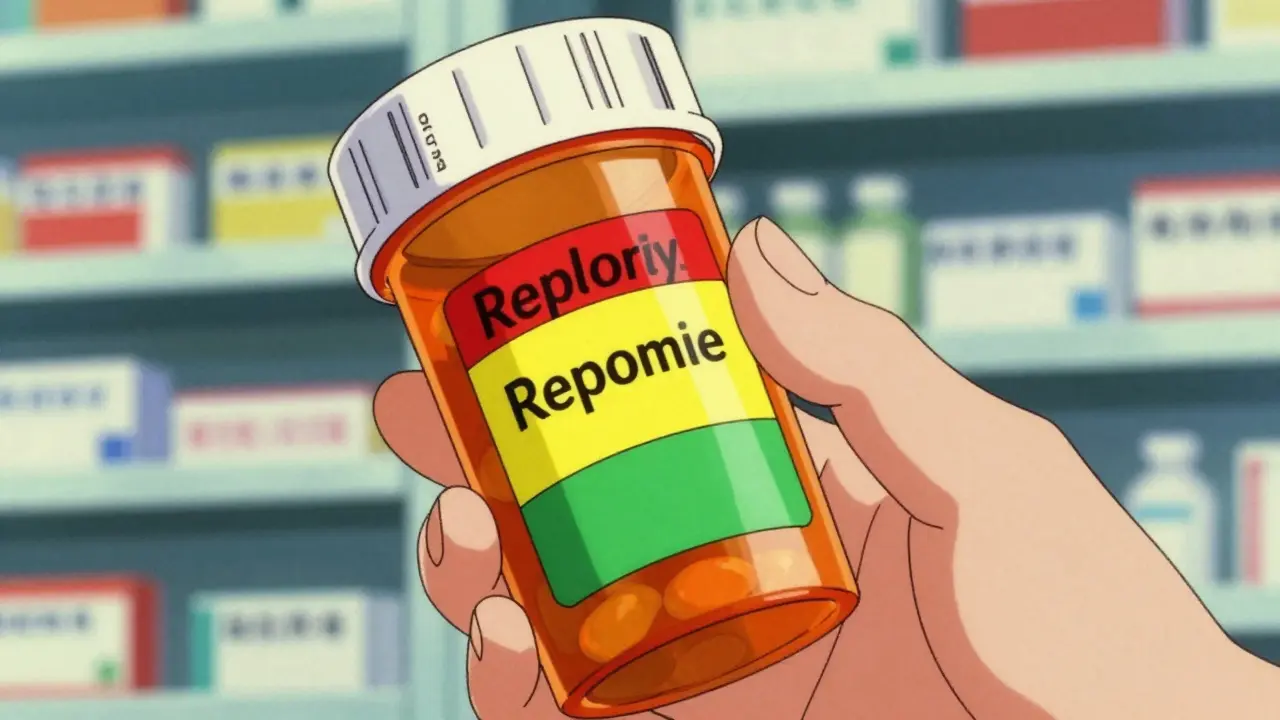
Ever wondered why your medication bottle is covered in small, brightly colored stickers? Those aren't just for decoration. Pharmacy Auxiliary Labels is a set of adhesive stickers applied to medication containers to provide supplemental safety and usage information that doesn't fit on the main prescription label. Also known as cautionary or advisory labels, these stickers act as a final safety net. Since about 50% of patients forget what the pharmacist told them verbally within just 48 hours, these visual cues are designed to trigger your memory and keep you safe.
Why These Small Stickers Matter for Your Safety
It sounds simple, but a tiny piece of paper can prevent a trip to the emergency room. In the U.S., roughly 1.3 million medication errors happen every year. Many of these occur because a patient missed a critical detail-like not knowing a drug interacts with alcohol or that it needs to stay in the fridge. By adding pharmacy auxiliary labels, pharmacists can highlight the most dangerous or important instructions.
Research shows that these labels actually work. Data from JAMA Internal Medicine indicates that patients using medications with auxiliary labels have an 18.7% higher adherence rate for chronic conditions. This isn't just about health; it's an economic win. Proper labeling helps prevent about 127,000 ER visits annually, saving the healthcare system over $1.3 billion.
Decoding the Colors: What the Stickers are Telling You
While there is no single federal law dictating colors, the pharmacy industry follows a pretty consistent pattern. If you see a specific color, it's usually trying to communicate a specific level of urgency.
| Color | Typical Meaning | Example Labels | Urgency Level |
|---|---|---|---|
| Red | Critical Warning / Danger | "May Be Habit-Forming," "Do Not Drive" | High |
| Yellow | Cautionary Advice | "Avoid Sunlight," "May Cause Drowsiness" | Medium |
| Green | General Instructions | "Take With Food," "Finish All Medication" | Low/Informational |
| Blue | Storage & Handling | "Keep Refrigerated," "Store in Cool Dry Place" | Operational |
The psychology behind this is intentional. About 87% of people instinctively link red to danger, while most associate yellow with caution. This allows you to gauge the importance of the message before you even read the words.
The Most Common Types of Auxiliary Labels
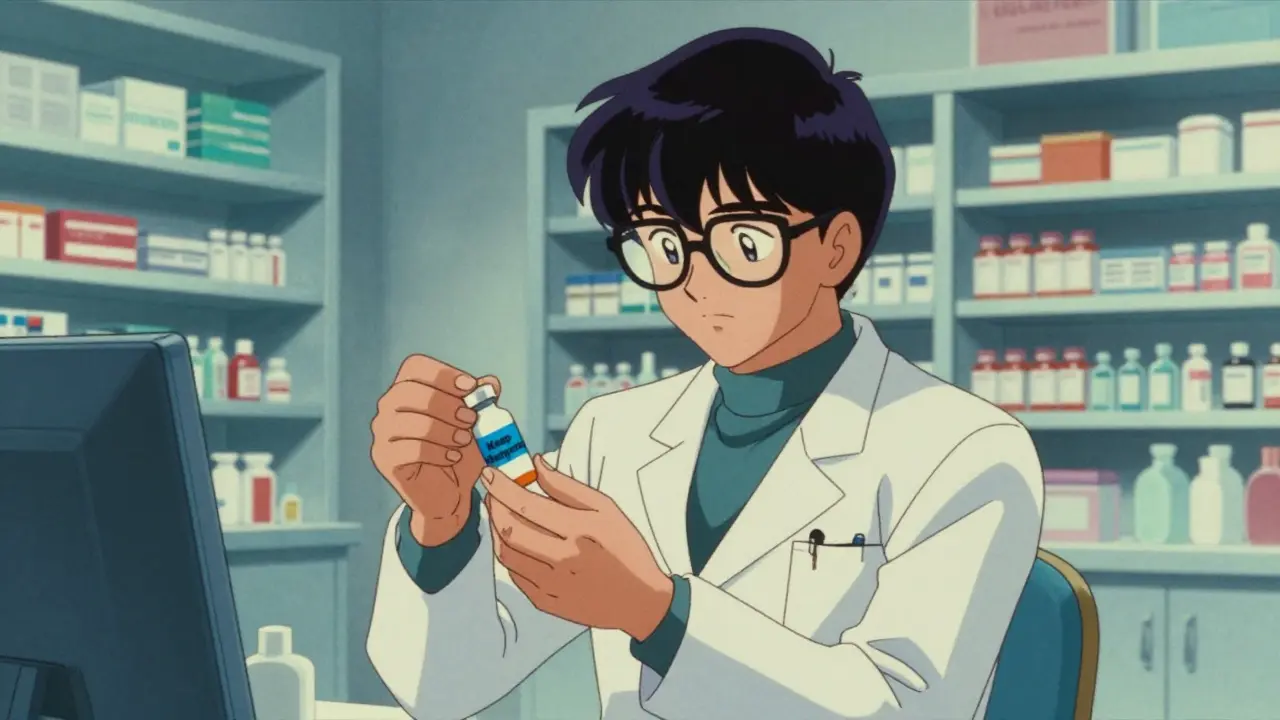
Not every medication needs a sticker, but for those that do, the labels usually fall into one of four categories. Understanding these helps you prioritize how you take your medicine.
- Safety Warnings: These prevent dangerous interactions. For instance, about 27% of antibiotic prescriptions carry a "Do Not Take with Alcohol" warning.
- Usage Instructions: These ensure the drug works correctly. A common example is the "Take With Food" label, which appears on 41% of NSAID prescriptions to protect your stomach lining.
- Storage Requirements: Some drugs, especially biologics, break down if they get too warm. About 18% of these high-tech meds require a "Keep Refrigerated" label.
- Adherence Reminders: These are crucial for curing infections. For example, 68% of antibiotic courses include a "Take Until Finished" label to prevent antibiotic resistance.
The Science of Placement and Comprehension
Where a pharmacist sticks the label actually changes how likely you are to see it. Most pharmacies use vertical placement (stacking labels up the side), but this is actually less effective. A study in the Journal of the American Pharmacists Association found that "interactive placement"-where the label is placed so you have to touch or move it to open the vial-increases noticeability by 63%.
Then there is the issue of literacy. Reading a label is one thing, but understanding it is another. Research in the Annals of Pharmacotherapy showed that patients with low literacy had 47% higher comprehension when simple icons or pictures were used alongside the text. This is why many modern labels now include a small picture of a sun (for sunlight warnings) or a glass of water.
Common Pitfalls and Confusion
Despite their usefulness, these labels aren't perfect. One major issue is "label clutter." When a bottle has five or six stickers, they start to overlap, and the most important one might get hidden. The Institute for Safe Medication Practices suggests a limit of 1 to 3 auxiliary labels per container to avoid this confusion.
There is also the risk of misinterpretation. A study from Johns Hopkins University found that 22% of patients confused "Take with Food" with "Take after Meals." This is a critical distinction because taking a drug 30 minutes after a meal versus during the meal can actually change how much of the medicine your body absorbs.
What's Next for Medication Labeling?
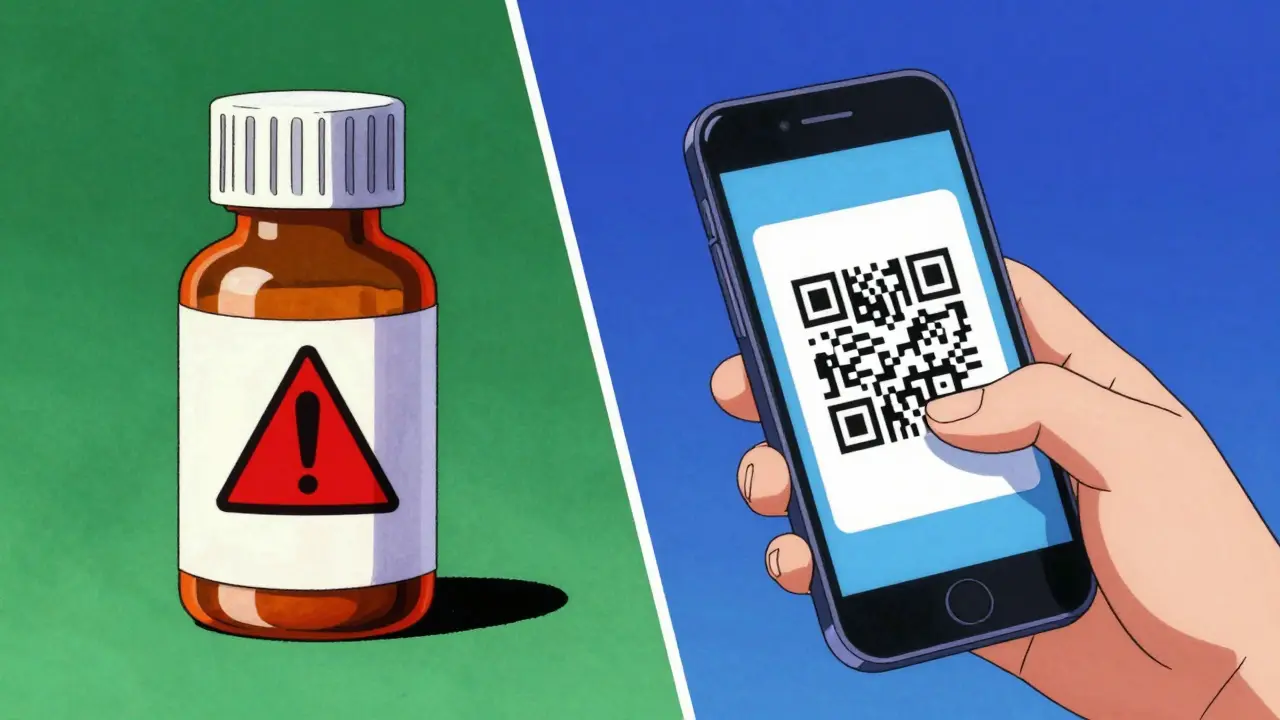
The industry is moving toward a hybrid of physical and digital safety. Since 2023, some pharmacies have started testing QR codes on labels. Instead of a tiny sticker, you scan a code that takes you to a short video showing exactly how to administer the drug. This is especially helpful for complex injections.
We are also seeing the rise of "smart labels." These use temperature-sensitive inks that change color if a medication has been exposed to heat for too long, which is a game-changer for expensive biologics and insulin. While digital tools are growing, physical stickers will stay. CMS requirements ensure that 100% of medication containers have essential safety info in a permanent, visible format, because a phone battery can die, but a red sticker is always there.
Are pharmacy auxiliary labels required by the FDA?
No, the FDA does not federally regulate these labels. However, they are strongly recommended by the majority of state pharmacy boards, and 39 states have incorporated specific labeling requirements into their pharmacy practice acts to ensure patient safety.
What should I do if my medication bottle has no stickers but I think it needs one?
You should contact your pharmacist. Some studies suggest that 15-25% of prescriptions may lack necessary auxiliary labels due to human error. If you are taking a high-risk medication, ask your pharmacist if there are any specific cautionary labels that should be on your bottle.
Why does my medication say "Take With Food"?
This is usually to reduce gastrointestinal side effects, such as nausea or stomach ulcers. It is different from "Take After Meals," which is often about timing absorption. Always clarify the exact timing with your pharmacist.
Can I get these labels in a language other than English?
While it is possible, only about 22% of U.S. pharmacies consistently provide labels in languages other than English. If English is not your primary language, you should explicitly request translated auxiliary labels from your pharmacy provider.
What happens if two labels on my bottle seem to contradict each other?
Stop and call your pharmacist immediately. While rare, research has shown that 8-12% of labels in some retail settings can contain contradictory or unclear messaging. Never guess when it comes to medication safety.