
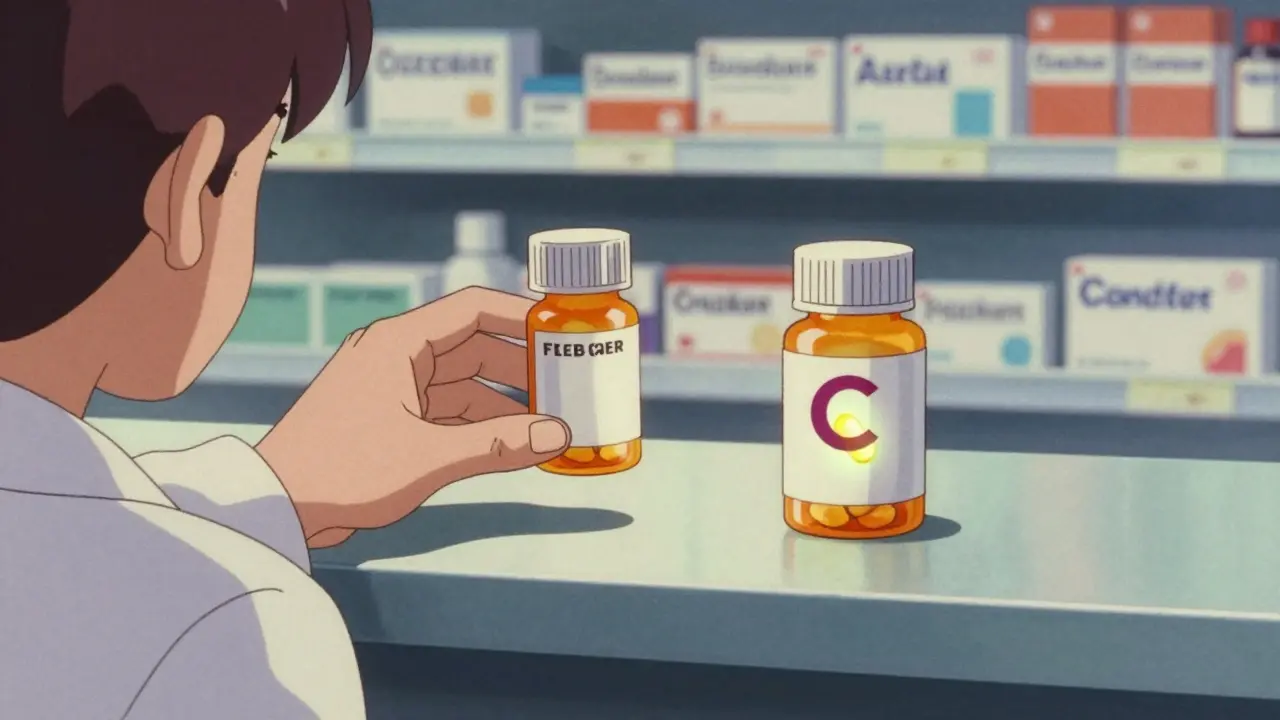
When you pick up a prescription, you might see a box that looks exactly like your brand-name drug-but without the familiar logo. It’s cheaper. It’s labeled as a generic. But is it really the same? If you’ve been switched from your brand drug to what’s called an authorized generic, you’re not getting a copy. You’re getting the exact same pill, made in the same factory, with the same ingredients. The only difference? No brand name on the label.
What Exactly Is an Authorized Generic?
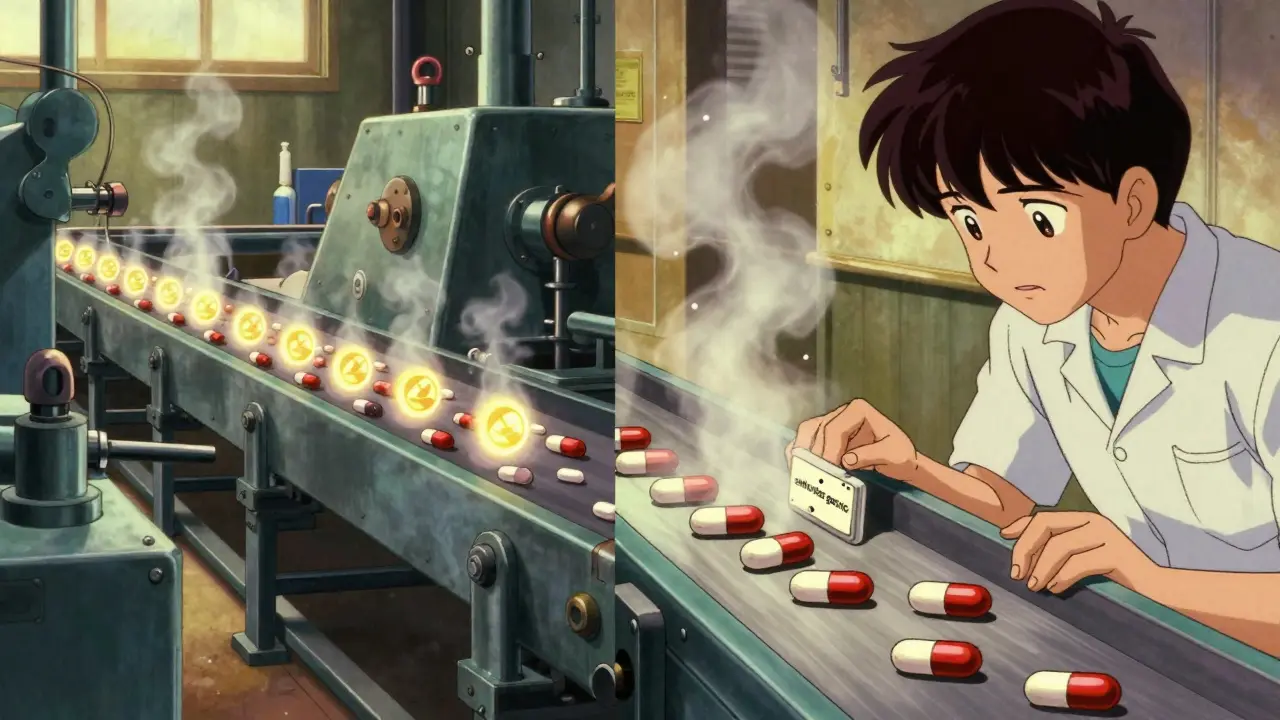
An authorized generic is not a copycat. It’s not a version made by a different company trying to mimic the original. It’s the real thing-just sold under a different name. The FDA defines it clearly: an approved brand-name drug that’s sold without the brand name on the packaging. It comes from the same manufacturer, the same生产线, the same batch process. Every active ingredient, every filler, every coating is identical to the branded version.
How does this happen? The brand-name company owns the original New Drug Application (NDA) with the FDA. When they decide to launch an authorized generic, they simply sell the exact same product under a different label-often through a subsidiary or a licensed partner. No new approval is needed. No extra testing. No changes to the formula. That’s why the FDA says it’s therapeutically identical to the brand drug.
Compare that to a traditional generic. Traditional generics must prove they’re bioequivalent-meaning they deliver the same amount of active ingredient into your bloodstream within a certain range. But they can use different inactive ingredients: dyes, binders, preservatives. Those don’t affect how the drug works, but they can trigger reactions in people with sensitivities. Allergies to food dyes? Lactose intolerance? That’s where authorized generics matter.
Why Do Brand Companies Sell Their Own Generics?
It sounds strange, right? Why would a company that spent billions developing a drug turn around and sell a cheaper version of it? The answer is competition.
After a drug’s patent expires, other companies can make traditional generics. That drives prices down. But the original brand company doesn’t want to lose all its revenue. So they launch their own authorized generic-sometimes before the first traditional generic even hits the market. This lets them capture part of the generic market while keeping the brand drug on the shelf at full price.
It’s a smart business move, but it can confuse patients. You might expect a generic to cost 80% less than the brand. But an authorized generic? It often costs only 15-20% less. Why? Because it’s still the same product, made by the same company. So while you’re saving money, you’re not saving as much as you would with a traditional generic.
According to GoodRx data from 2023, brand-name drugs still cost 80-85% more than traditional generics. But authorized generics sit in the middle-closer to the brand price. That’s not a flaw. It’s how the system works. The savings come from cutting marketing, advertising, and brand packaging costs-not from changing the drug itself.
Is It Really the Same as the Brand?
Yes. Absolutely.
Studies back this up. A 2018 analysis of over 5,000 patients using medications like asthma inhalers, antidepressants, and blood pressure drugs found no meaningful difference in hospital visits, emergency room trips, or whether people stopped taking their meds between those on brand drugs and those on authorized generics.
Dr. Choudhry from Harvard Health puts it plainly: traditional generics can vary by up to 20% in active ingredient concentration under FDA rules. In reality, most vary by only 4%. But authorized generics? Zero variation. They’re the same batch. Same pill. Same everything.
For people with sensitivities-like those allergic to dyes or fillers-this matters. The American Academy of Allergy, Asthma & Immunology confirms that authorized generics have the same inactive ingredients as the brand. So if you had a reaction to a traditional generic, switching to the authorized version might solve the problem.
One patient on a community forum wrote: “I’ve been using the authorized generic of Xyzal for two years with identical results. No more itching, no more drowsiness. I didn’t realize the generic I was on before had a different dye.”
Why Do Pharmacists Keep Switching You?
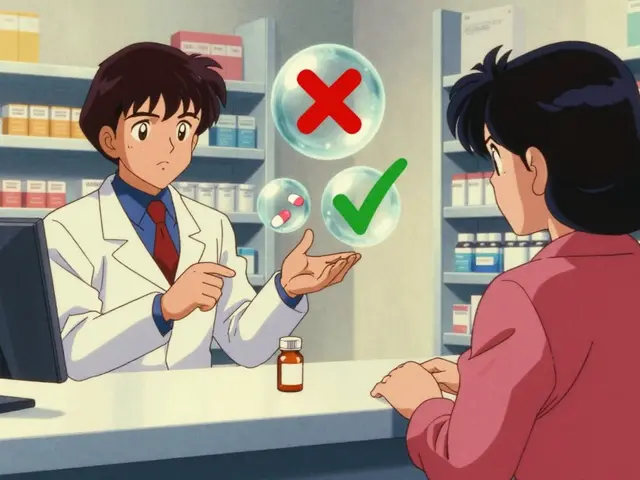
Most states allow pharmacists to substitute a generic for a brand drug unless the doctor writes “DAW” (Dispense As Written). But here’s the catch: pharmacists don’t always know if the generic they’re handing you is an authorized generic or a traditional one.
Pharmacy Times reported that about 30% of patients question the switch-even when it’s the exact same drug. Why? Because the packaging looks different. The pill color might change. The name on the bottle is unfamiliar. Patients assume it’s a cheaper, lower-quality version.
Pharmacists are trained to explain the difference, but they’re busy. And many don’t realize that authorized generics aren’t just “another generic.” They’re the brand drug in disguise.
If you’re switching from a brand to a generic and you notice a change in how you feel-itchiness, nausea, headaches-it’s worth asking: “Is this an authorized generic?” If it’s not, and you suspect the inactive ingredients are the issue, ask your doctor to specify “DAW” on the prescription. Or ask for the authorized generic by name.
How to Spot an Authorized Generic
You won’t find “authorized generic” printed on the bottle. But you can find clues.
- Check the manufacturer name. If it’s the same company that makes the brand drug (like Pfizer, AbbVie, or Johnson & Johnson), it’s likely an authorized generic.
- Look up the drug on the FDA’s website. The FDA lists authorized generics separately from traditional ones. You can search by brand name and see if an authorized version exists.
- Ask your pharmacist: “Is this the same pill as the brand, just without the name?” If they hesitate, ask to see the label or call the manufacturer.
Some pharmacies even label them as “Authorized Generic” on the receipt or in their system. But not all do. Don’t assume. Ask.
Insurance and Cost: What You’ll Pay
Your insurance plan might cover authorized generics under the same tier as traditional generics. That’s good. But don’t assume it’s the cheapest option.
Here’s how pricing usually breaks down:
- Brand drug: $150/month
- Authorized generic: $120-$130/month
- Traditional generic: $15-$30/month
So if cost is your top priority, the traditional generic wins. But if you’ve had bad reactions to other generics, or your doctor says your condition is sensitive to tiny formulation changes, the authorized generic is the safest bet.
Some insurance companies push authorized generics because they’re still cheaper than the brand. But they don’t always tell you that a cheaper option exists. Always check your plan’s formulary-or ask your pharmacist to compare prices.
What’s Changing in 2026?
The FDA is pushing for more transparency. In 2022, they started exploring whether authorized generics should be listed in the Orange Book-the official directory of approved drugs and their equivalents. Right now, they’re not. That makes it harder for doctors and pharmacists to know what’s available.
There’s also growing concern about pricing. Some brand companies use authorized generics to delay true generic competition. That’s why lawmakers introduced the Affordable Prescriptions for Patients Act in 2023. It aims to stop brand companies from using authorized generics as a tactic to block cheaper alternatives.
But for now, authorized generics remain a real, legal, and safe option. Evaluate Pharma projects they’ll make up 5-7% of the generic drug market through 2028-mostly in areas like asthma, epilepsy, and mental health, where even small changes in formulation can affect outcomes.
Bottom Line: You’re Not Getting a Second-Rate Drug
An authorized generic isn’t a compromise. It’s the brand drug, stripped of its marketing. Same factory. Same ingredients. Same results. If you’ve had problems with traditional generics-rashes, stomach upset, weird side effects-this might be your solution.
But if you just want the lowest price, go with the traditional generic. Most people never notice a difference. For the majority, it’s perfectly safe.
Know what you’re getting. Ask questions. Don’t assume a generic is a generic. And if your doctor says “this drug is critical to your health,” make sure you understand exactly what you’re taking-and why.


steve rumsford
January 7, 2026 AT 04:57Andrew N
January 7, 2026 AT 04:59Ayodeji Williams
January 8, 2026 AT 10:07Kyle King
January 10, 2026 AT 06:36Alex Danner
January 11, 2026 AT 13:12Elen Pihlap
January 12, 2026 AT 21:56Paul Mason
January 14, 2026 AT 12:38LALITA KUDIYA
January 15, 2026 AT 02:40Poppy Newman
January 16, 2026 AT 13:07Jessie Ann Lambrecht
January 16, 2026 AT 14:47Rachel Steward
January 17, 2026 AT 11:20Anastasia Novak
January 17, 2026 AT 12:49Sai Ganesh
January 18, 2026 AT 20:35