Imagine waking up to find that a life-saving medication, which you've taken for years, is suddenly unavailable across every pharmacy in your city. It's not a glitch in the system or a simple delivery delay; it's a systemic collapse. This isn't a hypothetical scenario. For many patients and providers, drug shortages is a critical public health issue where the demand for a pharmaceutical product exceeds the available supply. Commonly known as medication scarcity, this phenomenon creates a dangerous gap in patient care and puts immense pressure on healthcare systems.
Predicting these gaps before they happen is the only way to prevent patient harm. While traditional supply-demand models were once enough, today's pharmaceutical landscape is too volatile. We now need a sophisticated approach to scarcity forecasting, integrating geopolitical risks, climate data, and manufacturing bottlenecks to stay ahead of the curve.
The Core Drivers of Pharmaceutical Scarcity
Why do we run out of drugs? It's rarely just one thing. Usually, it's a perfect storm of several factors. To forecast shortages, we have to look at the macro-trends currently reshaping the world.
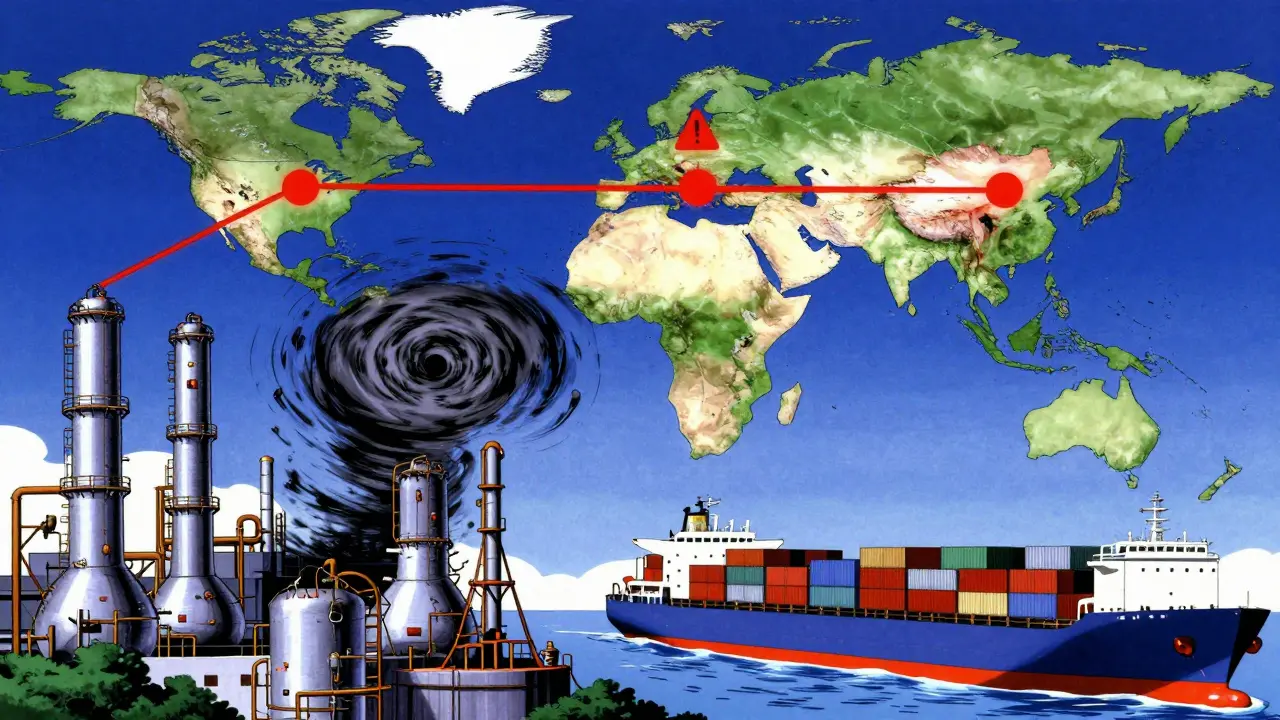
- Geoeconomic Fragmentation: As countries move toward "near-shoring" or "friend-shoring," the global pharmaceutical supply chain is fracturing. If a major producer of active pharmaceutical ingredients (APIs) faces a political crisis or trade tariff, the ripple effect is felt globally.
- Climate Impacts: Environmental disasters are no longer "black swan" events. A hurricane hitting a major chemical plant in Puerto Rico or floods in India can wipe out a significant percentage of the global supply for a specific generic drug.
- Demographic Shifts: As populations age, the demand for chronic disease medications spikes. If production doesn't scale at the same rate as the aging population, a structural shortage becomes inevitable.
- Regulatory Hurdles: Stricter FDA or EMA quality standards can shut down a non-compliant facility overnight. While quality is non-negotiable, the sudden removal of a primary manufacturer from the market creates an immediate void.
How Modern Forecasting Works: Beyond Simple Spreadsheets
Old-school forecasting looked at last year's sales and added 5%. That doesn't work anymore. Modern predictive analytics for drug shortages uses a systems-analysis approach. It's more like weather forecasting than accounting.
Analysts now monitor "leading indicators." For example, if there is a sudden spike in the price of a raw chemical precursor in China, it's a signal that the final medication will likely be scarce in six months. They also track API (Active Pharmaceutical Ingredient) concentration. If 80% of the world's supply of a specific drug comes from one province in one country, that's a high-risk red flag.
| Method | Data Focus | Prediction Window | Reliability |
|---|---|---|---|
| Historical Trending | Past Sales Volume | Short-term (weeks) | Low (misses shocks) |
| Supply Chain Mapping | Vendor Locations & API Sources | Medium-term (months) | Moderate |
| Systems Analysis | Climate, Geopolitics, Demographics | Long-term (years) | High (identifies risks) |
The "Bullwhip Effect" and Its Impact on Predictions
One of the biggest challenges in forecasting is the "bullwhip effect." This happens when a small fluctuation in patient demand causes a massive overreaction further up the supply chain. Imagine a small increase in demand for a specific antibiotic. The pharmacy orders more from the wholesaler; the wholesaler panics and orders double from the manufacturer; the manufacturer ramps up production and over-orders raw materials.
When the trend stabilizes, everyone is left with too much inventory, leading to a market crash and subsequent under-investment. This cycle makes it incredibly hard to predict actual scarcity because the data is skewed by panic-buying and over-ordering. To counter this, forecasters are now using real-time prescription data rather than relying on order volumes from wholesalers.
Practical Strategies for Mitigating Predicted Shortages
Once a shortage is predicted, the goal shifts from analysis to action. We can't always stop a shortage, but we can stop the crisis. Here is how healthcare systems are adapting:
- Therapeutic Substitution: If a forecast shows a likely shortage of Drug A, clinicians begin transitioning patients to Drug B (a therapeutic equivalent) early, preventing a sudden, chaotic switch.
- Diversified Sourcing: Companies are moving away from "single-source" dependencies. Instead of one massive plant in Asia, they are building smaller, regional manufacturing hubs.
- Strategic Buffer Stockpiling: Rather than "just-in-time" inventory, which is efficient but fragile, hospitals are moving toward "just-in-case" stockpiling for critical, high-risk medications.
- Dynamic Pricing Models: While controversial, some systems use pricing to discourage hoarding, ensuring that the remaining supply is distributed based on medical urgency rather than who can pay the most.
The Role of AI in Future Scarcity Analysis
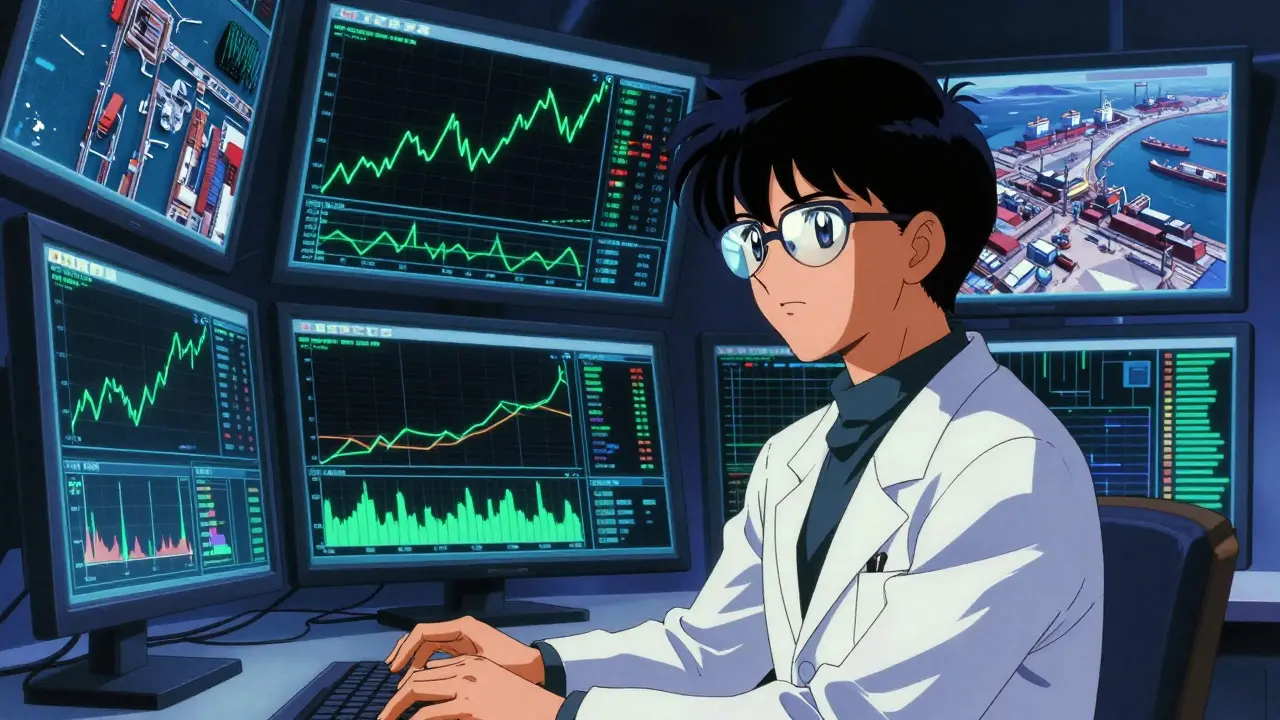
We are seeing a massive shift toward AI-driven monitoring. Machine Learning models can now scan thousands of news reports, shipping manifests, and satellite images of ports to detect delays before a manufacturer even reports them. If a port in Shanghai slows down by 10%, an AI can predict a shortage of specific generics in the US three months later.
However, this technology has its own scarcity problem: the AI talent gap. There aren't enough data scientists who actually understand pharmaceutical chemistry. This creates a bottleneck where the tools exist, but the expertise to implement them is scarce.
What is the difference between a drug shortage and a drug scarcity?
A shortage is usually a temporary situation where a drug cannot be supplied in the quantities needed. Scarcity is often a more permanent or structural condition, caused by a lack of raw materials or a permanent decline in manufacturing capacity.
Can patients help predict drug shortages?
Yes, through "crowdsourced" reporting. When patients report that multiple pharmacies are out of a drug via apps or forums, this real-world data often reaches health authorities faster than official reports from manufacturers.
How does climate change specifically cause medication shortages?
Climate change causes extreme weather that can destroy factories or disrupt shipping lanes. Additionally, some APIs are derived from biological sources (like plants); if a crop fails due to drought or heat, the raw material for the drug disappears.
Why aren't all drugs just made in the USA to avoid these issues?
Cost is the primary driver. Producing generic drugs in the US is significantly more expensive due to labor and environmental regulations. While there is a push for domestic production, the economic gap makes it difficult to move everything back overnight.
What should I do if my medication is predicted to be scarce?
Talk to your doctor immediately about alternatives. Don't hoard medication, as this worsens the shortage for everyone. Ask your pharmacist about the most reliable sources or if there is a therapeutic alternative you can start transitioning to.
Next Steps for Providers and Patients
If you're a healthcare provider, your first move should be an audit of your most critical medications. Identify which ones have a single point of failure in their supply chain. Establish relationships with multiple wholesalers so you aren't reliant on one company's inventory.
For patients, the best approach is communication. Stay informed about your medication's stability. If you hear reports of shortages, don't panic-panic causes the bullwhip effect. Instead, have a proactive conversation with your physician about "Plan B" medications so you aren't scrambling when the pharmacy shelf is actually empty.