Triptan Selection & Safety Checker
1. Safety Screening
2. Migraine Profile
Disclaimer: This tool is for educational purposes based on the article content and is not medical advice. Always consult a healthcare professional before starting or changing medications.
If you've ever dealt with a migraine, you know it's not just a "bad headache." It's a full-body takeover that can leave you in a dark room for hours. For millions, Triptans is a class of selective serotonin receptor agonists used specifically to stop a migraine attack once it has started. Since the first one hit the market in 1991, they've become the go-to choice for acute relief. But they aren't a magic bullet for everyone. Between strict cardiovascular warnings and tricky drug interactions, using them requires a bit of strategy to actually get the relief you need without running into safety issues.
How Triptans Actually Work
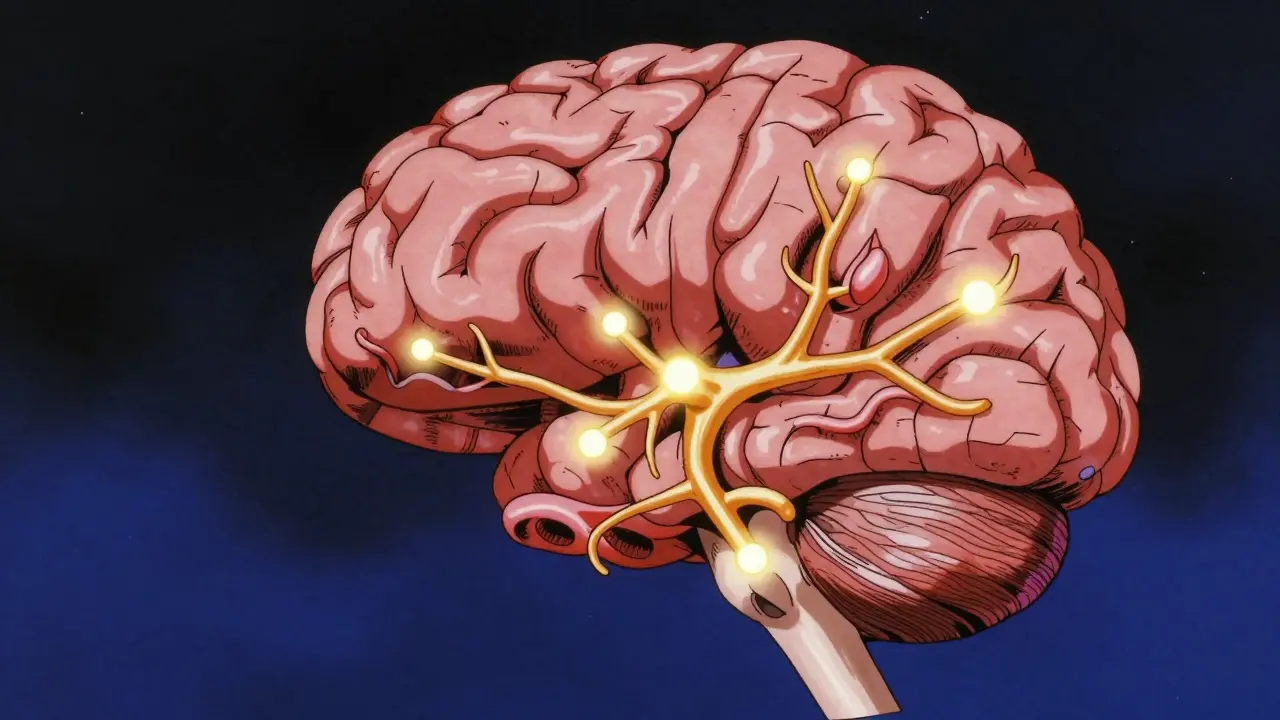
Triptans don't just mask pain; they target the biological machinery of a migraine. They work by mimicking serotonin, binding to specific receptors called 5-HT1B and 5-HT1D. Think of it as a two-pronged attack: first, they stimulate the 5-HT1B receptors to narrow the dilated blood vessels in your brain. Second, they hit the 5-HT1D receptors to stop your nerves from releasing inflammatory chemicals, specifically Calcitonin Gene-Related Peptide a potent vasodilator and neuropeptide that plays a central role in triggering migraine pain (CGRP) and substance P.
Because they work on blood vessel constriction, timing is everything. A common mistake is taking a triptan during the "aura" phase (the visual disturbances or tingling you get before the pain). Research shows that because blood vessels are actually constricted during the aura, taking a vasoconstrictor too early can be counterproductive. The sweet spot is taking the medication right as the pain begins.
Comparing the Different Triptans
Not all triptans are created equal. While they all share the same "-triptan" suffix, they differ in how fast they work and how long they stay in your system. For instance, if you struggle with migraines that keep coming back, you might prefer one with a longer half-life. On the other hand, if you need a fast hit to get through a workday, a high-bioavailability option is better.
| Medication | Typical Brand | Half-Life | Key Characteristic |
|---|---|---|---|
| Sumatriptan | Imitrex | 2 Hours | The original; available in multiple forms. |
| Rizatriptan | Maxalt | 2-2.5 Hours | High bioavailability; fast onset. |
| Zolmitriptan | Zomig | 2.5-3 Hours | Effective nasal spray options. |
| Naratriptan | Amerge | 6 Hours | Slower onset but lasts longer. |
| Frovatriptan | Frova | 26 Hours | Longest duration; best for multi-day attacks. |
Critical Contraindications: Who Should Avoid Triptans?
Because triptans constrict blood vessels, they can be dangerous for people who already have issues with blood flow. If you have a history of heart disease or stroke, triptans are generally a no-go. Specifically, these medications are contraindicated for anyone with ischemic heart disease, a history of myocardial infarction (heart attack), or uncontrolled hypertension. In these cases, the risk of causing a coronary artery spasm is too high.
Severe liver impairment is another red flag, as the liver processes these drugs. If your liver isn't functioning properly, the medication can build up to toxic levels in your bloodstream. Always be honest with your doctor about your cardiovascular history, as the risk isn't just theoretical-it's a matter of safety.
The Risk of Serotonin Syndrome and Drug Interactions
Since triptans increase serotonin activity in the brain, combining them with other drugs that do the same can lead to a rare but serious condition called Serotonin Syndrome a potentially life-threatening condition caused by excessive accumulation of serotonin in the body . This is most common when triptans are paired with SSRIs Selective Serotonin Reuptake Inhibitors, a common class of antidepressants or SNRIs Serotonin-Norepinephrine Reuptake Inhibitors .
While documented cases are rare, the risk is real. Symptoms usually start with agitation, shivering, and sweating, and can progress to muscle rigidity and high fever. If you're on a daily antidepressant, don't panic, but do keep a close eye on how you feel after taking a triptan and report any unusual neurological symptoms to your provider immediately.
Understanding the Limitations and "Triptan Failure"
It's frustrating to take a pill and find it does absolutely nothing. About 20% of migraine sufferers are complete non-responders to all triptans. However, if one specific brand fails you, don't give up on the whole class yet. Many people find that they respond to one triptan but not another due to genetic differences in how their receptors are shaped.
Another major limitation is Cutaneous Allodynia a condition where normally non-painful stimuli, like a light touch or brushing hair, become painful during a migraine . If you find that your skin feels bruised or sensitive during an attack, triptans are significantly less effective. Success rates drop from around 70-80% in people without this sensitivity to only 30-40% for those who have it.

Avoiding the Medication Overuse Headache Trap
There is a paradox with migraine meds: the more you use them to stop the pain, the more frequent the headaches can become. This is called a medication overuse headache (MOH), or "rebound headache." It happens when the brain becomes sensitized to the medication, triggering a new headache as the drug wears off.
To avoid this, stick to the International Headache Society guidelines: do not take any triptan more than two days per week. If you find yourself needing them more often, it's time to talk to your doctor about preventative medications rather than just acute treatments. Using triptans as a daily crutch is a recipe for a permanent cycle of pain.
What Comes After Triptans?
For those who can't take triptans due to heart issues or simply don't respond to them, newer options are emerging. Gepants CGRP receptor antagonists that block the receptor rather than stimulating it and Ditans 5-HT1F receptor agonists that do not cause vasoconstriction (like lasmiditan) provide a safer alternative for cardiovascular patients because they don't constrict blood vessels.
Some people also find success with combination therapy. Pairing a triptan with an NSAID (like naproxen) can be more effective than either drug alone. For example, a combination of sumatriptan and naproxen has shown a higher pain-free rate at two hours compared to using sumatriptan by itself, as it attacks the pain from two different biological pathways.
Why did my triptan work before but not now?
This could be due to several factors. First, if you're taking it later in the attack, it's less likely to work. Second, if you've developed cutaneous allodynia (skin sensitivity), the drug's efficacy drops. Finally, you might be experiencing medication overuse headache, which makes your brain more resistant to acute treatments.
Are the chest tightness feelings from triptans dangerous?
Between 5-7% of users report chest or throat tightness. While often a harmless side effect of the blood vessel constriction, it can be scary. However, if you have a history of heart disease, this should be treated as a serious warning sign. Always consult your doctor to ensure your heart is healthy enough for this class of medication.
Can I switch between different triptans for the same migraine?
Generally, you should follow the dosing limit of no more than two doses per 24 hours. While you can switch triptans between different attacks to see which works best, mixing different triptans within the same 24-hour window should only be done under a doctor's strict guidance to avoid over-stimulating serotonin receptors.
Do triptans cause dependency?
Triptans are not addictive in the way opioids are, but they can cause a physical dependency in the form of rebound headaches. If you use them too frequently, your brain may trigger a headache specifically because the medication has worn off, creating a cycle of dependence.
Which triptan is the fastest acting?
Rizatriptan generally has higher systemic bioavailability (around 40-45%) compared to sumatriptan (14-15%), which often leads to faster relief. Additionally, nasal sprays like zolmitriptan are often preferred by those who experience nausea or vomiting during migraines, as they bypass the digestive system entirely.
Next Steps and Troubleshooting
- If you're a first-timer: Start with the lowest effective dose. Track your "time to dose" (how many minutes after pain starts) to see if timing is your main barrier to relief.
- If you have cardiovascular risks: Avoid triptans entirely. Ask your doctor about "Ditans" or "Gepants," which target the same pathways without constricting your arteries.
- If you're experiencing "Rebound Headaches": Implement a "washout" period where you limit acute meds and focus on preventative therapy (like beta-blockers or CGRP inhibitors) to stabilize your brain's threshold.
- If one triptan failed: Don't assume they all will. Discuss switching to a different triptan with a different pharmacokinetic profile (e.g., switching from sumatriptan to frovatriptan for longer-lasting relief).