
Linezolid Tyramine Food Checker
Check if Your Food is Safe
Enter any food item to see if it's safe to eat while taking linezolid. Remember: You must avoid tyramine-rich foods for 14 days after your last dose.
Safe Foods
• Fresh dairy (milk, cottage cheese, yogurt)
• Fresh chicken, fish, eggs
• Fresh vegetables, rice, pasta
• Fresh fruits (avoid overripe bananas)
• Bottled beer (low tyramine)
• Clear spirits (vodka, gin)
Common High-Tyramine Foods
• Aged cheeses (blue cheese, cheddar)
• Fermented soy products (soy sauce, miso)
• Cured/smoked meats (pepperoni, salami)
• Red wine, draft beer
• Overripe fruits
• Yeast extracts (Marmite)
When you’re prescribed linezolid, you’re being given a powerful tool to fight some of the toughest bacterial infections-MRSA, VRE, and other drug-resistant bugs. But here’s the part no one tells you until it’s too late: linezolid can turn your dinner into a medical emergency.
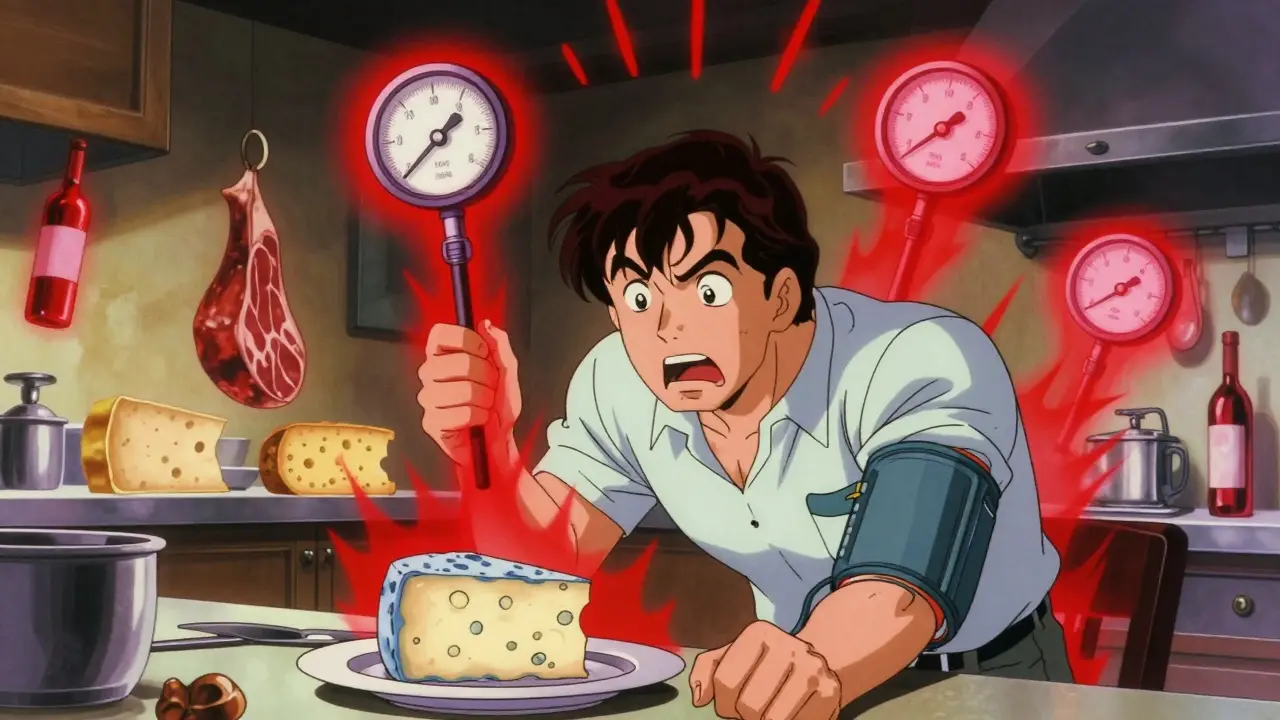
This antibiotic isn’t just killing bacteria. It’s also quietly blocking your body’s ability to break down tyramine, a naturally occurring compound found in aged, fermented, and spoiled foods. Without that breakdown, tyramine floods your bloodstream and triggers a sudden, dangerous spike in blood pressure. We’re talking systolic readings over 200 mmHg-levels that can cause stroke, heart attack, or organ damage. And it doesn’t take much. One slice of blue cheese, a glass of red wine, or a bite of pepperoni can be enough.
Why Linezolid Is Different From Other Antibiotics
Most antibiotics target bacteria directly. Linezolid does too-but it also has a side effect most don’t: it inhibits monoamine oxidase (MAO), the enzyme your liver uses to clear tyramine from your blood. This isn’t a minor footnote. It’s a core part of how the drug works-and why it’s so dangerous if you’re not careful.
Linezolid was approved by the FDA in 2000 to treat infections that other drugs couldn’t touch. It’s a lifesaver in hospitals. But unlike penicillin or ciprofloxacin, which you can take with your morning coffee and scrambled eggs, linezolid demands strict rules. The FDA, Infectious Diseases Society of America, and major medical centers all agree: you cannot eat certain foods while on this drug.
What makes linezolid especially tricky is that it’s not a full-strength MAO inhibitor like the old antidepressants (phenelzine, tranylcypromine). Those require lifelong dietary bans. Linezolid’s effect is weaker-but still strong enough to cause real harm. Studies show it produces about 85% of the tyramine pressor response seen with dedicated MAO inhibitors. In plain terms: if you ate aged cheese while on phenelzine, you’d likely have a crisis. Do the same on linezolid, and you’re still at serious risk.
The Foods That Can Trigger a Hypertensive Crisis
Not all foods are equal. Tyramine builds up in foods that are aged, fermented, spoiled, or improperly stored. Here’s what you need to avoid while taking linezolid-and for two weeks after you stop:
- Aged cheeses: Blue cheese, cheddar, Swiss, parmesan, brie, camembert. One ounce of aged cheddar can contain 150mg of tyramine-well over the 100mg safety threshold.
- Fermented soy products: Soy sauce, miso, tempeh, tofu that’s been fermented or aged.
- Dried, cured, or smoked meats: Pepperoni, salami, summer sausage, corned beef, liverwurst. Even a few bites can be risky.
- Tap beer and draft beer: These contain 100-200mg of tyramine per 100ml. Bottled beer is safer, but still check labels.
- Red wine: Especially unrefrigerated or old bottles. Can range from 5 to 100mg per 100ml.
- Overripe or spoiled fruits: Bananas, avocados, figs, and raisins that are past their prime can accumulate tyramine.
- Yeast extracts: Marmite, Vegemite, and similar spreads.
- Leftovers older than 24 hours: Especially meat and dairy. Tyramine levels rise as food sits.
There’s no gray area here. If it’s aged, fermented, or sitting in your fridge for more than a day, assume it’s unsafe. And don’t rely on taste. Aged cheese doesn’t always taste “strong” to everyone-but it still has enough tyramine to trigger a crisis.
What Happens When You Eat Tyramine on Linezolid
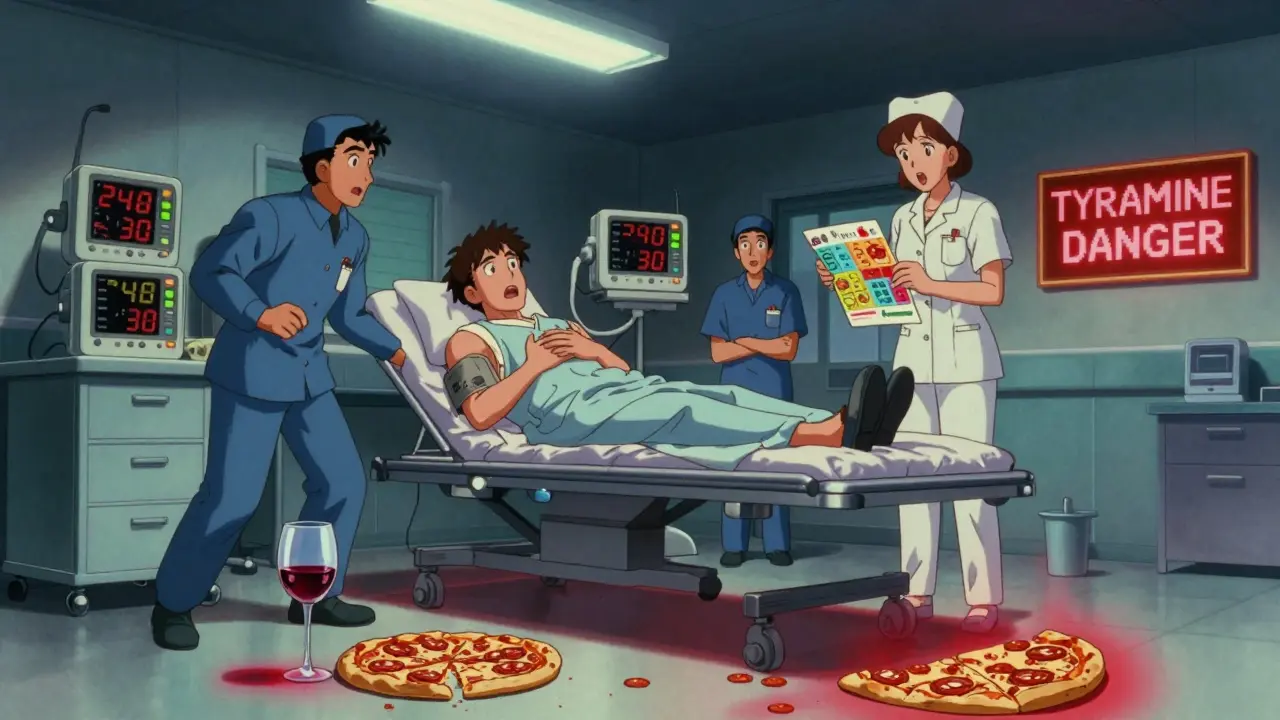
Imagine your blood pressure suddenly climbing from 120/80 to 210/130 in under an hour. You get a pounding headache. Your vision blurs. You feel nauseous. Your chest tightens. You might even feel like you’re having a heart attack.
This isn’t hypothetical. Between 2018 and 2023, the FDA recorded over 1,200 adverse events linked to linezolid and high blood pressure. A 2021 study in the Journal of Antimicrobial Chemotherapy found 17 cases of hypertensive crises in patients on linezolid. Over 60% of them ended up in the ICU. One patient’s systolic pressure hit 248 mmHg-higher than most emergency room patients ever see.
One real case from a hospital in Seattle (reported in PMC10695612) involved a 68-year-old man who ate a slice of aged cheddar while on linezolid. His blood pressure spiked to 190/125. He was given nifedipine to lower it, but the pressure kept climbing. Only after stopping linezolid did his numbers begin to drop-26 days later, they were normal. He had no prior history of high blood pressure. He was just eating cheese.
The problem? Many patients don’t know they’re at risk. A 2022 study found that only 44% of people prescribed linezolid received written dietary instructions. Nurses and pharmacists often assume the doctor explained it. Doctors assume the nurse did. And patients? They assume antibiotics are like vitamins-take it, feel better, eat whatever you want.
How Long Do You Need to Avoid These Foods?
You don’t need to avoid tyramine forever. But you can’t be sloppy about timing.
Linezolid’s MAO inhibition is reversible. That means your body can recover. But not instantly. After you stop taking the drug, it takes 5 to 7 days for your MAO enzymes to fully regenerate. For safety, guidelines now recommend avoiding high-tyramine foods for 14 days after your last dose.
Some hospitals, like UCSF, even advise starting the diet 24 hours before your first dose. Why? Because even a small amount of tyramine in your system when you start linezolid can be the spark that ignites the crisis.
And here’s the catch: if you’re on linezolid for 2 weeks, you’re looking at a full month of dietary restrictions. That’s not easy. But it’s safer than ending up in the ICU.
What About Other Medications?
Linezolid doesn’t just clash with cheese. It can also interact dangerously with common over-the-counter and prescription drugs.
- Decongestants: Pseudoephedrine (Sudafed), phenylephrine-can cause sudden, severe high blood pressure.
- Antidepressants: SSRIs like sertraline, SNRIs like venlafaxine, even St. John’s Wort-risk of serotonin syndrome (agitation, confusion, rapid heart rate, fever).
- Migraine meds: Triptans like sumatriptan can trigger serotonin syndrome when combined with linezolid.
- Stimulants: ADHD meds like Adderall or Ritalin-can push blood pressure into dangerous territory.
- Dopamine agonists: Used for Parkinson’s-can cause extreme hypertension.
If you’re on any of these, tell your doctor before starting linezolid. Don’t assume they know. Bring your pill bottle. List every supplement. Even herbal teas can interact.
What If You Accidentally Eat Something Risky?
If you realize you ate aged cheese, smoked meat, or drank draft beer while on linezolid, don’t panic-but don’t ignore it either.
Monitor your blood pressure. If you have a home monitor, check it immediately. If you don’t have one, go to an urgent care or ER. Symptoms to watch for:
- Sudden, severe headache
- Blurred vision
- Chest pain or tightness
- Palpitations or racing heart
- Nausea, vomiting, sweating
- Confusion or anxiety
If you have any of these, call 911 or go to the ER. Do not wait. This isn’t a “wait and see” situation. Hypertensive crises can kill within hours.
Even if you feel fine, notify your pharmacist or doctor. They may want to monitor you for 24-48 hours. Some hospitals have protocols for this exact scenario.
How to Stay Safe: Practical Tips
Managing this isn’t about perfection-it’s about awareness and simple habits.
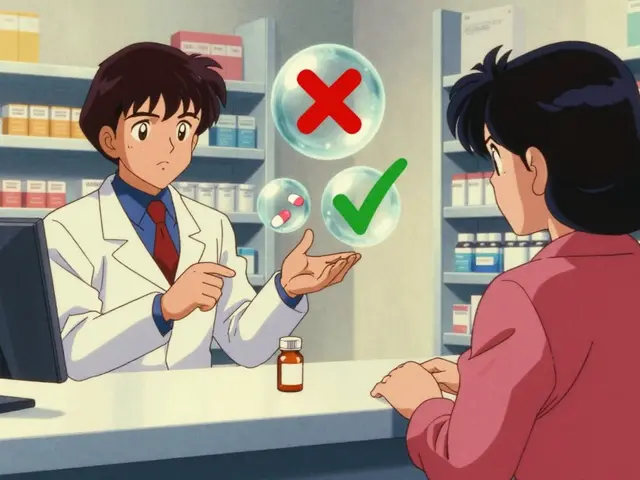
- Ask for a food list: Request a printed handout from your pharmacist. Most hospitals have one.
- Use a food app: Apps like MyFitnessPal or Cronometer can show tyramine content for common foods.
- Stick to fresh: Fresh chicken, fish, eggs, vegetables, rice, pasta, and fresh dairy (milk, cottage cheese, yogurt) are safe.
- Check expiration dates: Don’t eat anything that’s past its prime. Tyramine builds up over time.
- Ask before eating out: Tell servers you’re on a strict diet due to medication. Avoid anything fermented, aged, or smoked.
- Keep a log: Write down everything you eat for the first few days. You’ll start recognizing risky foods.
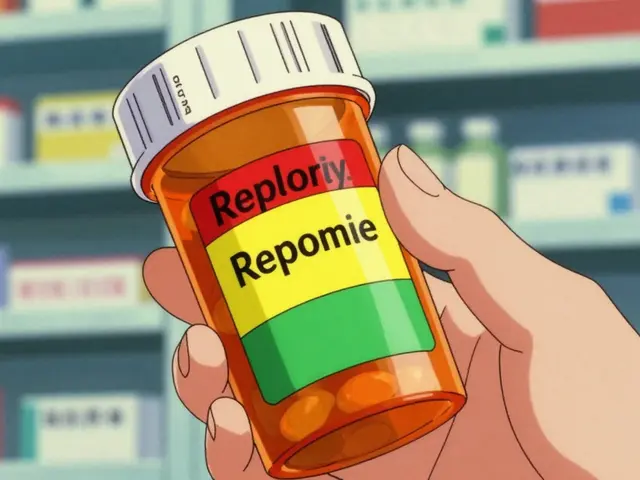
One hospital in Oregon started giving patients color-coded food cards: green = safe, yellow = use caution, red = avoid. Patients who used them had 73% fewer dietary violations.
The Bigger Picture: Why This Matters
Linezolid is becoming more common as antibiotic resistance grows. In 2023, global sales hit $1.27 billion. Generic versions are cheaper now-around $300 per course-but the risk hasn’t changed.
Doctors are starting to notice how often this interaction is missed. The 2024 IDSA guidelines now recommend checking blood pressure before and during linezolid therapy-especially in patients with existing hypertension. Some hospitals are building automated alerts into their electronic records to flag tyramine-rich foods when linezolid is prescribed.
But the real solution? Education. Not just for patients-but for doctors, nurses, and pharmacists too. A 2023 survey found that only 59% of internal medicine residents could correctly list all major tyramine-containing foods.
And there’s hope on the horizon. A new antibiotic called contezolid is in Phase III trials and doesn’t inhibit MAO. If approved in 2025, it could replace linezolid in many cases. But until then, we’re stuck with a powerful drug that demands respect.
Frequently Asked Questions
Can I drink alcohol while taking linezolid?
Avoid all alcohol, especially red wine, tap beer, and draft beer. These contain tyramine and can trigger a hypertensive crisis. Even small amounts of alcohol can interact with linezolid and raise your blood pressure. Bottled beer and clear spirits like vodka or gin are lower risk, but it’s safest to avoid alcohol entirely while on this drug and for two weeks after.
Is it safe to eat aged cheese if I only have a small bite?
No. Even a small amount of aged cheese-like one ounce of blue cheese-can contain over 900mg of tyramine, far above the 100mg safety threshold. Linezolid’s effect on MAO is unpredictable. Some people react to tiny amounts; others don’t. There’s no way to know who’s at risk. The only safe choice is to avoid it completely.
How long after stopping linezolid can I eat tyramine-rich foods again?
Wait at least 14 days after your last dose. Linezolid’s effects on MAO enzymes can linger for up to 7 days, and it takes time for your body to fully recover. Waiting two weeks eliminates any risk of a delayed reaction. Don’t rely on how you feel-your blood pressure could still be vulnerable.
Can I take over-the-counter cold medicine with linezolid?
No. Many cold and sinus medications contain pseudoephedrine or phenylephrine, which can cause dangerous spikes in blood pressure when combined with linezolid. Look for products labeled “non-drowsy” or “decongestant-free.” Always check with your pharmacist before taking any OTC medication.
What if I forget and eat something risky-should I stop taking linezolid?
Do not stop linezolid on your own. Stopping antibiotics early can lead to antibiotic resistance or treatment failure. Instead, monitor your blood pressure and contact your doctor immediately. They may want you to come in for evaluation or adjust your treatment plan. Never discontinue a prescribed antibiotic without medical advice.
What Comes Next
If you’re on linezolid, your biggest threat isn’t the infection-it’s the food on your plate. This isn’t about being paranoid. It’s about survival.
Every year, people die from this interaction because they didn’t know. Or they thought, “It’s just a little cheese.” But that little cheese can be the difference between going home and ending up in the ICU.
Take the time to learn the list. Ask your pharmacist for a handout. Show your family. Write it on your fridge. You’re not just taking a pill-you’re managing a serious, life-altering interaction. Do it right, and you’ll beat the infection without another hospital visit.

Brandon Boyd
December 31, 2025 AT 17:59Just got prescribed linezolid last week and I was totally clueless until I saw this post. Holy crap. I was about to grab a slice of blue cheese pizza for dinner. Thanks for the wake-up call. I’m switching to mozzarella and keeping it fresh.
John Chapman
January 2, 2026 AT 07:26OMG YES 🚨 I work in a pharmacy and I’ve seen THREE people end up in the ER over this. One guy ate pepperoni on his pizza and his BP hit 220. He didn’t even know linezolid was an MAOI. People need to READ the damn pamphlet. 🙏
Urvi Patel
January 2, 2026 AT 11:29Why are we still using this dangerous relic when there are better alternatives? Linezolid is basically medieval medicine with a modern label. If your infection can’t be treated without risking a hypertensive crisis then maybe you shouldn’t be taking antibiotics at all. The whole system is broken
Joy Nickles
January 3, 2026 AT 09:06ok so i just read this and like… i totally ate a bag of vegemite toast yesterday and im on linezolid?? is it too late?? i feel fine but my head is kinda pounding?? also i had a glass of red wine last night?? am i gonna die?? someone please tell me i’m not gonna die??
Emma Hooper
January 3, 2026 AT 21:04Y’all are acting like this is some new secret. I’ve been a nurse for 18 years and every single time someone gets linezolid, I hand them a laminated card with the food list. If you didn’t get one, your provider dropped the ball. But also-don’t be a hero. If you eat blue cheese and feel like your eyeballs are gonna burst? Go to the ER. No shame. I’ve seen people try to tough it out and end up in the ICU with a stroke. Just don’t.
Martin Viau
January 4, 2026 AT 23:36Canada’s been doing this right since 2005. We have mandatory pharmacist counseling + automated EHR flags. In the US, you’re just expected to Google it? Pathetic. We don’t let people drive cars without a license-why are we letting them take MAOIs without a 30-minute briefing? This isn’t healthcare. It’s Russian roulette with cheese.
Aaron Bales
January 5, 2026 AT 11:43Stick to fresh meat, eggs, milk, rice, and veggies. Avoid anything that’s been sitting or fermented. If you’re unsure, don’t eat it. Simple as that.
Lawver Stanton
January 7, 2026 AT 00:38I’m just sitting here wondering how many people have died from this and nobody told them. Like… imagine you’re just eating your favorite sandwich, thinking you’re fine, and then your brain feels like it’s going to explode. No warning. No second chance. And the worst part? The system doesn’t care. Doctors are rushed. Nurses are overwhelmed. Pharmacists are understaffed. You’re just a number on a chart until you’re in the ICU with a 248 systolic. This isn’t medical advice-it’s a survival guide for a broken system.
Sara Stinnett
January 8, 2026 AT 05:17It’s fascinating how society treats pharmaceuticals as if they’re benign, like candy. We’ve normalized risk. We’ve normalized ignorance. We’ve normalized the idea that ‘a little bit won’t hurt.’ But biology doesn’t negotiate. Tyramine doesn’t care if you’re ‘just having one bite.’ The enzyme inhibition is binary. Either it’s blocked or it isn’t. And when it is? You become a walking time bomb. This isn’t about diet. It’s about humility. We are not above biochemistry.
linda permata sari
January 8, 2026 AT 13:17In Indonesia, we ferment soy for weeks to make tempeh. My grandma used to say, ‘If it’s alive, it’s medicine.’ But now I know… some medicines kill you if you eat them wrong. I’m going to stop eating my favorite tempeh stir-fry for two weeks. Worth it. My family is safe.
Branden Temew
January 8, 2026 AT 20:12So we’re told to avoid cheese, wine, and cured meats… but we’re also told to ‘eat healthy.’ So what’s healthy? If I eat fresh food, I’m boring. If I eat flavorful food, I might die. Is the real message that modern life is incompatible with survival? Maybe we’re not meant to live long enough to need antibiotics like this. Just a thought.
Frank SSS
January 9, 2026 AT 14:03Just got back from the ER. I ate a slice of aged cheddar and felt like I was being stabbed in the head. My BP was 205/110. They gave me nifedipine, said I was lucky I didn’t have a stroke. My doctor didn’t warn me. My pharmacist didn’t warn me. My mom, who’s a retired RN, didn’t even know. This isn’t just negligence. It’s systemic betrayal. I’m not mad-I’m just… hollow.