

Statin Muscle Symptom Checker
This tool helps you distinguish between normal soreness and signs requiring immediate attention based on clinical presentation guidelines.
...
Recommended Next Steps:
You start a medication designed to save your life, prevent a heart attack, and lower your risk of stroke. Then, your muscles start to ache. It sounds impossible-why would a heart drug hurt your legs? Yet, this is the frustrating reality for millions of people taking Statins. This class of drugs is the gold standard for managing cholesterol, but they come with a well-known shadow called statin-associated muscle symptoms (SAMS). It’s a complex issue that sits right at the intersection of biochemistry and daily living.
If you’ve ever stopped taking your cholesterol medicine because your body felt wrong, you aren't alone. We’re going to look at the mechanics of why this happens, how to distinguish normal soreness from serious damage, and what actually works when the pain won't go away. By 2026, our understanding of the cellular pathways involved has improved significantly, giving us better tools to navigate these decisions without guessing in the dark.
The Biology Behind the Pain
To understand why
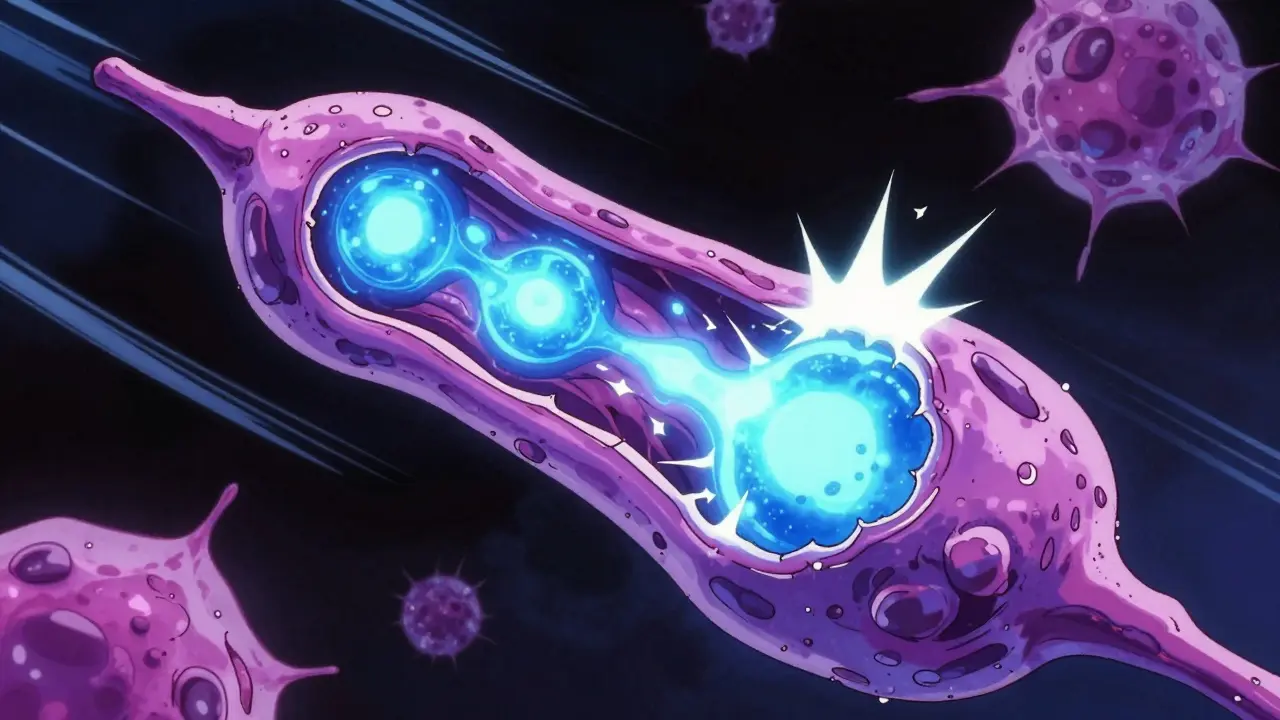
The primary culprit appears to be calcium regulation. Inside your muscle fibersskeletal muscle, there are channels that control calcium release to help muscles contract and relax. These channels are called Ryanodine Receptors (RyR1). Normally, a stabilizing protein holds these receptors together. When you take certain statins, they can cause this stabilizer to let go. When the stabilizer lets go, calcium leaks out uncontrollably.
This leak triggers a chain reaction. Think of calcium like water in a pipe; when the valve breaks, pressure builds up. In your muscle cell, this excess calcium activates enzymes that are meant to digest proteins, including the structural parts of the muscle itself. This process creates what researchers call "calcium sparks." If these sparks happen too often, they trigger the cell to self-destruct, which we perceive as pain, inflammation, and eventually tissue breakdown.
Another major pathway involves an essential compound called Coenzyme Q10 (CoQ10). Your body makes CoQ10 through the same pathway used to make cholesterol. Since statins block that pathway to stop cholesterol creation, they inadvertently lower CoQ10 levels in the muscle. CoQ10 is vital for generating energy. When your muscle cells are low on fuel, they fatigue easily and become more susceptible to oxidative stress. While experts debate how much weight CoQ10 depletion carries compared to calcium leaks, the correlation is strong enough that many patients report significant relief when supplementing.
A rarer but severe form of this disorder involves the immune system. In some cases, the body recognizes the enzyme targeted by the statin (HMG-CoA reductase) as a foreign invader. The immune system starts creating antibodies against your own muscles. This is known as Anti-HMGCR Myositis. Unlike typical muscle soreness, this is autoimmune. Even after stopping the statin, the muscle attacks continue unless treated with immunosuppressants.
Recognizing the Warning Signs
Not every twinge means something is permanently wrong. You need to learn the difference between general malaise and clinical myopathy. Most reports indicate that symptoms usually show up within the first six months of starting treatment. Common signs include a deep ache in the thighs, shoulders, or back. Cramps are frequent, and sometimes the pain feels symmetric, happening in both arms or both legs equally.
The most objective measure is blood work involving Creatine Kinase (CK). CK is an enzyme found in heart, brain, and skeletal muscle. When muscle cells break down, they release CK into your bloodstream. Normal levels vary, but typically, a level above ten times the upper limit of normal indicates true myopathy, while levels slightly above normal might just signal irritation. However, you can feel symptoms even with normal CK levels. This disconnect often leads to dismissal of symptoms by healthcare providers who rely solely on the number.
It is also crucial to note that exercise affects these readings. If you run a marathon and then get your blood drawn immediately, your CK will be high regardless of statins. Always tell your doctor if you've engaged in heavy physical activity before a test. Conversely, stopping the drug and seeing if the pain vanishes over two to four weeks is often the most reliable diagnostic tool. If the pain clears up completely, the medication was almost certainly the trigger.
| Clinical Presentation | Typical Symptoms | Action Required |
|---|---|---|
| Mild Symptomatic Intolerance | Vague aching, no weakness, Normal CK | Wait and see, monitor trends |
| Moderate Myopathy | Significant pain, limited mobility, Mildly elevated CK | Dose reduction or switch statin |
| Severe Myopathy / Rhabdomyolysis | Pain, dark urine, profound weakness, CK >10x Normal | Stop drug immediately, hospital monitoring |
Strategies for Management
If you experience muscle pain, throwing away the pill bottle isn't always necessary. Many patients can still benefit from heart protection once we adjust the strategy. The American College of Cardiology suggests a structured approach that prioritizes keeping the patient on lipid-lowering therapy if possible.
First, try a washout. Stop the medication for a few weeks. If symptoms resolve, restart at half the dose. Lower doses reduce the intensity of the biochemical disruption in muscle tissue while often maintaining acceptable cholesterol-lowering benefits. If a low dose works well, stick with it. Sometimes the liver needs a higher dosage to clear LDL, but the muscle threshold is lower. Balancing this is part of the shared decision-making process.
If adjusting the dose doesn't work, try switching classes. Not all statins are created equal. They fall into two categories: lipophilic (fat-soluble) and hydrophilic (water-soluble). Lipophilic versions, such as simvastatin and atorvastatin, enter muscle cells more easily. Hydrophilic versions, like pravastatin and rosuvastatin, stay largely in the liver. Patients who react badly to one often tolerate another much better. A 2023 consensus highlighted that approximately 40% of patients who failed one statin could successfully tolerate a different one.
Coenzyme Q10 Supplementation remains a popular adjunctive therapy. While studies have been mixed on its efficacy across the board, anecdotal evidence in specific subgroups is strong. Taking 200 mg per day has shown promise in reducing perceived muscle pain scores. It helps support mitochondrial function, which compensates for the blockade caused by the drug.
Movement plays a counter-intuitive role. You might think rest fixes everything, but recent data shows moderate aerobic exercise helps reset the calcium channels mentioned earlier. Regular physical activity increases the stability of the RyR1 channel. A routine of 150 minutes of moderate activity per week has been linked to reduced symptom severity in statin users. The mechanism suggests that fitness conditions the muscle to handle metabolic stress better, making it less reactive to the drug.
Alternatives When Statins Fail
For the percentage of patients who simply cannot tolerate any statin, other powerful options exist. The landscape of cholesterol management changed dramatically with the introduction of non-statin therapies that spare the muscle entirely. One prominent option is Ezetimibe.
Ezetimibe works differently than statins. Instead of blocking production in the liver, it blocks the absorption of cholesterol in the gut. It generally lowers LDL by about 18% to 20%. While not as potent as high-dose statins, combining it with a low-dose statin can provide the benefit of both worlds with fewer side effects. This combination strategy allows you to get a stronger reduction in cholesterol numbers without pushing the statin to toxic levels.
When aggressive lowering is needed, PCSK9 Inhibitors represent the heavy artillery. Drugs like evolocumab and alirocumab target a protein that recycles LDL receptors. With newer formulations, you inject these every three months rather than weekly. Clinical trials showed extremely low rates of muscle-related adverse events with these agents-comparable to placebo. While insurance coverage can be tricky, for high-risk patients with family histories of heart disease, these are often medically necessary and covered under pre-approved formularies.
Newer developments in 2024 and 2025 brought hope for more targeted solutions. Researchers are working on selective inhibitors that penetrate the liver highly but are pumped out of muscle cells almost immediately. Phase II trials are showing promising results for drugs that block the enzyme with minimal spill-over into muscle tissue. These next-generation formulations aim to separate the cardiovascular benefit from the myopathic risk entirely.

Troubleshooting Your Treatment Plan
It can be scary to admit you aren't feeling right on a prescription, but ignoring it is dangerous. High cholesterol damages arteries silently, and muscle damage is visible and painful. If you are reading this and deciding whether to call your doctor, here is a quick checklist of questions to ask yourself:
- Did the pain start shortly after beginning or increasing the dose?
- Is the pain symmetrical (both sides)?
- Does rest alleviate the discomfort temporarily?
- Have you ruled out vitamin D deficiency, which is common and causes similar muscle symptoms?
Vitamin D deficiency is a critical differential diagnosis. Low Vitamin D mimics statin myopathy perfectly. Before concluding the drug is the enemy, check your 25-hydroxyvitamin D levels. Correcting a deficiency often resolves the confusion and eliminates the need to change cardiac medications. This simple step prevents unnecessary trial-and-error with expensive alternatives.
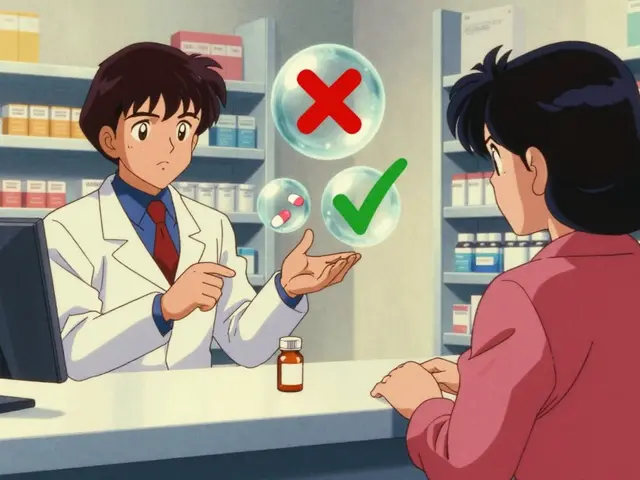
Furthermore, consider drug interactions. Some antibiotics, antifungal medications, and even grapefruit juice inhibit the metabolism of statins, causing levels to spike unexpectedly. Review your full medication list with a pharmacist. If you are taking a fibrate alongside a statin, the risk of muscle damage increases substantially. Fibrates and statins combined require careful monitoring or switching to fenofibrate, which has a safer profile than gemfibrozil.
Frequently Asked Questions
Can statins cause permanent muscle damage?
In the vast majority of cases, no. Stopping the medication usually allows muscle function to return to baseline within a few weeks. Permanent damage is rare and usually reserved for severe cases of rhabdomyolysis or untreated autoimmune forms of myositis where the immune system continues attacking muscle tissue after cessation.
What if I am intolerant to all statins?
You have effective alternatives. Options include ezetimibe, bile acid sequestrants, and PCSK9 inhibitors. Additionally, Bempedoic acid is a newer oral option that bypasses the rate-limiting step in muscle that causes toxicity, targeting instead a downstream pathway exclusively active in the liver.
How quickly should I see a doctor if I feel muscle pain?
Seek immediate medical attention if you experience dark urine, extreme weakness, or fever along with the pain. For mild, dull aches, schedule a routine appointment to discuss testing, as urgent care is not typically required unless rhabdomyolysis is suspected.
Does exercise make statin myopathy worse?
No. Contrary to intuition, regular moderate exercise improves the stability of muscle channels and reduces the frequency of calcium leaks. Over-exercising to failure can worsen symptoms, but standard cardio routines are protective rather than harmful.
Are some statins safer than others?
Yes. Water-soluble (hydrophilic) statins like pravastatin and rosuvastatin are less likely to accumulate in muscle tissue compared to fat-soluble (lipophilic) statins like simvastatin and atorvastatin. If you experience symptoms, switching to a hydrophilic version is often the first successful intervention.
Managing the interplay between heart health and muscle comfort requires patience. The goal is lifelong protection, not just today's comfort. With the advances in alternative therapies and a better understanding of the biological mechanisms behind myopathy, you no longer have to suffer in silence. Armed with these facts, you can advocate for a regimen that protects your heart without compromising your strength.



tyler lamarre
March 27, 2026 AT 02:59The average person lacks the nuance to understand these biochemical pathways properly. It is amusing how many believe supplementation fixes the root cause entirely without addressing the genetic predisposition. Most individuals simply take what the doctor hands them without questioning the lipid profiles involved. They ignore the fact that calcium regulation is far more complex than a simple leak. One must educate themselves before relying on anecdotal evidence alone. The distinction between mild intolerance and severe myositis is often lost on the general public. We expect miracles from hydrophilic switches while ignoring the systemic inflammation markers. Knowledge separates the informed patient from the passive participant in healthcare.
Rohan Kumar
March 27, 2026 AT 17:20Oh please tell me you aren't buying into the mainstream narrative 💉😂. The big pharma wants you on these meds forever regardless of the pain. Calcium leaks? Sounds like a way to hide what the chemical cocktails are really doing 🙄. People get brainwashed into thinking pills are the only solution ever. I've seen docs push them even when CK is borderline high. Don't let the system fool you into thinking this is natural physiology 👁️🗨️. Just another conspiracy to keep bodies dependent on synthetic chemicals 🤷♂️.
Tony Yorke
March 28, 2026 AT 04:24great stuff here everyone should read this
Monique Ball
March 28, 2026 AT 09:12This article really opened my eyes up to the science behind why we feel so tired sometimes! I used to think it was just stress until I read about the calcium leaks mentioned here. It makes so much sense now that the stabilizing proteins are letting go inside the muscle fibers. I always heard about CoQ10 supplements helping people but never understood the mechanism fully. Knowing that your body makes CoQ10 through the same pathway as cholesterol is fascinating information!!! It is sad that so many people stop their medication when they could just adjust the dosage instead. The part about switching to water-soluble statins gives me hope for those who struggle with pain. My cousin had dark urine once and thought it was dehydration but turned out to be rhabdomyolysis. We need to share this kind of knowledge more broadly across the community for sure. Ignoring symptoms is definitely not the right path for anyone managing their health care routine. It is great to see that exercise can actually help reset the channels rather than making it worse. Most doctors rely too heavily on blood work without listening to how the patient feels daily. Vitamin D deficiency is such a common thing that mimics these exact symptoms perfectly. Checking levels before switching medications saves so much money in the long run honestly!! Thank you so much for writing this comprehensive guide that helps us advocate for ourselves better! 🩺📚 I am going to print this out and bring it to my next appointment with my cardiologist soon! 😊
Aaron Olney
March 30, 2026 AT 09:15OMG this hits hard personally! I know that feeling of leg ache well. Doctors never listen to women somtimes its just dismissed. My knees hurt so bad after taking them too. It feels like the muscles are on fire internally. You cant just pop a pill and ignore the pain signals. We need to speak up louder for our rights. The side effects are scarry to deal with alone. I wish they tested us before starting meds. My life changed for the wose after diagnosis.
Sophie Hallam
March 30, 2026 AT 16:06It is important to recognize that individual tolerance varies significantly across populations. We must approach these discussions with empathy and scientific accuracy. Finding a balance between heart protection and quality of life is the ultimate goal. Listening to the body's feedback loop is essential for long term wellness. Open dialogue between patient and provider yields the best outcomes overall. Respecting the complexity of metabolic processes prevents unnecessary panic.
Rachael Hammond
April 1, 2026 AT 05:26I totally agree that communication is key here. Sometimes we forget to mention vitamin D issues to doctors. It is weird how many folks miss that connection completely. Beleave me, checking levels helps a lot. We should all support each other through the process. It makes things less scary when you understand the biology. Good vibes for everyone figuring out their health journey.
gina macabuhay
April 1, 2026 AT 20:05You people act like the risks are negligible when they clearly are not dangerous. Ignoring the severity of autoimmune reactions is irresponsible behavior at best. Medical professionals know the protocol but patients refuse to follow safety guidelines. It is frustrating to watch ignorance override clear clinical warnings repeatedly. Stop romanticizing the symptoms and demand better testing standards immediately. Your complacency puts lives at risk unnecessarily every single day.
Kameron Hacker
April 3, 2026 AT 10:17A rigorous assessment of the situation is required before passing moral judgment on others' choices. While safety protocols exist, individual variation in physiology complicates universal application of rules. Dismissing the lived experience of patients creates barriers to effective care. A philosophical perspective suggests we must balance risk acceptance with therapeutic benefit. Aggression serves no purpose in fostering a healing environment. Understanding precedes action in any meaningful medical discourse.
Paul Vanderheiden
April 4, 2026 AT 01:31hey friends lets stay positive and find what works for you
Jordan Marx
April 5, 2026 AT 02:48Exactly! We need an inclusive approach to metabolomics and mitochondrial biogenesis optimization. Engaging with the community regarding pharmacogenomic variance helps reduce adverse event rates. Consider the downstream signaling cascades that impact endothelial function during statin therapy. Extroverting your findings through peer support groups validates the subjective symptomology reported. Collaborative management strategies involving interdisciplinary teams maximize therapeutic indices significantly. We must integrate lifestyle modifications that enhance cellular resilience against oxidative stressors. Empowering patients with biochemical literacy fosters better adherence and compliance metrics. Let's maintain momentum on this vital health initiative moving forward together!
Poppy Jackson
April 5, 2026 AT 03:26oh my goodness this is such important information for us all. i cry sometimes when i hear people suffer in silence. nobody should have to choose between heart health and movement ability. its so brave to speak out about these side effects. we have to love ourselves enough to fight for better options. please stay strong my friends on this journey
Jeannette Kwiatkowski Kwiatkowski
April 5, 2026 AT 06:32Sentimentality clouds the analytical rigor required for medical decision making. Emotional appeals distract from the empirical data regarding HMG-CoA reductase inhibition. One must remain detached from the narrative to analyze the toxicology objectively. Your dramatic framing trivializes the statistical probability of myopathy occurrence. We require a cold dissection of the mechanisms not poetic suffering. Rationality demands we prioritize clinical trials over anecdotal testimony.
Austin Oguche
April 6, 2026 AT 17:35Welcome to the discussion on cardiovascular health and metabolic regulation. Please note that cultural contexts influence how side effects are perceived globally. Many regions view muscle discomfort differently depending on local health traditions. Formal guidelines suggest monitoring creatine kinase levels strictly. Friendship and support among communities aid in managing chronic conditions better. Health is a universal priority transcending borders.
Philip Wynkoop
April 8, 2026 AT 11:09thanks for the warm welcome here :) glad to share views