
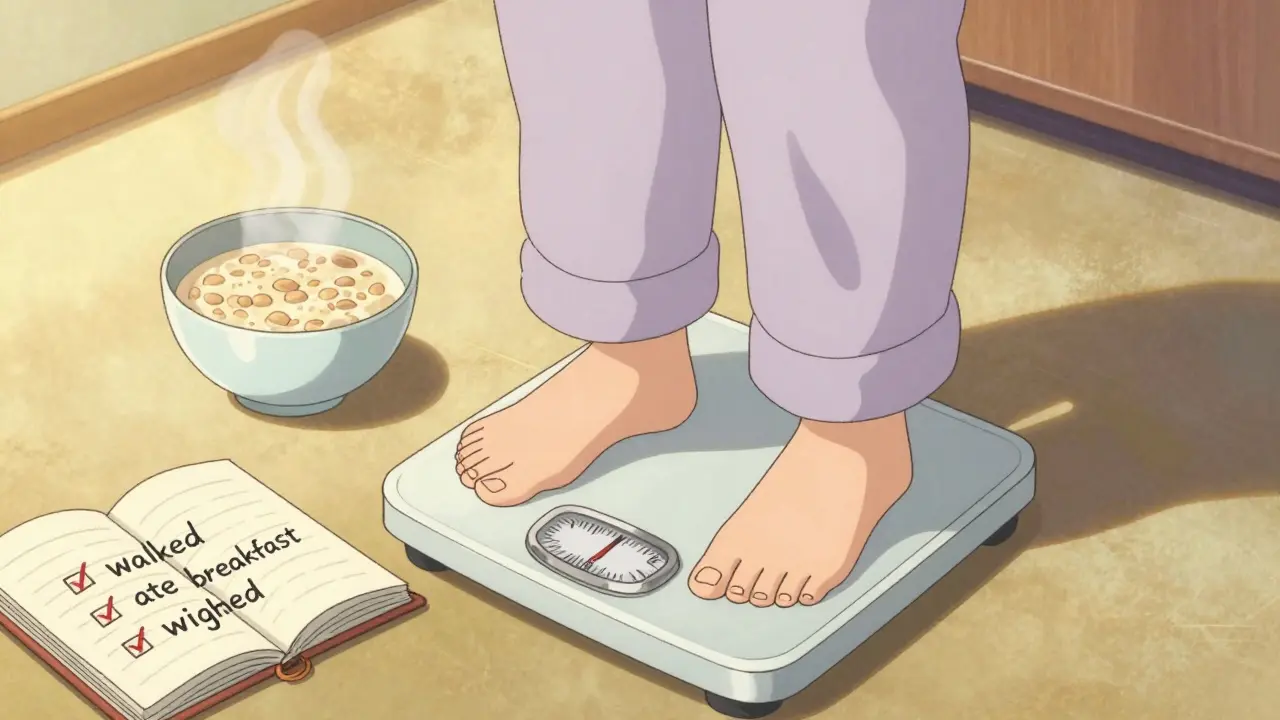
Why Losing Weight Is Easier Than Keeping It Off
You’ve done it. You lost the weight. Maybe it took months. Maybe it took years. You ate less, moved more, stuck to a plan - and now you’re at your goal. But here’s the truth most people don’t tell you: weight maintenance is harder than losing the weight in the first place. And it’s not your fault.
Science shows that after weight loss, your body fights back. Your metabolism slows down. Hormones that make you hungry spike. Your brain starts screaming for food like it’s being starved. A 2016 study found people who lost weight burned 15-25% fewer calories at rest than someone who never lost weight - even when they weighed the same. That’s not laziness. That’s biology.
And it’s not just you. According to a 2022 review of clinical trials, only about 25% of people who lose weight manage to keep it off for more than a year. The rest? They regain it. Not because they gave up. Not because they lacked willpower. But because the system - your body - was designed to protect you from starvation. And weight loss tricks your body into thinking you’re starving.
The National Weight Control Registry: What Successful People Actually Do
There’s a group of people who’ve cracked the code. Since 1994, the National Weight Control Registry has tracked over 10,000 people who lost at least 30 pounds and kept it off for at least a year. They’re not superhumans. They’re regular people. And their habits are surprisingly simple - and repeatable.
- 90.6% exercise regularly - about an hour a day, most days of the week. Not intense workouts. Just consistent movement: walking, cycling, swimming, dancing.
- 78.2% eat breakfast every single day. Not a protein shake. Not a granola bar. A real meal.
- 62.3% weigh themselves at least once a week. Some do it daily.
- 75% watch less than 10 hours of TV per week. Less sitting. More moving.
- They eat around 1,800-2,000 calories a day. Not extreme restriction. Just steady, balanced eating.
There’s no magic diet here. No keto. No intermittent fasting. No detoxes. Just consistency. And the biggest factor? They didn’t wait until they reached their goal to start maintenance. They started it the day they began losing weight.
Stop Thinking of Weight Loss and Maintenance as Two Phases
Most diets treat weight loss and maintenance like separate chapters. Lose first. Then maintain. That’s the problem.
Research shows people start regaining weight the moment their diet ends. A 2018 study found participants in 12-week weight-loss programs began gaining back pounds right after the program concluded. Why? Because they stopped doing the things that kept them on track - tracking food, moving daily, weighing in - and assumed they could just “go back to normal.”
There’s no “normal” after weight loss. Your body doesn’t reset. You don’t get to eat like you did before. You have to build a new normal - one that includes habits that support your new weight.
Think of maintenance not as a phase, but as the new baseline. If you’re eating 1,800 calories a day to stay at your goal weight, that’s not temporary. That’s your life now. Same with movement. Same with weighing yourself. Same with planning meals ahead.

How to Build a Maintenance Routine That Actually Works
Here’s how to turn weight maintenance into a habit - not a chore.
- Step 1: Weigh yourself regularly. At least once a week. Daily is better. A 2021 study found people who weighed themselves four or more times a week were 37% more likely to keep weight off than those who weighed less often. It’s not about obsession. It’s about early detection. A 2-pound gain is easy to fix. A 10-pound gain is a crisis.
- Step 2: Move every day. You don’t need to run marathons. Walk 30 minutes. Take the stairs. Park farther away. Do yard work. The National Weight Control Registry participants burned about 2,800 calories a week through activity - that’s roughly 400 calories a day. Find something you enjoy. If you hate the gym, dance in your kitchen. If you hate walking, try swimming or cycling.
- Step 3: Eat breakfast. Not just any breakfast. A real one. Eggs. Oatmeal. Greek yogurt. Whole grain toast. Skipping breakfast leads to bigger meals later. It’s not magic. It’s blood sugar control.
- Step 4: Plan your meals. 89% of successful maintainers plan ahead. They don’t wait until they’re starving to decide what to eat. They pack lunch. They prep snacks. They know what’s in the fridge. This cuts down on impulsive choices.
- Step 5: Build in flexibility. You will have slip-ups. One bad meal won’t ruin you. But the “all-or-nothing” mindset will. If you eat pizza on Friday, don’t say, “I blew it.” Say, “I’ll get back on track tomorrow.” One study found 67% of people who regained weight did so after one “cheat day” turned into a week of giving up.
What Doesn’t Work (And Why)
Not all advice is created equal. Here are the myths that keep people stuck.
- Myth: You just need to be stronger. No. Your body is biologically wired to regain weight. Blaming yourself doesn’t change that.
- Myth: Once you’re at goal, you can go back to your old eating habits. You can’t. Your metabolism is slower. Your hunger hormones are higher. You need to eat less than you did before you lost weight.
- Myth: Supplements or detoxes help you maintain. There’s zero evidence. The only thing that works is consistent behavior.
- Myth: Commercial programs guarantee success. Programs like WW or Noom can help - and many people find structure useful. But success still depends on what you do after the program ends. Only 66% of WW users maintain weight at 6 months. That means 1 in 3 still regain.
Medications: A Tool, Not a Fix
Drugs like semaglutide (Wegovy) and tirzepatide (Zepbound) are changing the game. In clinical trials, people lost 15-20% of their body weight. But here’s the catch: you have to stay on them. Stop the medication? The weight comes back - fast.
These aren’t magic pills. They’re tools. They help reduce hunger and make it easier to stick to a routine. But they don’t replace behavior. And they’re expensive - over $1,300 a month without insurance. Plus, side effects like nausea and fatigue can be tough.
For some people, these medications are life-changing. For others, they’re not an option. Either way, they’re not a replacement for building sustainable habits. They’re a support system - like a crutch you might need for a while, but you still have to learn to walk on your own.

How to Handle the Holidays, Vacations, and Life
Life doesn’t pause for weight maintenance. Holidays, travel, stress - they all come. And they’re dangerous.
Studies show people gain 0.8-1.2 kg between Thanksgiving and New Year’s. Over a two-week vacation? Average gain is 1.5 kg. That’s not a lot - but it adds up. And most people don’t lose it back.
Here’s how to survive without derailing:
- Plan ahead. Know what meals are coming. Eat a protein-rich snack before a party.
- Don’t fast before a big meal. That leads to overeating.
- Move. Even if you can’t hit the gym, walk after dinner. Take stairs. Dance.
- Don’t weigh yourself the day after a holiday. Wait 2-3 days. Your body is holding water. The scale will lie.
- Have a “slip plan.” What will you do if you overeat? Will you skip the next meal? No. Will you eat lighter the next day? Yes. Will you move more? Yes. Have your plan ready before the event.
It’s Not About Perfection. It’s About Persistence.
Weight maintenance isn’t about never eating dessert. It’s about knowing that one slice won’t ruin you - and that you’ll get back on track without guilt.
Successful people don’t have perfect habits. They have resilient habits. They slip. They get busy. They travel. But they don’t quit. They adjust. They reset. They keep going.
The goal isn’t to be perfect. The goal is to be consistent. Even if you’re only 80% on track, that’s better than 50%. And 80% consistency over years? That’s how you keep the weight off.
And remember - this isn’t a punishment. It’s a lifestyle. You’re not “on a diet.” You’re living a life that supports your health. That’s worth the effort.
What Comes Next?
Weight maintenance isn’t a finish line. It’s a new starting point. You’ve already done the hardest part: losing the weight. Now it’s about building a life where you don’t have to fight your body every day.
Start small. Pick one habit from above - weigh yourself daily, or walk every morning - and stick with it for 30 days. Then add another. Don’t try to fix everything at once. Progress, not perfection, is the goal.
And if you slip? Don’t panic. Don’t quit. Just reset. You’ve got this.





Meghan Hammack
January 9, 2026 AT 17:32Some days I eat pizza. So what? I walk extra that night. Done. No guilt. Just forward.
Lindsey Wellmann
January 11, 2026 AT 09:31THIS POST IS MY THERAPIST. I just needed someone to say it’s not my fault my body is a traitor. THANK YOU. I’m not broken. I’m just biologically haunted.
Pooja Kumari
January 12, 2026 AT 00:35Drew Pearlman
January 12, 2026 AT 04:19Chris Kauwe
January 12, 2026 AT 11:33RAJAT KD
January 13, 2026 AT 12:32Ian Long
January 15, 2026 AT 02:20Angela Stanton
January 16, 2026 AT 09:10Johanna Baxter
January 18, 2026 AT 07:09Jerian Lewis
January 19, 2026 AT 13:59Kiruthiga Udayakumar
January 19, 2026 AT 17:42Patty Walters
January 21, 2026 AT 17:35Jenci Spradlin
January 23, 2026 AT 13:24