
When a brand-name drug’s patent is about to expire, a quiet legal battle begins - one that can drop the price of a life-saving medication by 90% in months. This isn’t a courtroom drama from a movie. It’s happening right now, every single day, thanks to something called a Paragraph IV patent challenge. And it’s how generic drug makers get their products to market faster, saving patients and the healthcare system billions.
What Exactly Is a Paragraph IV Challenge?
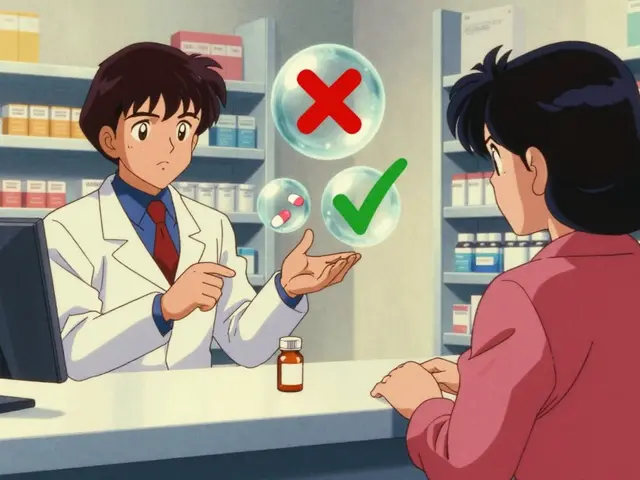
It’s a legal move built into U.S. drug law since 1984. When a generic company wants to sell a copy of a brand-name drug, they file an Abbreviated New Drug Application (ANDA) with the FDA. But here’s the twist: instead of saying, “We won’t infringe on your patents,” they say, “Your patents are invalid, unenforceable, or we won’t break them.” That’s a Paragraph IV certification. It’s not just a notice - it’s a formal legal challenge. And under the law, that act alone counts as patent infringement, even if the generic drug hasn’t been made yet. This system was created by the Hatch-Waxman Act, signed by President Reagan. Before 1984, generics made up only 19% of prescriptions. Today, they make up 90%. That shift didn’t happen by accident. It happened because Paragraph IV gave generic companies a clear, legal path to challenge patents - and a huge reward if they won.The 180-Day Exclusivity Prize
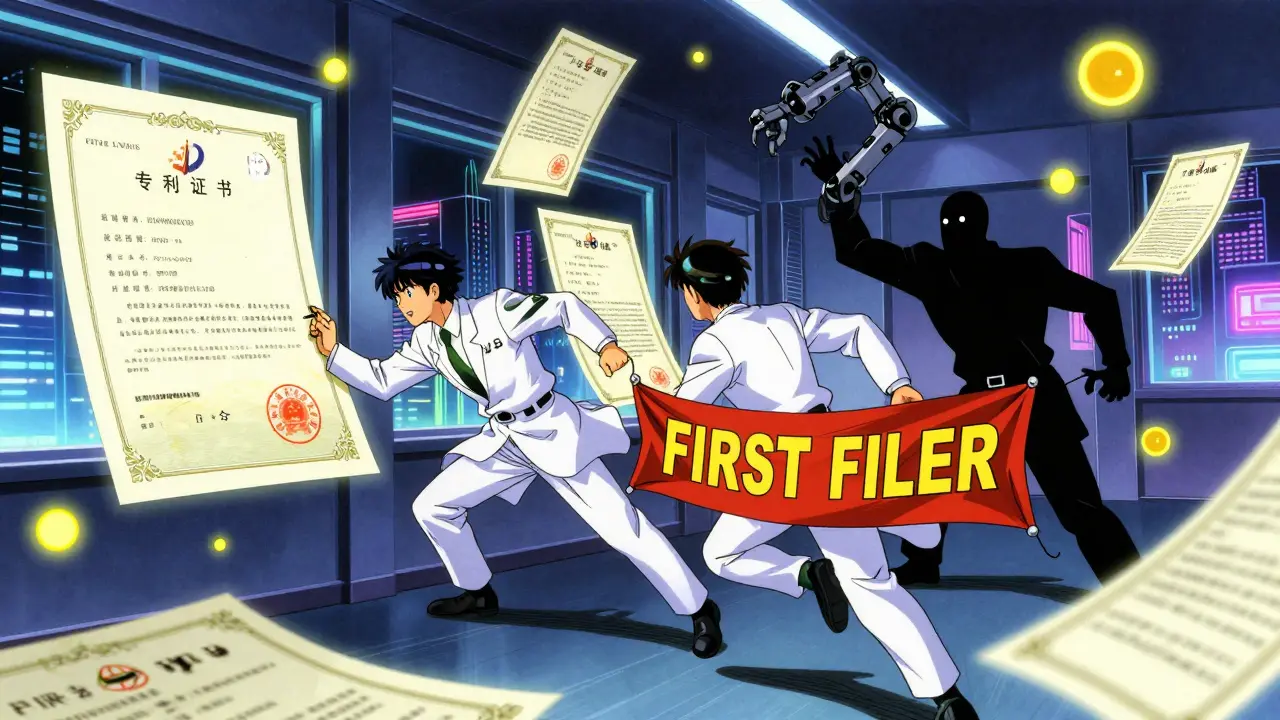
The real incentive? The first generic company to file a successful Paragraph IV challenge gets 180 days of exclusive market access. No other generic can enter during that time. That’s not just a head start - it’s a goldmine. Take Teva’s challenge to Copaxone, a multiple sclerosis drug. When Teva won, they captured nearly $1.2 billion in sales during their 180-day window. Mylan did the same with EpiPen, taking 75% of the generic market in those months. For smaller companies, that window can mean survival. For big ones, it’s a multi-billion-dollar payday. But here’s the catch: only the first filer gets this. So companies race to file. They spend millions analyzing patents years in advance, looking for weaknesses. A single mistake - filing too late, misreading a patent claim - and you lose everything.The Legal Countdown: 45 Days to Sue
Once a generic company files its Paragraph IV notice, the brand-name drug maker has exactly 45 calendar days to sue. If they don’t, the FDA can approve the generic right away. But 90% of the time, they do sue. That triggers a 30-month legal freeze. The FDA can’t approve the generic until either:- The court rules the patent is invalid or not infringed,
- The patent expires,
- Or the 30 months run out.
Why Do So Many Cases Settle?
About 72% of Paragraph IV cases never go to trial. Why? Because both sides have too much to lose. For the brand company, losing means losing millions in sales. For the generic, losing means losing the 180-day exclusivity - and potentially millions in legal costs. So they settle. But settlements aren’t always fair. In the past, brand companies paid generics to delay entry - known as “pay-for-delay.” The Supreme Court shut that down in 2013 with the Actavis decision. Now, most settlements include a clear entry date, usually no later than 75 days before the patent expires. Still, these deals can be complex. Some include royalty payments, manufacturing deals, or even agreements to co-market the generic. It’s less about who wins in court and more about who gets the best deal.Patent Thickets: The Brand’s Secret Weapon
Brand companies don’t just rely on one patent. They build “patent thickets” - stacks of 20, 30, even 40 patents covering everything from the pill’s shape to how it’s made to how it’s taken. Copaxone had 40+ patents. That’s not innovation - it’s legal obstruction. Generic companies have to challenge each one. Some are weak. Others are solid. But sorting through them takes years and millions in legal fees. A 2020 study found that success rates for Paragraph IV challenges dropped from 50% in the 1990s to just 35% today. Why? Because brand companies got smarter. They filed stronger patents and used every loophole. The FDA has tried to fight back. Since 2020, new rules have cut the number of patents listed in the Orange Book by 23%. That’s helping. But the problem isn’t gone.Who’s Winning? Who’s Getting Left Behind?
The top 10 generic manufacturers now file 68% of all Paragraph IV challenges. That’s up from 52% in 2015. Why? Because the cost of a single challenge has jumped from $5 million in 2000 to $15.7 million in 2022. Small companies can’t afford that. So they’re getting squeezed out. That’s bad for competition. Fewer challengers means fewer price drops. The biggest targets? Drugs with annual sales over $500 million. These make up just 18% of all prescriptions - but 82% of all Paragraph IV challenges. Oncology drugs are the hottest target now. The FTC saw a 27% jump in challenges for cancer drugs between 2018 and 2022. Why? Because they’re expensive. A $100,000-a-year drug becomes $10,000 after a generic wins. That’s huge savings.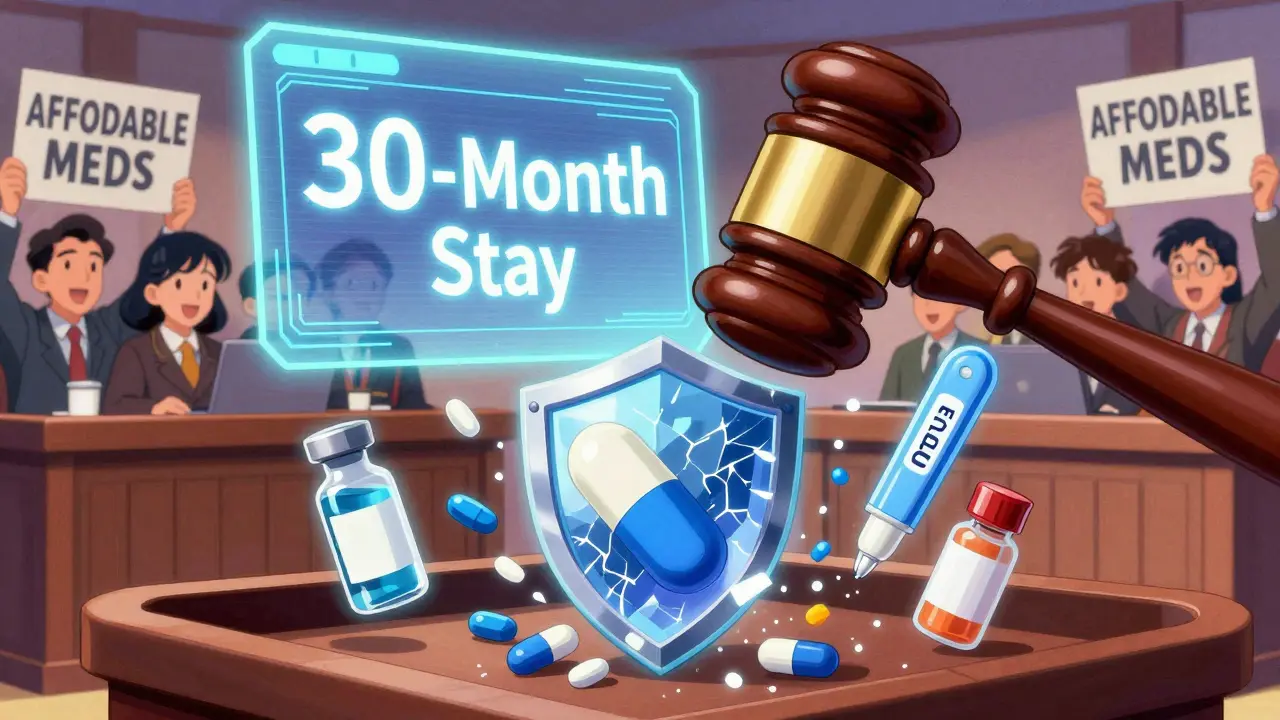
What’s Next? The Future of Generic Challenges
The Inflation Reduction Act of 2022 lets Medicare negotiate prices for the top 10 most expensive drugs. That’s a game-changer. If Medicare can force a brand to lower its price, generic makers see an even bigger opportunity. Analysts predict a 15-20% spike in Paragraph IV challenges for these drugs by 2025. New tactics are emerging too. Some companies are doing “patent cliff stacking” - challenging one patent, waiting for approval, then filing another challenge on a different patent. Hikma did this with Novo Nordisk’s Victoza, extending their market presence beyond the 180-day window. The FTC is also cracking down on “sham” patents - patents filed just to block generics, with no real innovation. In 2023, they sued Endo International for listing patents that didn’t cover the actual drug. That’s a sign things are changing.How This Affects You
If you take a generic drug, you’re benefiting from this system. A 2022 FTC report found that successful Paragraph IV challenges save consumers $13.7 billion per drug. Since 1990, total savings exceed $1.2 trillion. That’s not just numbers. That’s insulin you can afford. That’s a cancer drug your insurance covers. That’s a heart medication you don’t have to skip doses for. The system isn’t perfect. It’s slow. It’s expensive. It’s stacked in favor of big companies. But without Paragraph IV, generics wouldn’t exist the way they do. And prices? They’d still be sky-high.Bottom Line
Paragraph IV challenges are the engine behind generic drug competition in the U.S. They’re complex, costly, and legally brutal. But they work. They’ve turned generics from a fringe market into the backbone of American healthcare. And as long as brand companies keep filing patents just to delay competition, generic makers will keep fighting back - one legal filing at a time.What is a Paragraph IV certification in the context of FDA approval?
A Paragraph IV certification is a legal statement filed by a generic drug manufacturer with the FDA as part of its Abbreviated New Drug Application (ANDA). It declares that a brand-name drug’s patent is either invalid, unenforceable, or will not be infringed by the generic version. This triggers a formal patent challenge under the Hatch-Waxman Act, allowing the FDA to approve the generic drug if the challenge succeeds.
How does the 180-day exclusivity period work for generic drug makers?
The first generic company to successfully file a Paragraph IV challenge and receive FDA approval gets 180 days of exclusive rights to sell its version of the drug. During that time, no other generic can enter the market. This period is designed to reward the first filer and encourages companies to take on the legal and financial risk of challenging patents. The first filer typically captures 70-80% of the generic market during this window, often earning hundreds of millions in revenue.
What happens if the brand company sues after a Paragraph IV filing?
If the brand-name drug company sues within 45 days of receiving the Paragraph IV notice, an automatic 30-month stay kicks in. The FDA cannot approve the generic drug during this time - even if the patent is clearly weak. The stay ends early only if the court rules the patent is invalid or expired. Many cases take longer than 30 months, delaying generic entry despite the law’s intent.
Why do so many Paragraph IV cases settle before trial?
About 72% of Paragraph IV cases settle because both sides face massive financial risk. The brand company risks losing its monopoly and billions in sales. The generic company risks losing its 180-day exclusivity and wasting millions in legal fees. Settlements now typically include agreed-upon entry dates - usually no later than 75 days before the patent expires - to avoid illegal “pay-for-delay” arrangements banned after the 2013 Actavis Supreme Court ruling.
How has the FDA responded to patent thickets and evergreening tactics?
Since 2020, the FDA has tightened rules on what patents can be listed in the Orange Book, reducing “evergreening” - where companies file weak or irrelevant patents to delay generics. Drugs approved after 2020 have 23% fewer listed patents on average. The FTC has also started taking legal action against companies that file sham patents, like Endo International in 2023, signaling a shift toward cracking down on anti-competitive behavior.
Lisa Cozad
January 10, 2026 AT 17:55Wow, I had no idea this legal maneuver was behind why my insulin is so much cheaper now. It’s wild how a single filing can save billions. Kudos to the generics teams grinding through patents like detectives.
Saumya Roy Chaudhuri
January 11, 2026 AT 13:38Let me tell you something - this whole Paragraph IV system is a masterpiece of legal engineering. India’s generic industry thrives on this. We don’t just copy drugs, we dismantle patents like a surgeon with a scalpel and a caffeine IV. The US thinks it invented innovation - no, it just invented loopholes and we learned to exploit them better.
Jay Amparo
January 11, 2026 AT 18:20Big pharma’s patent thickets are like legal spiderwebs - sticky, tangled, and designed to trap anyone who dares to get close. But the real heroes? The underfunded startups that spend years reading patent claims like novels, betting their entire company on one line of legalese. I’ve met engineers who’ve cried after winning a challenge - not from joy, but from exhaustion. This isn’t business. It’s war.
And yeah, the 180-day window? That’s not a reward - it’s a lifeline. One company I know got bought out for $200M because they won on a diabetes drug. Their entire team went from ramen to retirement in six months.
But here’s the ugly truth: the system’s becoming a club for the rich. Only the top 10 can afford the $15M price of entry. The little guys? They’re getting pushed out. That’s not competition - that’s consolidation with a law degree.
The FTC’s crackdown on sham patents? Long overdue. If you file a patent for the color of the pill, you’re not innovating - you’re gaming. And we all pay for it.
Meanwhile, patients are still skipping doses because they can’t afford the copay. Even with generics, insurance mangles the math. The system saves billions - but not always for the people who need it most.
Still - without Paragraph IV, we’d still be paying $1,000 for a month of insulin. So yeah. Bring on the legal chaos. We need more of it.
anthony martinez
January 12, 2026 AT 04:08So let me get this straight - the government created a system where companies get paid to sue each other, and the only winners are the lawyers and the guys who can afford to wait three years for a drug to hit the market? Brilliant. Just brilliant.
Ritwik Bose
January 13, 2026 AT 06:44Respectfully, the Paragraph IV mechanism represents a delicate balance between intellectual property rights and public health imperatives. While the 180-day exclusivity incentivizes innovation in legal strategy, the prolonged litigation cycles undermine the very purpose of expediting access. A more streamlined adjudication framework, perhaps with specialized patent courts, could enhance efficiency without compromising due process.
Additionally, the increasing prevalence of patent thickets raises serious concerns regarding anticompetitive behavior, which necessitates vigilant oversight by regulatory bodies such as the FTC. The reduction in Orange Book listings since 2020 is a commendable step forward.
Paul Bear
January 13, 2026 AT 18:22Let’s not romanticize this. The ‘heroic’ generic challengers? Most of them are hedge fund-backed shell corporations with zero R&D. They don’t invent anything - they just reverse-engineer and litigate. The real innovation? The brand companies’ R&D teams spending $2B to create the drug in the first place. Meanwhile, the generics ride the coattails, cash in on exclusivity, and then jack up prices during their 180-day monopoly. That’s not competition - that’s rent-seeking with a law degree.
And don’t get me started on the ‘savings’ - those numbers assume the generic is priced at cost. It’s not. It’s priced at ‘what the market will bear after the brand is gone.’ So yeah, $13.7B saved? Maybe. But only because the brand got crushed, not because the generic is cheap.
Also, ‘patent thickets’? That’s called due diligence. If you can’t read a patent, that’s your problem, not the innovator’s.
lisa Bajram
January 15, 2026 AT 10:30Okay, I’m crying. Not because I’m emotional - but because my dad’s cancer drug dropped from $12K to $800 after a generic won. I watched him breathe easier. I watched him buy groceries again. This isn’t some abstract legal thing - it’s people. Real people. With bills. With kids. With fear. And the people fighting these patent battles? They’re the unsung heroes of American healthcare. We need more of them. Not fewer. Not lawsuits against the FTC - MORE CHALLENGES. Let’s flood the system. Let’s break the thickets. Let’s make insulin affordable for EVERYONE. 🙏💊
Jaqueline santos bau
January 15, 2026 AT 11:44OMG I just realized - this whole thing is like a Netflix drama but with more lawyers and less romance. The 180-day exclusivity? That’s the villain’s redemption arc. The patent thickets? The evil empire’s fortress. And the generics? The ragtag team of underdogs with spreadsheets instead of swords. I’m watching this like it’s Succession but with pills. Someone make a documentary. NOW.
Aurora Memo
January 16, 2026 AT 11:56Thank you for writing this. I’ve been a nurse for 18 years and I’ve seen patients choose between meds and rent. This system isn’t perfect - but it’s the only thing keeping us from falling into a healthcare abyss. I’ve handed out generic metformin to teenagers with Type 1 and watched them smile because they didn’t have to skip doses. That’s worth every legal battle.
Let’s not let the big players turn this into a monopoly game. We need more challengers - not fewer.
Faith Edwards
January 16, 2026 AT 12:20It is, without question, a deeply problematic paradigm that incentivizes litigation over innovation. The Hatch-Waxman Act, while well-intentioned, has devolved into a corporate arms race wherein the public interest is subordinated to the machinations of private capital. The 180-day exclusivity period constitutes a de facto regulatory monopoly, antithetical to the principles of free-market competition. Furthermore, the normalization of patent thickets represents a pernicious form of regulatory arbitrage - a legal fiction masquerading as intellectual property.
One must question the ethical legitimacy of a system wherein the most lucrative targets are life-sustaining therapeutics, and wherein the burden of legal risk is borne not by shareholders, but by patients who are forced to wait - sometimes years - for affordable access.
Ian Cheung
January 16, 2026 AT 18:28Just read this whole thing and I’m shook. The fact that one company can hold a drug hostage for 30 months just because they filed a patent on the shape of the pill? That’s not capitalism. That’s extortion with a law license. And the 180-day window? That’s not a reward - it’s a lottery ticket bought with millions. I hope someone writes a book about this. Or a movie. Or both. Someone’s gotta tell this story before the next generation can’t afford their asthma inhaler.