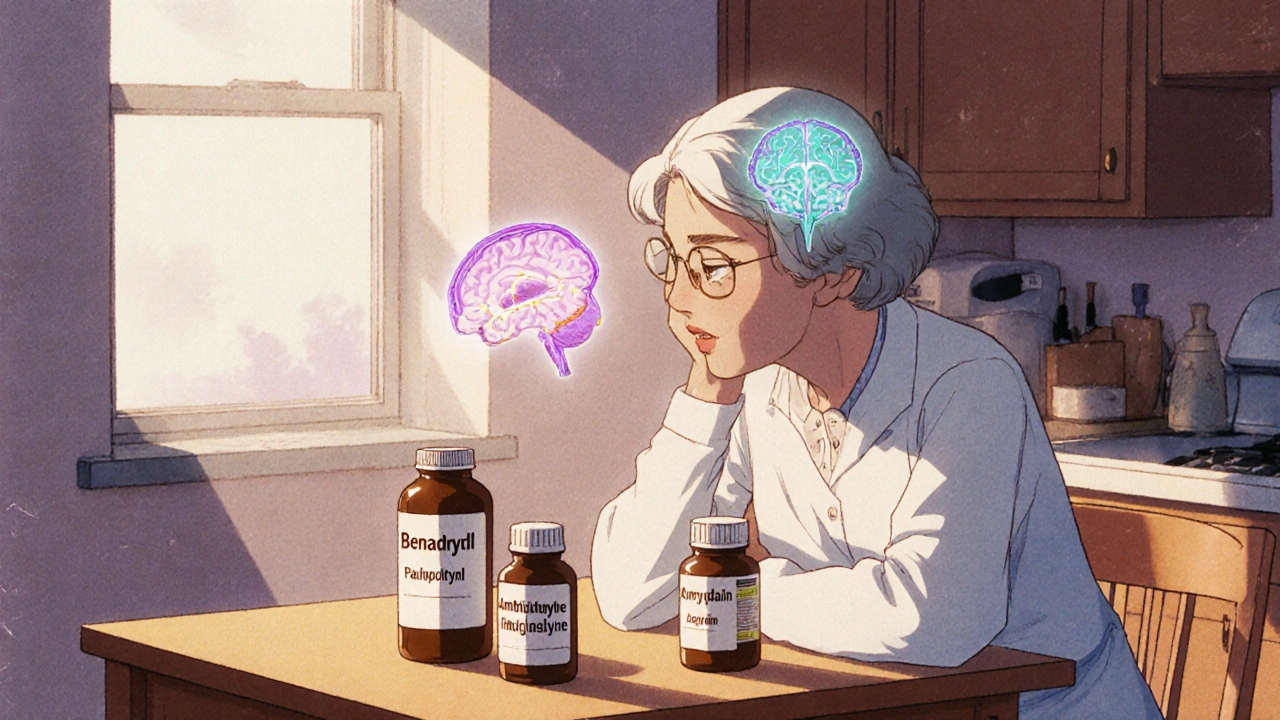
When your memory starts slipping—forgetting names, losing track of conversations, or struggling to find the right word—it’s easy to assume it’s just getting older. But cognitive decline, a measurable reduction in thinking skills like memory, attention, and problem-solving. Also known as mild cognitive impairment, it’s not a normal part of aging, and it can be caused or worsened by everyday medications. Many people don’t realize that common drugs like antihistamines, sleep aids, or even some antidepressants can slow down brain function over time. This isn’t speculation—it’s backed by clinical observations in older adults who suddenly show confusion after starting a new pill.
Cognitive decline often ties into other health issues you might already be managing. For example, medication-induced delirium, a sudden, reversible state of confusion triggered by drugs like Benadryl or Valium, looks a lot like early dementia but can be fixed if caught early. Then there’s thyroid medication, such as levothyroxine, which, when out of balance, can mimic memory loss. Even supplements like ashwagandha, often taken for stress, can interfere with hormone levels and indirectly affect mental clarity. And don’t overlook fiber supplements, which can block absorption of critical brain-supporting meds if taken too close together. These aren’t edge cases—they’re everyday risks.
What makes cognitive decline tricky is that it rarely has one cause. It’s usually a mix: a drug interaction here, poor sleep there, maybe a vitamin deficiency, and the natural aging process layered on top. That’s why simply blaming "getting old" misses the real opportunity: you can often slow or even reverse the decline by adjusting what you take, when you take it, and how you monitor your health. The posts below dive into exactly these connections—how certain medications trigger brain fog, how seniors are especially vulnerable, and what steps actually work to protect your thinking skills. You’ll find real-world advice on spotting red flags, avoiding dangerous combinations, and making smarter choices with your prescriptions.