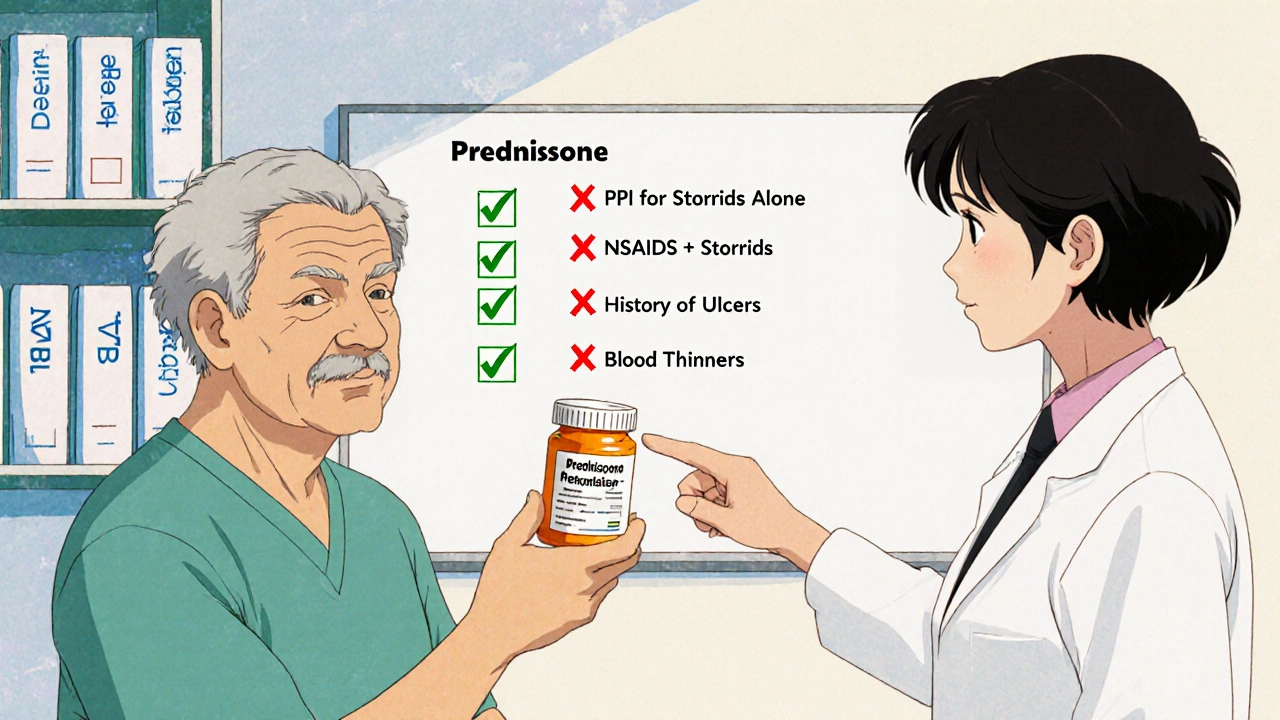
When your body’s inflammation goes too far—whether from arthritis, asthma, or an autoimmune flare—corticosteroids, a class of synthetic hormones that mimic the body’s natural stress response. Also known as steroids, they work by shutting down overactive immune signals fast. But they’re not harmless pills. These drugs are powerful, and using them without understanding the trade-offs can lead to problems you didn’t see coming.
Corticosteroids are part of a bigger group called immunosuppressants, medications that reduce the activity of the immune system. They’re used when the body attacks itself—like in lupus or Crohn’s disease. But they’re also used for short-term relief, like in severe allergic reactions or poison ivy. The problem? Long-term use can mess with your body’s own hormone production. Your adrenal glands, which normally make cortisol, can go quiet if you’re on steroids too long. That’s called adrenal suppression, a condition where your body stops making enough natural steroids. Stopping suddenly can cause fatigue, low blood pressure, even shock. That’s why you never quit these drugs cold turkey.
Then there are the side effects most people don’t talk about. Weight gain, especially around the face and belly. Thinning skin that bruises easily. Trouble sleeping. Higher blood sugar—especially dangerous if you have diabetes. And bone loss. Studies show people on daily corticosteroids for more than three months have a much higher risk of fractures. It’s not just about taking the pill. It’s about knowing how to use it safely: lowest dose, shortest time, and always with a plan to taper off.
You’ll find posts here that dig into how corticosteroids interact with other meds—like how they can mess with thyroid drugs or make diabetes harder to control. Others show how to spot early signs of damage, like moon face or muscle weakness. Some even compare steroid inhalers vs. pills vs. injections, and when each makes sense. There’s no one-size-fits-all answer. What works for someone with rheumatoid arthritis might be dangerous for an older adult with osteoporosis. These aren’t just prescriptions. They’re tools—and like any tool, they need to be handled with care.