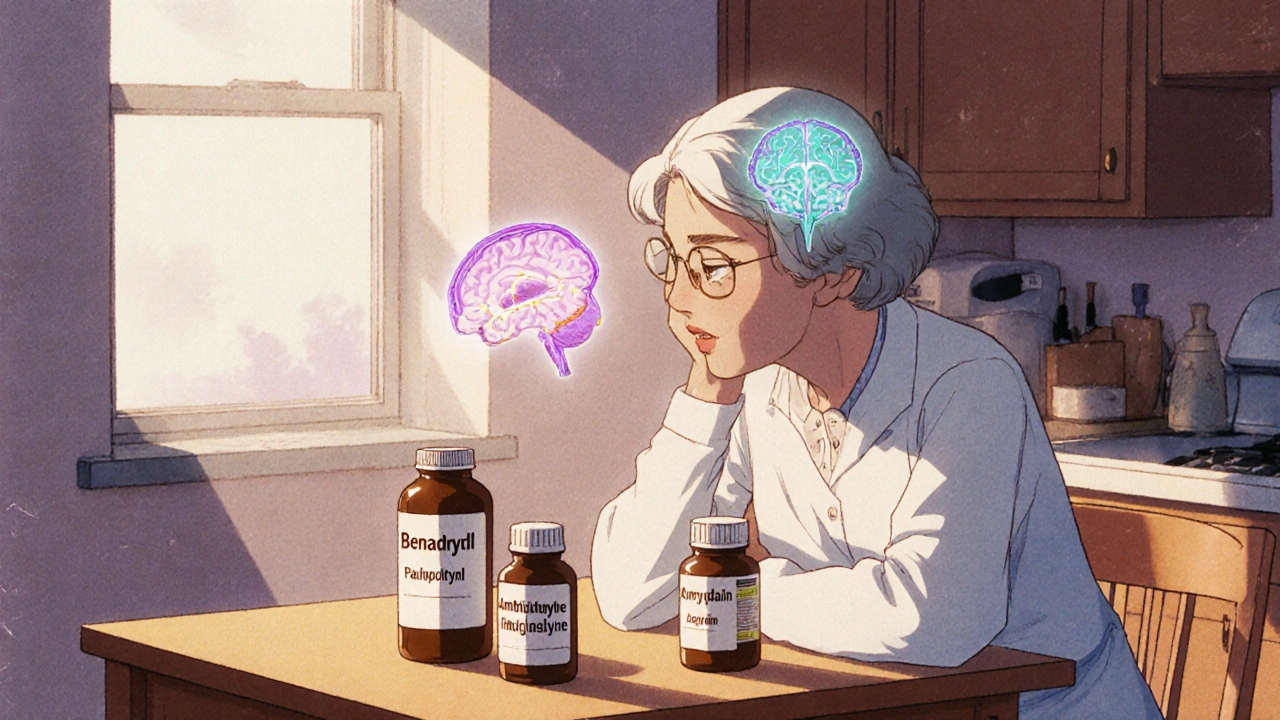
When we talk about dementia risk, the likelihood of developing memory loss and cognitive decline severe enough to interfere with daily life. Also known as cognitive decline, it’s not just something that happens to older people—it’s often shaped by choices, medications, and underlying health issues you can control. Many assume dementia is inevitable with age, but research shows nearly 40% of cases could be prevented or delayed by managing things like blood pressure, diabetes, and even the drugs you take daily.
One of the biggest hidden triggers is medication-induced delirium, a sudden, often reversible confusion caused by common prescriptions like antihistamines, benzodiazepines, and bladder control drugs. This isn’t just a side effect—it’s a warning sign that your brain is under stress, and repeated episodes can accelerate long-term decline. Seniors on multiple meds are especially vulnerable, and many doctors don’t connect the dots between a patient’s confusion and their pill bottle. Then there’s aging brain, the natural process of neural changes over time that can be slowed or sped up by lifestyle. It’s not about doing crossword puzzles alone—it’s about sleep, movement, and avoiding chronic inflammation from poor diet or uncontrolled diabetes. You can’t stop aging, but you can stop feeding the fire.
What you’ll find here aren’t generic tips like "eat more blueberries" or "stay socially active." These are real, practical insights pulled from actual patient cases and clinical data. You’ll see how common drugs like Benadryl and Valium quietly increase dementia risk, how fiber supplements can mess with thyroid meds that affect brain function, and why switching to a generic version of your medication might need a dose tweak to avoid cognitive side effects. There’s also what to watch for if you’re on lithium, thyroid meds, or antidepressants—because these aren’t just about mood or metabolism. They’re about your brain’s long-term health.
None of this is about fear. It’s about awareness. You don’t need to stop every medication or live in a bubble. You just need to know which risks are real, which are myths, and what steps actually move the needle. The posts below give you exactly that—no fluff, no guesses, just clear facts from people who’ve seen what works and what doesn’t in real clinics and real lives.