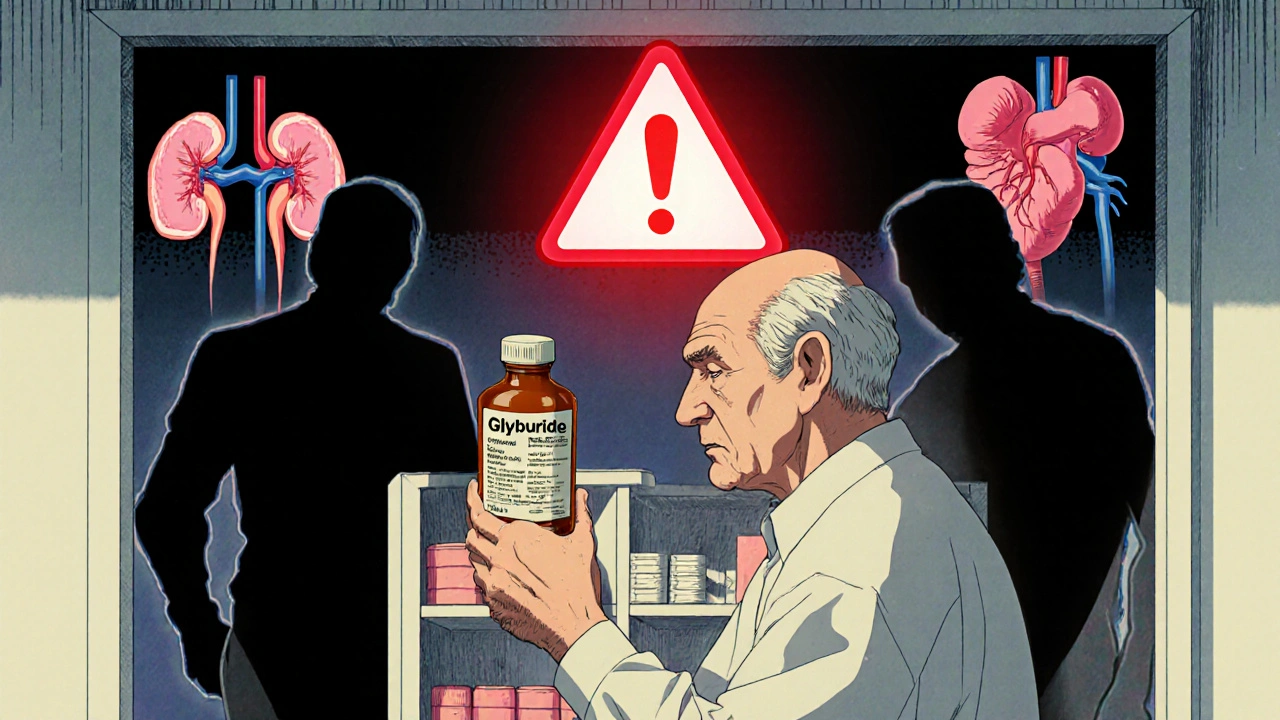
When it comes to managing diabetes medications for seniors, prescriptions designed to control blood sugar in older adults, often with added risks due to age-related changes in metabolism and kidney function. Also known as antihyperglycemic drugs for the elderly, these medications must balance effectiveness with safety—because what works for a 50-year-old can be dangerous for a 75-year-old. Many seniors take multiple pills daily, and even a small mistake in timing or dosage can lead to low blood sugar, confusion, or worse.
One major concern is medication interactions, how diabetes drugs react with other common prescriptions like blood thinners, thyroid meds, or antidepressants. For example, fiber supplements can block absorption of metformin or glipizide, while certain antibiotics or antifungals can spike blood sugar or cause dangerous drops. Seniors on polypharmacy regimens often don’t realize their blood sugar swings aren’t from diabetes itself—but from a drug clash they didn’t know about. Another big risk is medication-induced delirium, a sudden, frightening confusion caused by drugs that affect the brain, like some diabetes pills or even over-the-counter antihistamines. Drugs like glyburide, once common for seniors, are now avoided because they linger in the body and cause prolonged low blood sugar, leading to falls, hospital visits, or even brain damage. That’s why guidelines now push for simpler, safer options—like metformin, DPP-4 inhibitors, or GLP-1 agonists—when kidney function allows.
It’s not just about the drug, but how it’s used. Many seniors take pills at the wrong time, skip doses because they forget, or double up after missing one. A simple fix? Using a pill organizer, setting phone alarms, or sticking with once-daily options. And don’t overlook the role of dietary fiber, which helps control blood sugar naturally but can interfere with absorption if not timed right. If you’re on metformin or insulin, taking fiber supplements at the same time as your meds can make them less effective—so space them out by at least two hours. The goal isn’t to crush blood sugar numbers—it’s to keep seniors alert, mobile, and out of the hospital.
What you’ll find below are real, practical guides written for people who live this every day. From how to avoid duplicate prescriptions after a specialist visit, to why some diabetes meds increase fall risk, to how to spot early signs of confusion from drug side effects—these aren’t theory pieces. They’re tools for keeping older adults safe, independent, and in control of their health. No fluff. No jargon. Just what works—and what doesn’t.