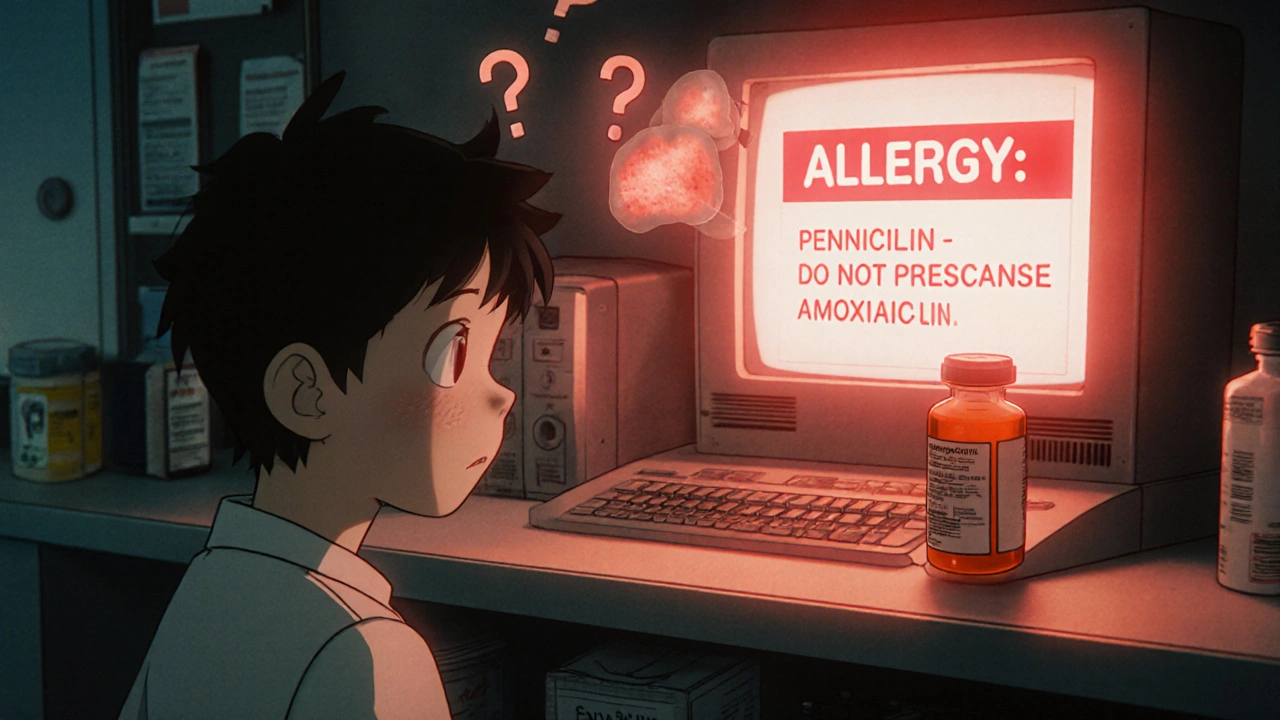
When your body treats a medicine like an invader, it’s not just a side effect—it’s a drug allergy, an immune system response to a medication that can range from mild to life-threatening. Also known as medication hypersensitivity, a drug allergy isn’t just about a rash or upset stomach—it’s your body sounding an alarm that could lead to anaphylaxis, a sudden, severe reaction that blocks airways and drops blood pressure. Unlike side effects, which are predictable and common, true allergies are unpredictable and can get worse with every exposure.
Common culprits include antibiotics like penicillin, painkillers like aspirin and ibuprofen, and even over-the-counter antihistamines like Benadryl. But it’s not just the drug itself—sometimes it’s the filler, dye, or preservative in the pill. People on multiple meds, especially seniors or those with chronic conditions, are at higher risk because they’re more likely to be exposed to these triggers. And here’s the scary part: a reaction you had years ago might come back stronger. That’s why keeping a real-time list of every drug you’ve ever reacted to matters more than you think. If you’ve ever broken out in hives after a shot, felt your throat close after a pill, or turned blue after an IV, you’re not just "sensitive"—you’re likely allergic.
Drug allergies don’t always show up right away. Some reactions take days, even weeks, to appear. That’s why people often miss the link between a new medicine and a weird rash, joint pain, or fever. But if you’ve ever had a reaction, you need to treat it like a red flag—not a coincidence. Your doctor needs to know every detail: what drug, when you took it, how long it took to react, and what happened. That info helps avoid dangerous repeats. And if you’ve ever been told to carry an EpiPen for a food allergy, the same rule applies to drugs. If you’ve had a serious reaction before, you should have an emergency plan—and it should be written down, shared with family, and kept in your wallet.
Many people think if they took a drug once without trouble, it’s safe forever. That’s not true. Your immune system changes. A drug you tolerated at 25 could kill you at 55. That’s why checking for drug interactions isn’t just about pills clashing—it’s about your body’s memory. Even supplements like ashwagandha or green tea can mess with how your body handles meds, turning a safe dose into a hidden trigger. And don’t assume generics are always safe replacements—sometimes the inactive ingredients differ, and that’s enough to set off a reaction.
What you’ll find below isn’t just a list of articles. It’s a practical toolkit. From how to build a home emergency kit for unexpected reactions, to why certain drugs like anticholinergics or corticosteroids can trigger confusion or ulcers in vulnerable people, these posts cut through the noise. You’ll learn how to spot early signs of an allergic response before it escalates, how to talk to your pharmacist about hidden ingredients, and which medications are safest if you’ve had a reaction before. This isn’t theory. It’s what people who’ve been through it wish they’d known sooner.