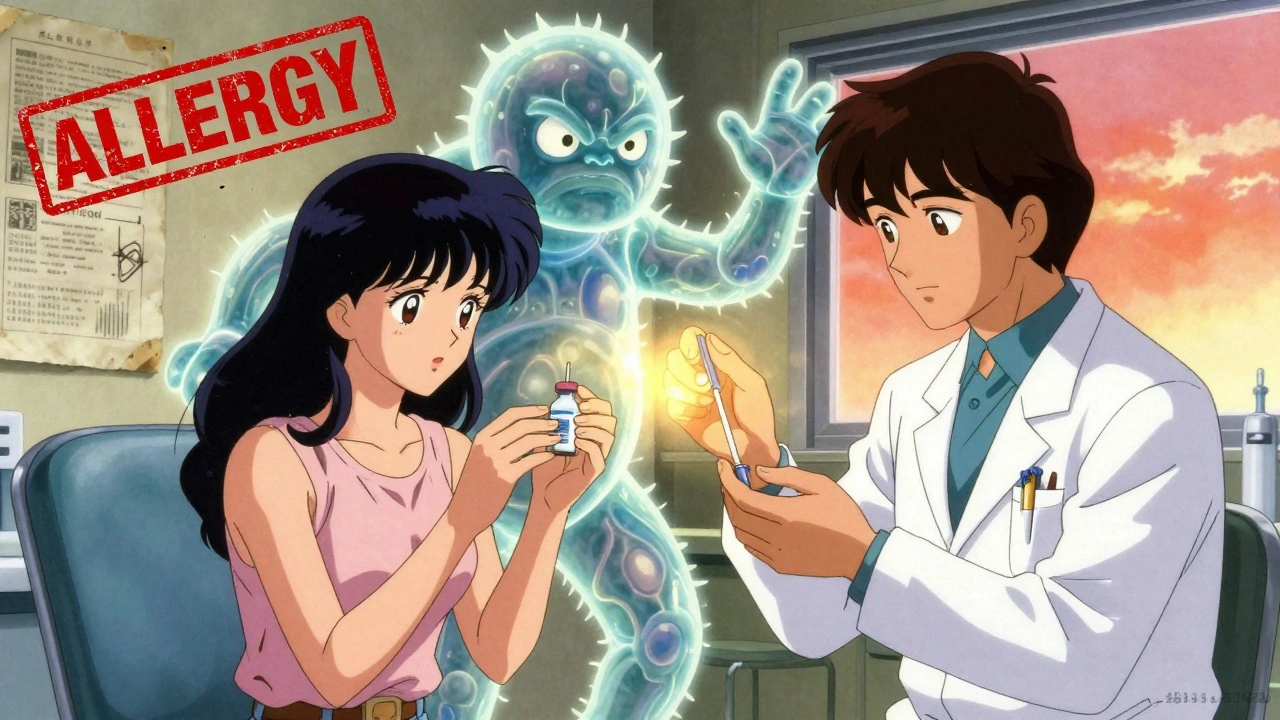
When your body reacts dangerously to a medicine you need, drug desensitization, a controlled medical process that gradually introduces an allergenic drug to build temporary tolerance. Also known as therapeutic desensitization, it’s not a cure—but it’s often the only way to get vital treatments like chemotherapy, antibiotics, or biologics when no safe alternatives exist. This isn’t guesswork. It’s a carefully timed, step-by-step protocol done under medical supervision, usually in a hospital or clinic, where your vital signs are watched closely as tiny doses of the drug are given over hours or days.
It works because the immune system’s overreaction—like hives, swelling, or anaphylaxis—isn’t always triggered by the drug itself, but by how fast it hits the system. By starting with a dose so small it doesn’t set off a reaction, and slowly increasing it, the body learns not to panic. This technique is used for penicillin allergies, one of the most common drug allergies, affecting up to 10% of people, even when skin tests show a positive result. It’s also critical for patients needing platinum-based chemo drugs, like carboplatin or cisplatin, where alternatives are less effective or unavailable. Even people allergic to aspirin, often used for heart protection, can safely resume treatment through this method.
It’s not for everyone. If you’ve had a severe reaction like toxic epidermal necrolysis or Stevens-Johnson syndrome, desensitization is usually too risky. But for those with IgE-mediated reactions—sudden hives, wheezing, or drop in blood pressure—it’s a proven lifeline. The tolerance only lasts as long as you keep taking the drug daily. Miss a dose, and you might need to restart the whole process. That’s why it’s often used for short-term needs, like a 10-day antibiotic course or a single chemo cycle.
What you’ll find below are real-world guides on how this process connects to everyday medication safety. You’ll read about how drug desensitization relates to allergy alerts in pharmacies, why some patients get misdiagnosed with drug allergies, and how to avoid dangerous workarounds like skipping needed meds. There are also posts on how to handle reactions, what to ask your doctor before starting a desensitization protocol, and how certain drugs like antibiotics and cancer treatments are most often involved. These aren’t theoretical—they’re based on cases, patient experiences, and clinical data from real practice. Whether you’re a patient, caregiver, or just trying to understand why someone might need to slowly sip a drug they’re allergic to, this collection gives you the facts you need to make sense of it all.