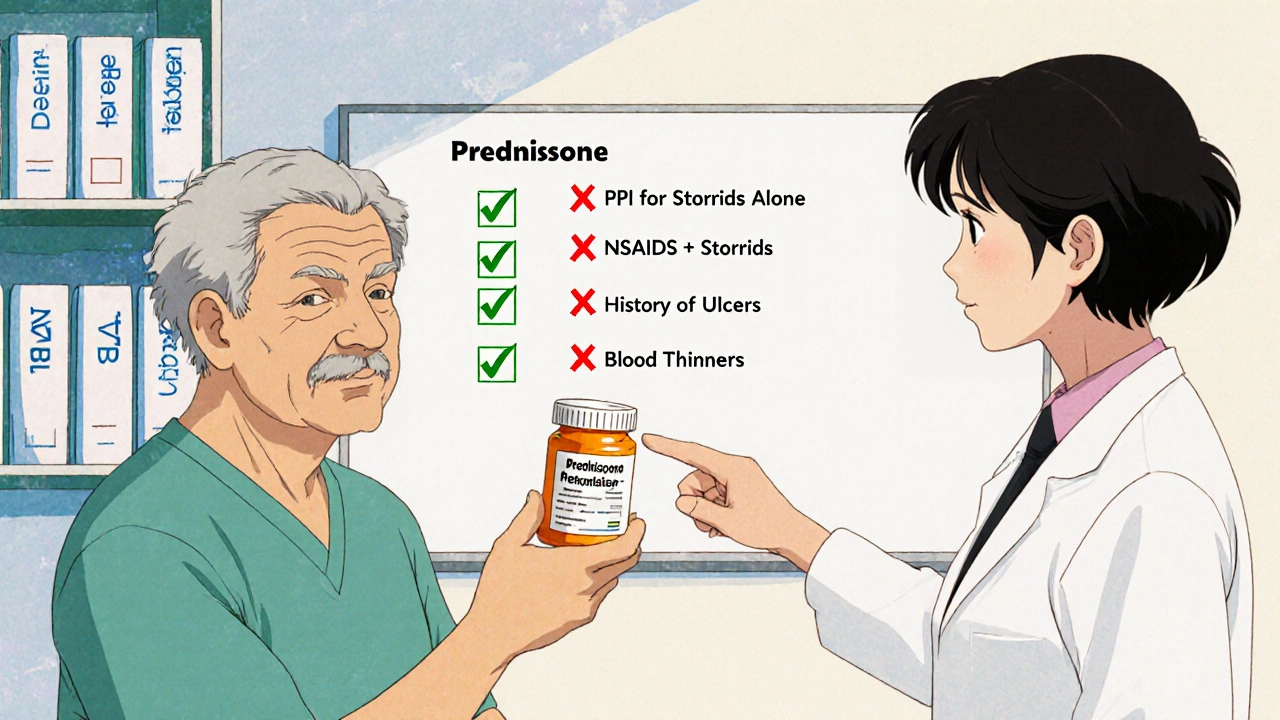
When your stomach lining breaks down and forms an open sore, that’s a gastric ulcer, a type of peptic ulcer that develops in the stomach wall. Also known as stomach ulcer, it’s not just discomfort—it’s tissue damage that can lead to bleeding, perforation, or blockage if ignored. Many people think stress causes ulcers, but the real villains are usually H. pylori, a bacterium that infects the stomach and weakens its protective mucus layer or NSAIDs, common painkillers like ibuprofen and aspirin that block protective enzymes. These two factors are behind most cases, not spicy food or anxiety.
Once H. pylori takes hold, it survives the acid in your stomach by burrowing into the mucus layer. Over time, it eats away at the lining, creating a crater-like sore. NSAIDs work differently—they stop your body from making prostaglandins, which normally shield your stomach from acid. Without that shield, even normal stomach acid starts burning through tissue. The result? Burning pain after eating, bloating, nausea, or even vomiting blood. If you’ve been taking daily painkillers for arthritis or headaches and now feel a gnawing ache in your upper belly, it might not be indigestion—it could be an ulcer.
Healing isn’t about avoiding coffee or eating bland food. It’s about removing the cause. If H. pylori is the culprit, antibiotics combined with acid-reducing drugs like proton pump inhibitors, medications that shut down acid production at the cellular level can cure it in weeks. If NSAIDs are the issue, switching to acetaminophen or using the lowest effective dose with a protective agent makes all the difference. Skipping treatment doesn’t make it go away—it makes it worse. And yes, ulcers can come back if the root cause isn’t fixed.
What you’ll find below are real, practical posts that cut through the noise. You’ll see how medications like proton pump inhibitors interact with fiber supplements, why some painkillers are riskier than others for your stomach, and how to spot warning signs before an ulcer turns dangerous. No fluff. Just clear answers about what works, what doesn’t, and what you need to ask your doctor next time you’re prescribed something for pain or inflammation.