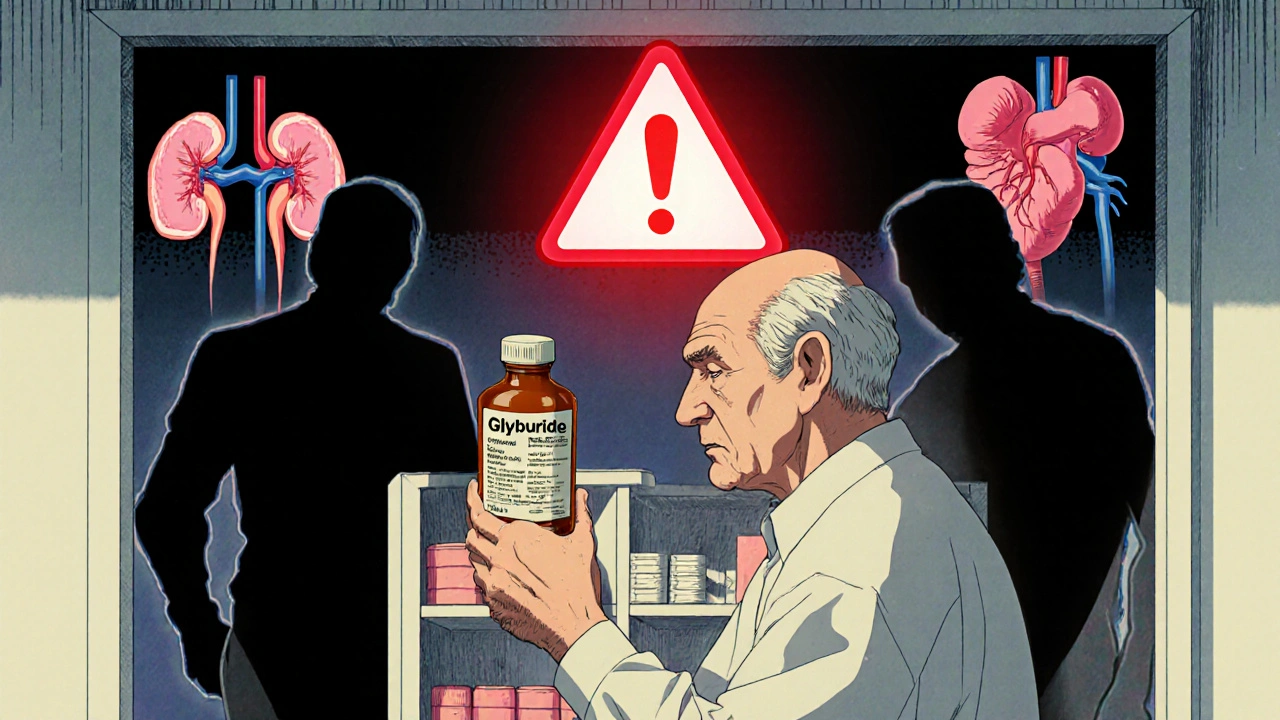
When your blood sugar, the amount of glucose in your bloodstream drops too low, you don’t just feel shaky—you risk passing out, having a seizure, or worse. Hypoglycemia prevention, the set of actions that keep blood sugar from falling into dangerous zones isn’t about avoiding food. It’s about timing, balance, and knowing your body’s signals. This isn’t just for people with diabetes. Anyone on insulin, sulfonylureas, or even some weight-loss meds can have scary drops in glucose, especially if meals are skipped or activity spikes without adjustment.
One of the biggest mistakes? Assuming that if you feel fine, your sugar is fine. But insulin reactions, the sudden crashes triggered by too much medication or not enough carbs can sneak up fast. You might get sweaty palms, a racing heart, or confusion before you even feel weak. That’s why blood sugar control, the ongoing process of matching food, activity, and meds to stay in range isn’t a one-time fix. It’s daily. Eat carbs with protein. Don’t skip meals. Check your sugar before driving or exercising. Carry fast-acting glucose—gels, juice, or glucose tabs—not candy bars. And if you’re on long-acting insulin or meds like glimepiride, talk to your doctor about whether your dose matches your real-life routine. People who track their lows over time find patterns: maybe it’s always after yoga, or after drinking alcohol on an empty stomach. Those patterns are your clues.
There’s no magic pill for hypoglycemia prevention. It’s about building habits that fit your life, not fighting your body. The posts below show real cases: how fiber supplements can delay sugar absorption, why switching generics might throw off your balance, how thyroid meds can mask low sugar symptoms, and what to do when a medication combo causes unexpected crashes. You’ll find no fluff—just clear steps to stop the next episode before it starts.