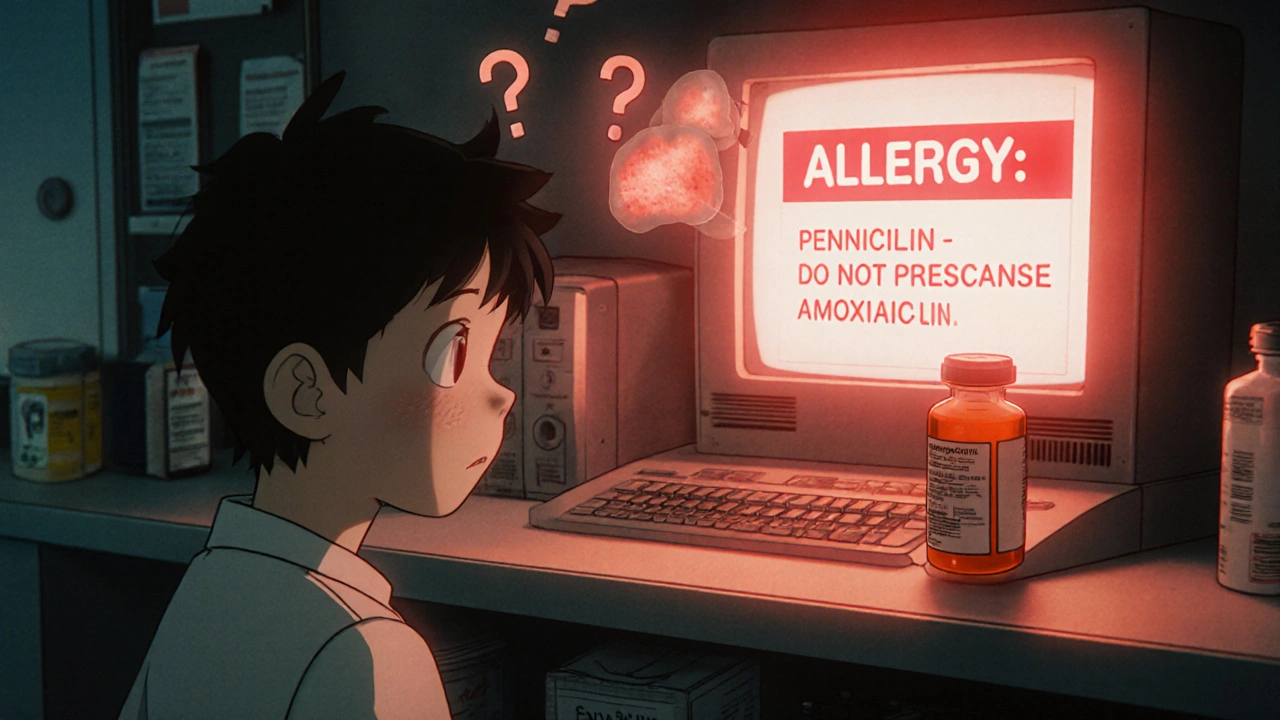
When your body mistakes a medication allergy reaction, an immune system response to a drug that causes harmful symptoms. Also known as drug hypersensitivity, it's not just a rash or upset stomach—it can be life-threatening. Unlike side effects, which are predictable and common, a true allergy means your immune system is attacking the drug like a virus. This can happen with anything from antibiotics to painkillers, and it doesn’t matter if you’ve taken the drug before—your body can decide to react at any time.
Common triggers include antibiotics, drugs like penicillin and sulfa that frequently cause allergic responses, NSAIDs, medications like ibuprofen and aspirin that can mimic allergy symptoms without true immune involvement, and even anesthetic agents, used in surgeries and dental work, which can trigger sudden, severe reactions. You might get hives, swelling of the lips or throat, trouble breathing, or a drop in blood pressure. In worst cases, it’s anaphylaxis, a full-body, fast-acting emergency that needs immediate epinephrine. Many people think they’re allergic to penicillin because they got a rash as a kid, but up to 90% of those claims turn out to be wrong when tested. That’s why proper diagnosis matters—you might be avoiding a safe, effective drug unnecessarily.
Knowing your triggers isn’t just about avoiding a bad reaction—it’s about staying out of the hospital. If you’ve ever had swelling after a pill, or broke out in hives after an injection, write it down. Tell every doctor, pharmacist, and nurse. Keep a list in your phone and wallet. Some reactions show up days later with fever, joint pain, or organ inflammation, so don’t dismiss delayed symptoms. And if you’ve had a serious reaction before, carry an epinephrine auto-injector—even if you think it won’t happen again.
The posts below cover real cases and practical advice from people who’ve lived through these reactions. You’ll find guides on spotting hidden triggers in common meds, what to do when a drug causes unexpected symptoms, how to tell the difference between an allergy and a side effect, and which alternatives are safest if you’re allergic to one class of drugs. Whether you’re managing a known allergy or just want to avoid a bad surprise, this collection gives you the facts you need to stay safe.