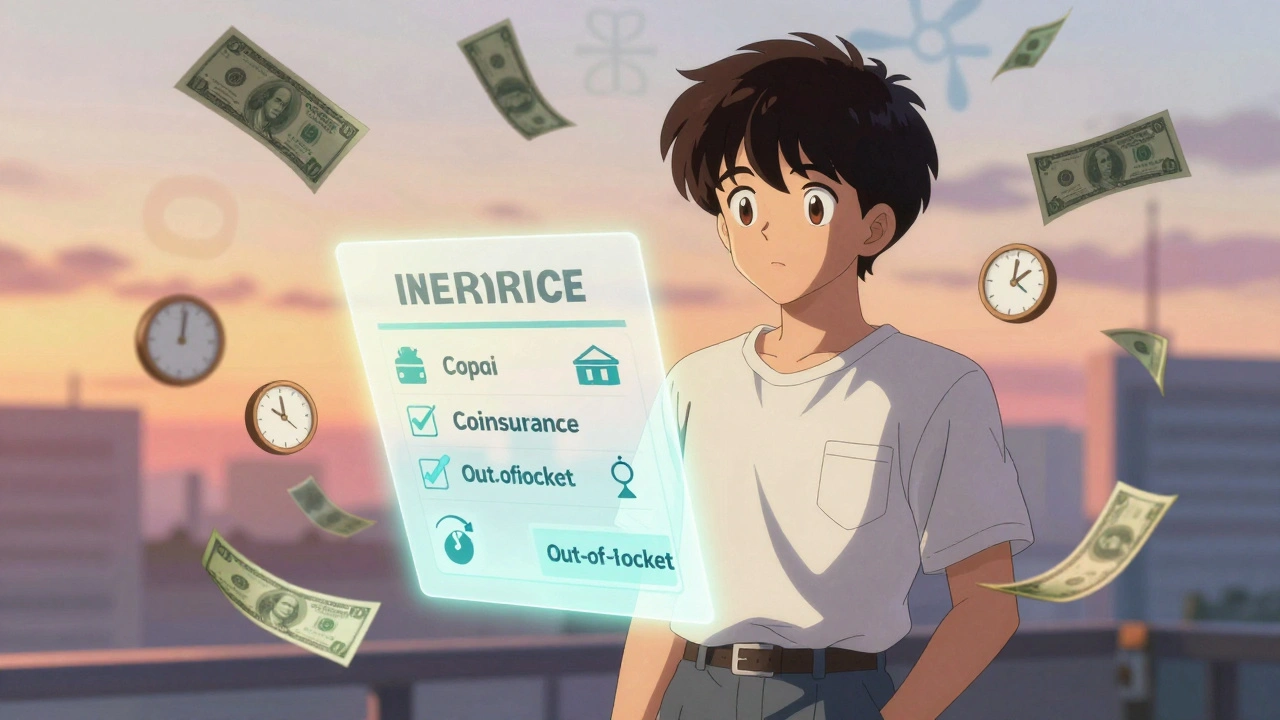
When you pay for therapy or medication yourself, you're dealing with out-of-pocket therapy, the cost of medical care not covered by insurance, including prescriptions, clinic visits, and monitoring tools. Also known as direct patient costs, it’s the part of healthcare that hits your wallet hardest—especially when brand-name drugs like Wegovy or Zepbound cost hundreds per month without coverage. Many people assume insurance handles everything, but that’s not true. Even with coverage, copays, deductibles, and prior authorization delays can leave you paying full price for weeks—or months—while waiting for approval.
That’s where generic drugs, lower-cost versions of brand-name medications that are chemically identical but often 80% cheaper. Also known as non-brand medications, they can cut your therapy expenses dramatically come in. But switching isn’t always simple. Some drugs, like levothyroxine or warfarin, have a narrow therapeutic index—meaning tiny changes in dose can cause serious side effects. That’s why some doctors adjust doses after a generic switch, and why you need to track your labs closely. A study from the FDA found that 1 in 5 patients on thyroid meds needed a dose change after switching generics—not because generics are unsafe, but because their bodies react differently to slight formulation differences.
And then there’s insurance denial, when your plan refuses to pay for a prescribed drug, often pushing you toward a cheaper alternative you can’t tolerate. Also known as prior authorization rejection, it’s one of the biggest drivers of out-of-pocket therapy costs. You might get denied for a migraine drug like lasmiditan because your plan only covers triptans—even if those gave you nausea or dizziness. That’s when you need to appeal. Most denials can be overturned with a clear letter from your doctor explaining why the alternative won’t work for you. And if you’re on a chronic condition like bipolar disorder or rheumatoid arthritis, skipping meds because of cost isn’t an option—it’s a risk.
Don’t forget about hidden costs, either. Fiber supplements can block your thyroid or diabetes meds from absorbing. Green tea and vitamin K foods can throw off your blood thinners. Ashwagandha might boost your energy but wreck your thyroid balance if you’re on levothyroxine. These aren’t side effects of the main drug—they’re side effects of how you’re managing your whole therapy plan. And when you’re paying out-of-pocket, every mistake costs more.
There’s no magic fix, but there are smart moves. Use one pharmacy so they can flag duplicate meds. Ask if your doctor has samples. Check if your drug has a patient assistance program. Look up National Prescription Drug Take-Back Days to safely dispose of unused pills and avoid accidental overdoses. And if you’re on long-term meds like lithium or anticholinergics, get regular blood tests—because some side effects, like thyroid damage or cognitive decline, creep up slowly and quietly.
What you’ll find below isn’t just a list of articles. It’s a toolkit. Each post breaks down real-world scenarios: how to fight an insurance denial for a brand-name drug, why your pharmacist’s allergy alert might be wrong, how to time your fiber supplement so it doesn’t ruin your morning pill, and what to do when your melatonin dose stops working. These aren’t theory pieces—they’re what people actually need when they’re staring at a $600 prescription and wondering if they can afford to keep going.