When your bladder sends signals you can’t ignore, overactive bladder drugs, medications designed to calm an overactive detrusor muscle and reduce urgent, frequent urination. Also known as OAB medications, these are often the first line of defense for people tired of sudden leaks, midnight bathroom runs, or avoiding social plans because of fear of accidents. This isn’t just about inconvenience—it’s about dignity, sleep, and freedom. And while lifestyle changes help, many people need the right drug to make a real difference.
Not all anticholinergics, a class of drugs that block nerve signals telling the bladder to contract. Also known as muscarinic antagonists, they include common names like oxybutynin and tolterodine. are created equal. Some cause dry mouth, constipation, or brain fog—especially in older adults. That’s why newer options like beta-3 agonists, drugs that relax the bladder muscle by activating specific receptors, leading to increased bladder capacity. Also known as bladder relaxants, such as mirabegron, are becoming first choices for many doctors. They work differently, have fewer cognitive side effects, and often play well with other meds. But even these aren’t perfect. Some people still get high blood pressure or headaches. And if you’re on other drugs—like antidepressants or heart meds—you need to check for interactions. A pill that helps your bladder might mess with your thyroid, your memory, or your heart rhythm.
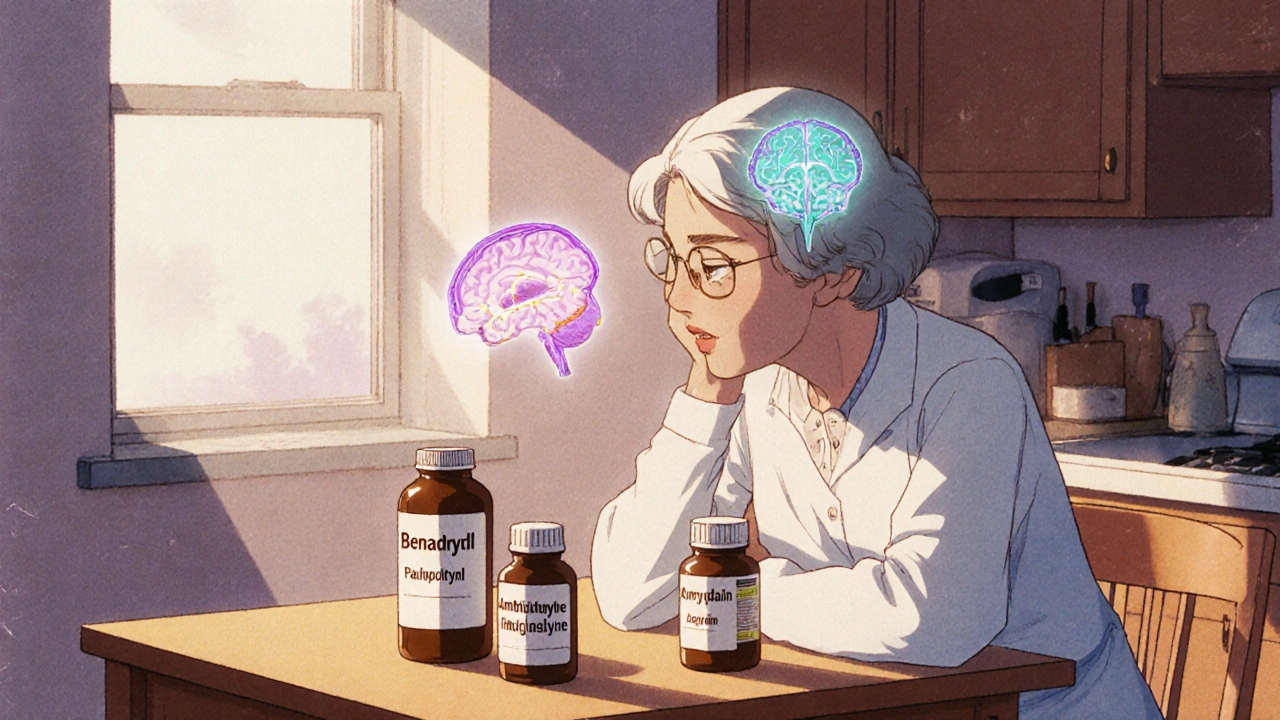
What you won’t find in most drug ads is how often people stop taking these meds because the side effects feel worse than the symptoms. Or how some OAB drugs are linked to confusion in seniors, especially when combined with antihistamines like Benadryl. The key isn’t just finding a drug that works—it’s finding one that works for you, without making other parts of your life harder. That’s why the posts below cover real-world experiences: how to spot when a drug is doing more harm than good, what alternatives exist when one fails, and how to talk to your doctor about switching without sounding like you’re complaining. You’ll also find advice on how fiber supplements, thyroid meds, or even green tea can interfere with bladder treatments. This isn’t theoretical. It’s what people actually deal with when they’re trying to live normally while managing a condition that no one talks about enough.