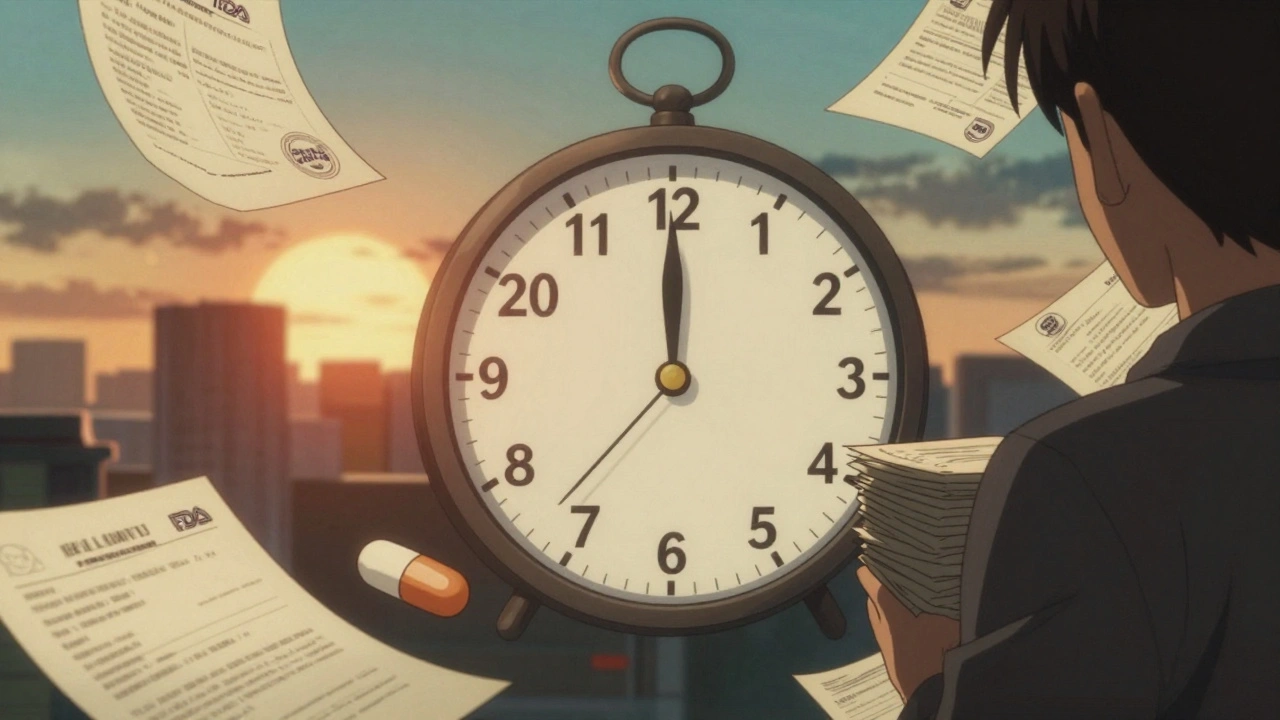
When a drug company gets a patent term extension, a legal adjustment that adds extra years to a drug’s patent life after FDA approval. Also known as drug patent restoration, it’s designed to make up for time lost during the approval process—time when the drug couldn’t be sold even though it was already developed.
It’s not a free pass. Only one extension is allowed per drug, and it can’t add more than five years. The total market exclusivity, including the original patent, can’t go past 14 years after FDA approval. This rule exists because the FDA review process can take years, and without this extension, companies might not recoup their R&D costs. But here’s the catch: the system favors drugs with long approval delays, often newer, expensive biologics or specialty meds. Meanwhile, older generics get no such benefit, even if they’re life-changing for patients.
FDA exclusivity, a separate period of market protection granted by the FDA regardless of patent status, often runs alongside patent term extension. For example, a new chemical entity might get five years of exclusivity, and if it also qualifies for patent term extension, those periods can stack. This means a drug might stay off-limits to generics for over a decade—even after its patent technically expires. It’s why you still can’t buy a cheap version of a brand-name drug that came out ten years ago.
Generic drugs, lower-cost copies of brand-name medications that enter the market after exclusivity ends are the backbone of affordable care. But patent term extension delays their arrival. Every extra year of exclusivity means thousands of patients pay more. A 2022 study found that over 40% of drugs with patent term extensions had no generic competitor even seven years after approval. That’s not innovation—it’s economic lock-in.
It’s not all bad. Without patent term extension, companies might stop investing in complex drugs. Think of new cancer therapies or rare disease treatments—these take years to test and approve. The extension helps keep those projects alive. But the system is lopsided. The biggest winners are drugs that cost $100,000 a year, not the everyday pills for high blood pressure or diabetes. And patients? They’re left waiting.
What you’ll find in the posts below are real-world examples of how this system plays out: how drug pricing stays high, why some medications take forever to go generic, and what you can do when your prescription is stuck in patent limbo. You’ll see how patent term extension connects to insurance denials, generic switching, and even medication shortages. It’s not just legal jargon—it’s in your pharmacy drawer, your co-pay, and your health decisions.