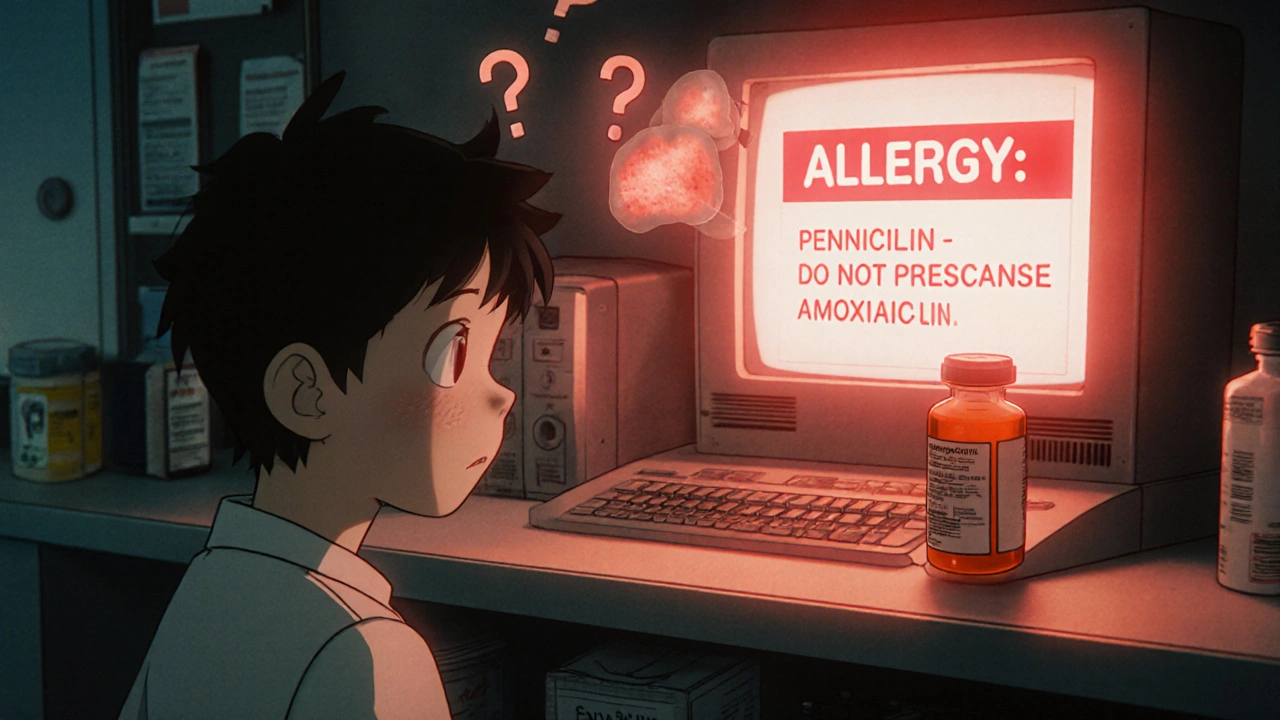
When you take a new medication, your body doesn’t always react the way you expect. Some drugs trigger pharmacy allergy alerts, warnings issued when a drug is likely to cause an allergic or dangerous reaction in certain patients. Also known as drug allergy flags, these alerts aren’t just for rare reactions—they’re for common meds like anticholinergic drugs, which many people take without realizing they can cause confusion, dry mouth, or even delirium in older adults. These aren’t theoretical risks. Studies show that over 20% of seniors are on at least one anticholinergic medication, and many don’t know it’s linked to brain changes over time.
That’s why drug interactions, when two or more medications affect each other’s safety or effectiveness. Also known as medication clashes, they’re one of the top reasons people end up in the ER matter so much. Take anticholinergic drugs, medications that block acetylcholine, a key brain and nerve chemical. Also known as anticholinergic burden agents, they include Benadryl, oxybutynin, and even some sleep aids. Used alone, they’re fine for most. But stack them with other sedatives, antidepressants, or even fiber supplements that slow absorption, and you’re asking for trouble. The same goes for drug allergies, immune responses to medications that can range from mild rashes to life-threatening anaphylaxis. Also known as medication hypersensitivity, they’re often mistaken for side effects. A rash from amoxicillin? That’s an allergy. Nausea from metformin? That’s a side effect. Mixing them up can cost you your health.
Pharmacy allergy alerts exist because these mistakes happen every day. Someone takes Benadryl for allergies, then adds a muscle relaxer for back pain. Their doctor doesn’t know. Their pharmacist doesn’t know. And suddenly, they’re confused, dizzy, and falling. Or they’re on levothyroxine and start taking ashwagandha for stress—unaware it can push their thyroid levels into dangerous territory. Or they’re on warfarin and drink green tea daily, not realizing it can make their blood clot unpredictably. These aren’t edge cases. They’re routine oversights.
That’s why this collection matters. You’ll find real, practical guides on how to spot hidden risks in your medicine cabinet. From how fiber supplements block your thyroid pills to why TNF inhibitors might raise skin cancer risk, every post here is built from real patient stories and clinical data. You won’t find fluff. You’ll find clear warnings, simple steps to avoid danger, and what to ask your doctor before you swallow that next pill. These aren’t just articles—they’re your last line of defense before a reaction becomes a crisis.