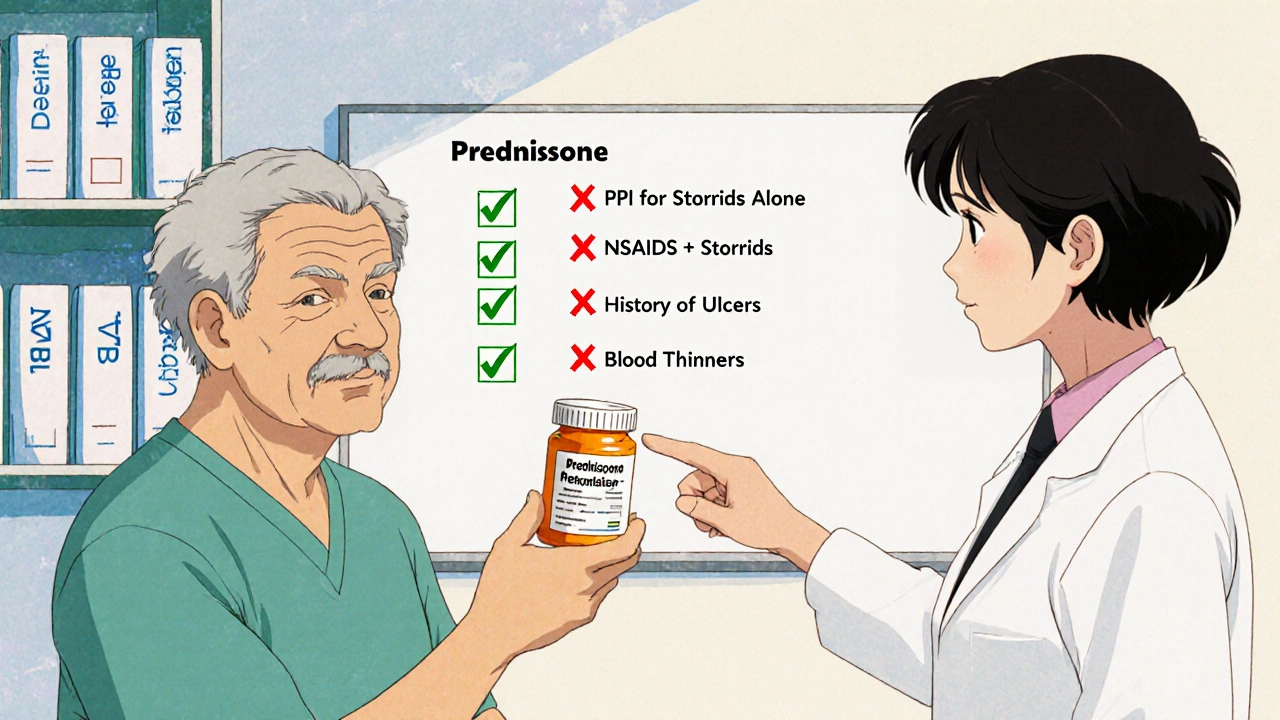
When you hear PPI prophylaxis, the preventive use of proton pump inhibitors to protect the stomach lining in vulnerable patients. Also known as acid suppression therapy, it's not for everyone—but for certain hospital patients, skipping it can be dangerous. This isn’t about treating heartburn. It’s about stopping ulcers before they start, especially when your body is under serious stress.
PPI prophylaxis is most common in intensive care units. Patients on ventilators, those with severe trauma, or people recovering from major surgery are at higher risk for stress-related stomach bleeding. Their bodies are flooded with stress hormones, blood flow to the stomach drops, and acid starts eating away at the lining. That’s where proton pump inhibitors, medications like omeprazole and pantoprazole that shut down stomach acid production come in. They’re not curing anything—they’re buying time. The goal is simple: keep the stomach lining intact until the patient stabilizes.
But here’s the catch: using PPIs too long, or in people who don’t need them, opens the door to other problems. Studies show increased risk of pneumonia, C. diff infections, and even bone fractures in older adults. That’s why guidelines now say: only use PPI prophylaxis if you’re truly at high risk—and stop as soon as the danger passes. It’s not a safety net. It’s a targeted shield.
Doctors don’t just hand out PPIs like candy. They look at your condition: Are you on blood thinners? Are you in the ICU? Have you had a recent GI bleed? If yes, then PPI prophylaxis makes sense. If you’re just in the hospital for a broken ankle? Probably not. The key is matching the drug to the risk, not just defaulting to it.
What you’ll find in the posts below are real-world stories about how medications interact, when they help, and when they hurt. You’ll see how PPI prophylaxis ties into other drug safety issues—like how fiber supplements block absorption, how generics can change dosing needs, and how common drugs like Benadryl can cause confusion in older adults. These aren’t random articles. They’re all connected by one thing: the hidden risks and real consequences of everyday medication use. Whether you’re a patient, a caregiver, or just someone trying to understand what’s in your medicine cabinet, this collection gives you the facts you need to ask the right questions.