When it comes to managing diabetes, a chronic condition where the body can’t properly regulate blood sugar. Also known as hyperglycemia, it becomes more complex with age as kidneys slow down, memory fades, and other medications pile up. For older adults, the goal isn’t just lowering blood sugar—it’s doing it without causing falls, confusion, or dangerous lows. Not all diabetes drugs are created equal for seniors, and some can do more harm than good.
The metformin, a first-line oral medication that reduces liver sugar production and improves insulin sensitivity is still the most trusted option for most elderly patients—unless kidney function is too low. It doesn’t cause weight gain or low blood sugar on its own, and it’s been used safely for decades. But even metformin needs monitoring. If someone’s creatinine levels are rising or they’re prone to dehydration, doctors may switch to something gentler.
SGLT2 inhibitors, a newer class of drugs that make the kidneys flush out extra sugar through urine are gaining favor in older adults. Drugs like empagliflozin and dapagliflozin don’t cause hypoglycemia, and studies show they lower the risk of heart failure and kidney decline—two big worries for seniors. But they can increase the chance of urinary tract infections or dehydration, so fluid intake matters. GLP-1 agonists, injectable medications that slow digestion and boost insulin only when blood sugar is high are another smart pick. They help with weight loss, protect the heart, and rarely cause low blood sugar. But some seniors struggle with nausea or find injections hard to manage.
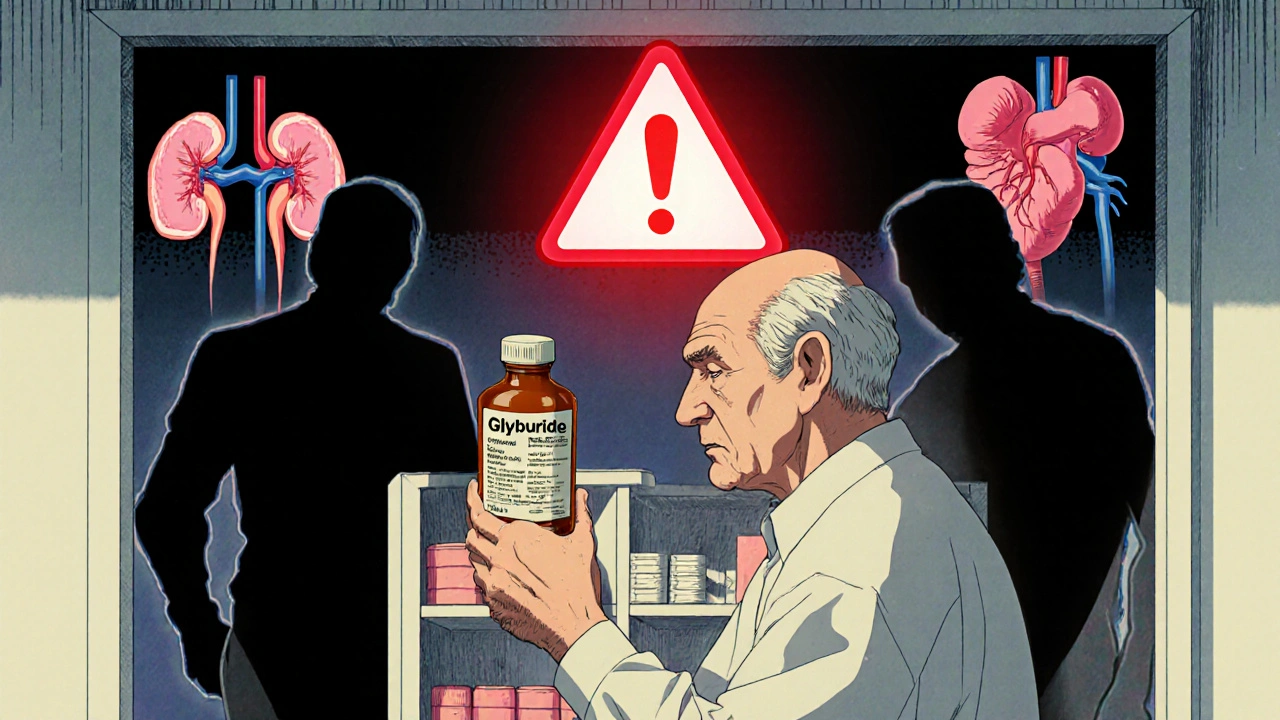
What to avoid? Sulfonylureas like glipizide or glyburide. They force the pancreas to pump out insulin no matter what, which can drop blood sugar dangerously low—especially if an elderly person skips a meal or has trouble remembering to eat. Insulin, while powerful, requires precise timing and carb counting, which can be overwhelming for someone with memory issues. And don’t forget about drug interactions. Fiber supplements, like those in Metamucil, a common bulk-forming laxative, can block diabetes meds from being absorbed if taken at the same time. Anticholinergic drugs like Benadryl, which many seniors take for sleep or allergies, can mask the warning signs of low blood sugar, like sweating or shaking, making it harder to catch a crisis.
It’s not about finding the "best" drug—it’s about finding the right fit for a person’s lifestyle, kidney health, memory, and other conditions. Many seniors are on five or more medications, and duplicates or interactions are common. That’s why keeping a real-time list and using one pharmacy matters. A drug that works perfectly for a 65-year-old might be risky for an 80-year-old with poor appetite or mobility. The safest choices are the ones that don’t demand perfect timing, don’t cause dizziness, and don’t hide their side effects.
Below, you’ll find real-world insights from doctors and patients on how to choose, adjust, and monitor diabetes treatment in older adults—without falling into common traps. From how to spot early signs of trouble to which meds pair safely with other common prescriptions, these posts give you the practical details you won’t get in a 5-minute office visit.