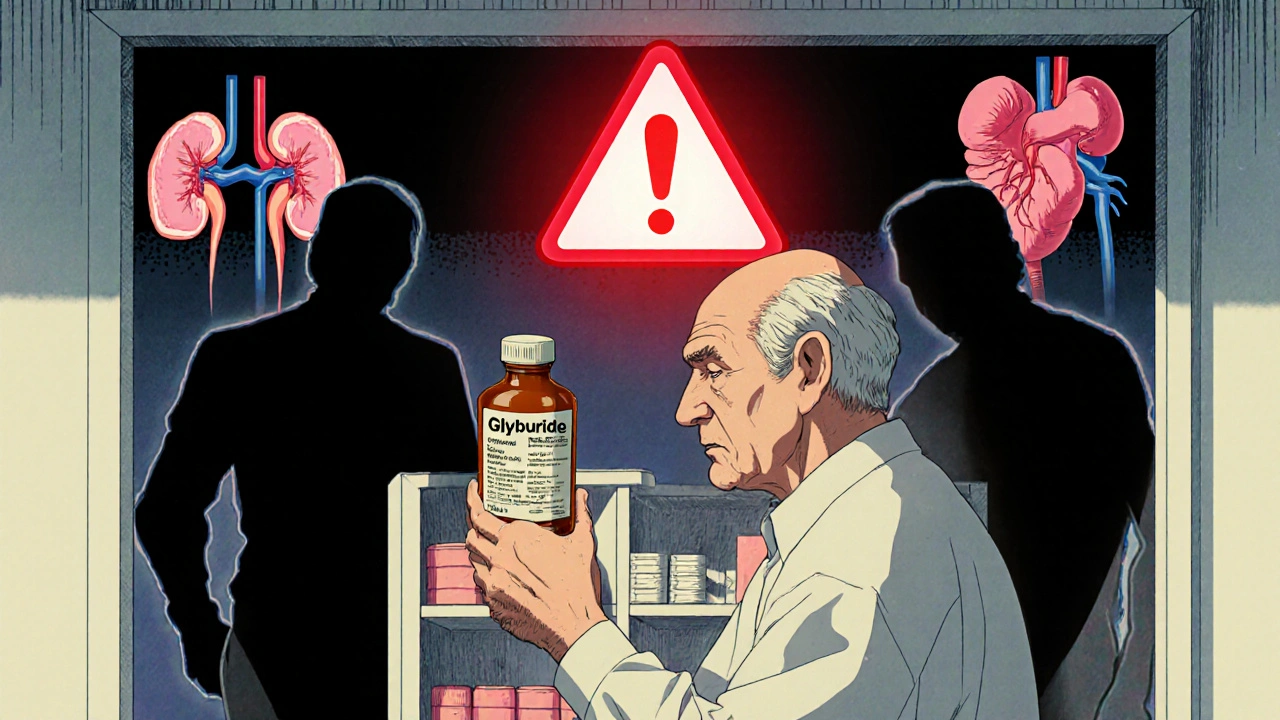
When you're over 65 and living with diabetes, a chronic condition where the body struggles to manage blood sugar, often requiring daily medication and careful lifestyle choices. Also known as type 2 diabetes, it's not just about insulin or pills—it's about how those meds interact with everything else you're taking, and how aging changes what your body can handle. Nearly half of all adults over 65 have diabetes, and many don’t realize how easily common drugs—like Benadryl, diuretics, or even some pain relievers—can spike blood sugar or cause dangerous lows.
That’s why medication interactions, when two or more drugs affect each other’s performance, sometimes with life-threatening results are one of the biggest hidden dangers. A senior might take metformin for blood sugar, a beta-blocker for blood pressure, and melatonin for sleep—none seem risky alone, but together they can mask low blood sugar symptoms, making hypoglycemia go unnoticed until it’s too late. And it’s not just pills: fiber supplements like Metamucil can block diabetes meds from absorbing, while green tea can interfere with blood thinners often prescribed alongside diabetes. Then there’s diabetic complications, long-term damage from uncontrolled blood sugar, including nerve pain, vision loss, and poor circulation, which become harder to manage as mobility declines and senses dull. Burning tongue? That’s not just a weird symptom—it’s often early nerve damage. Confusion after a new prescription? Could be medication-induced delirium, not dementia.
Senior diabetes care isn’t about following a rigid diet or checking numbers every hour. It’s about knowing which meds to question, which symptoms to take seriously, and how to avoid hospital trips caused by simple mistakes. You’ll find real stories here—like how switching to a generic metformin caused dangerous swings, or why a senior on insulin stopped feeling shaky during lows because of a beta-blocker. We cover the hidden risks of common supplements, how to build a home emergency kit for sudden lows, and why duplicate prescriptions from different doctors are more dangerous than you think. This isn’t theory. It’s what happens in real kitchens, pharmacies, and bedrooms where older adults are trying to stay healthy without getting overwhelmed.