When people talk about steroid side effects, harmful changes in the body caused by taking synthetic hormones that mimic testosterone or cortisol. Also known as anabolic steroid reactions, these effects aren’t just about acne or mood swings—they can reshape your heart, liver, and even your mind. Whether you’re taking them for muscle gain, inflammation, or a medical condition, your body doesn’t distinguish between what’s "prescribed" and what’s "recreational." The chemistry is the same, and the risks pile up over time.
Anabolic steroids, synthetic versions of testosterone used to build muscle and enhance performance. Also known as AAS, they’re the most common type linked to long-term damage. Men might see shrinking testicles, low sperm count, or breast growth. Women can develop deeper voices, facial hair, and irregular periods. Teens risk stunted growth because these drugs shut down natural hormone signals at a critical time. And it’s not just physical. Hormonal imbalance, when the body’s natural hormone production is disrupted by external steroids can trigger aggression, depression, or even paranoia. One study of athletes found nearly 30% reported severe mood episodes while using steroids—not just "feeling off," but full-blown panic or rage episodes.
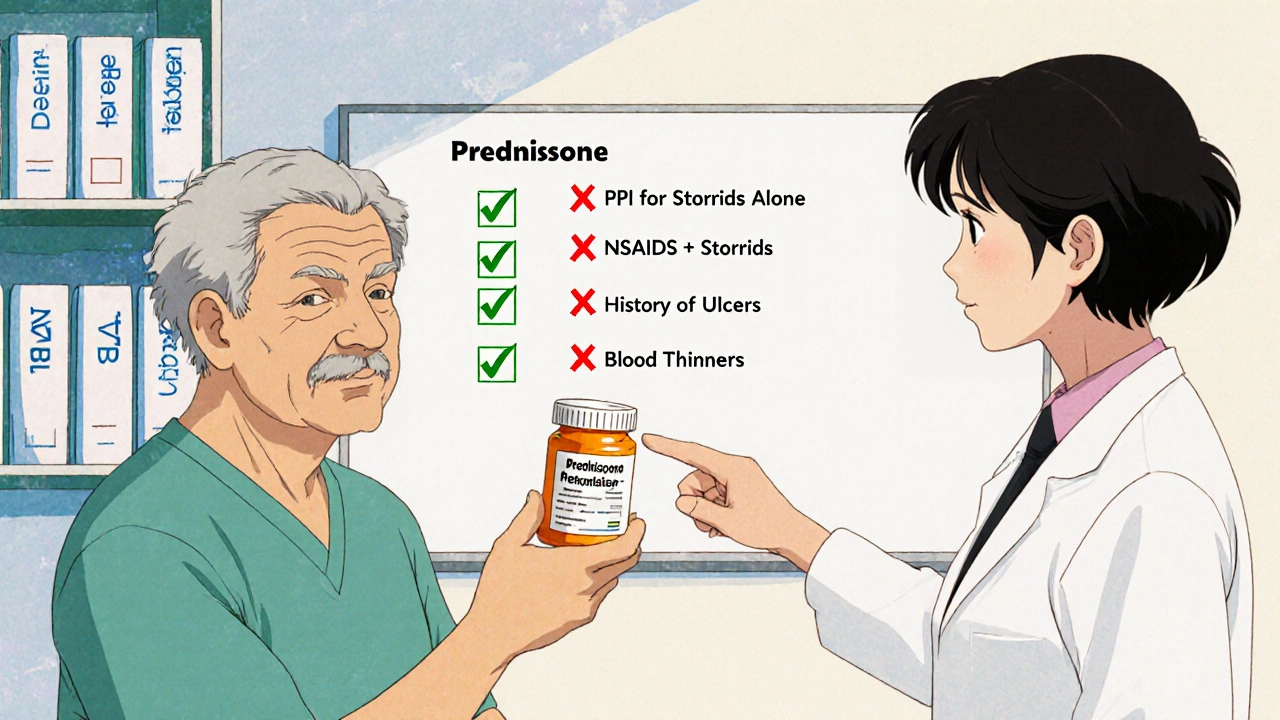
Corticosteroids, anti-inflammatory drugs like prednisone used for asthma, arthritis, or autoimmune diseases. Also known as oral steroids, they’re not meant for building muscle—but they still wreck your body if used too long. Think weight gain around the belly, thinning skin that bruises easily, high blood sugar, and weakened bones. Some people on long-term corticosteroids develop avascular necrosis—the bone in their hip or shoulder dies from lack of blood flow. And stopping suddenly? That can trigger adrenal crisis, where your body can’t make enough cortisol to keep you alive. It’s not rare. Emergency rooms see it every year.
What most people don’t realize is that steroid side effects don’t always show up right away. A puffy face or acne might fade after you quit, but liver damage or heart changes? Those can linger for years. Even if you feel fine, your bloodwork might tell a different story. That’s why regular checkups aren’t optional—they’re survival tools.
You’ll find real stories here—not theory, not fearmongering. People who took steroids for medical reasons and got caught off guard by the fallout. Athletes who thought they could outsmart the risks. Others who tried to quit cold turkey and ended up in the hospital. These aren’t hypotheticals. They’re documented cases, pulled from clinical reports and patient interviews. You’ll learn what to watch for, how to talk to your doctor without sounding paranoid, and what alternatives exist if you’re trying to reduce your dose.