When you think about vitamin K, a fat-soluble nutrient essential for blood clotting and bone metabolism. Also known as phylloquinone, it's not just another vitamin—it’s what stops you from bleeding too much after a cut and helps keep your bones strong as you age. Most people get enough from their diet, but if you’re on blood thinners like warfarin, what you eat matters more than you think.
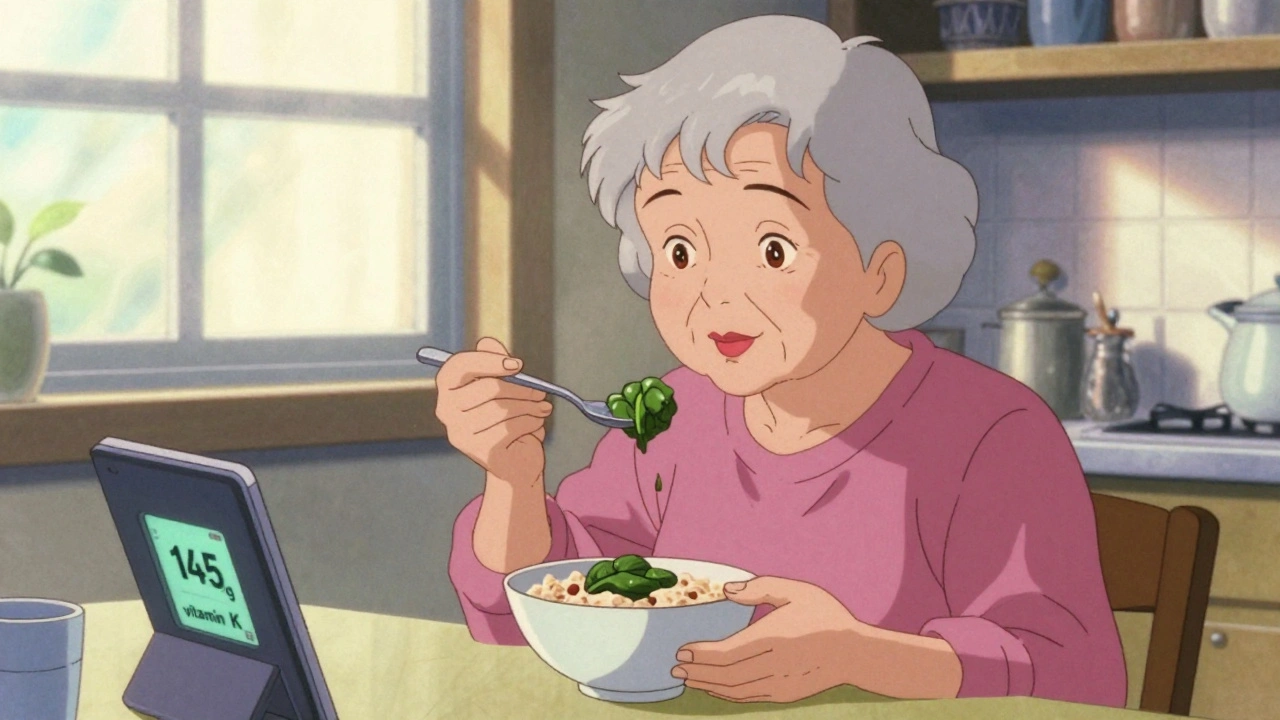
Leafy greens, like kale, spinach, and collard greens. Also known as dark green vegetables, they’re the top source of vitamin K. A single cup of cooked kale gives you over 1,000 micrograms—way more than the daily need. But here’s the catch: if you take warfarin, sudden changes in how much vitamin K you eat can throw off your INR levels. That’s why consistency matters more than quantity. You don’t have to avoid these foods—you just need to keep your intake steady. Same goes for broccoli, a cruciferous veggie rich in vitamin K and fiber. Also known as green broccoli, it’s a smart choice if you’re managing anticoagulant therapy. Even fermented foods like natto, a Japanese soybean dish, pack a huge punch—though most Western diets rarely include it.
It’s not just about greens. Vitamin K2, the form made by bacteria and found in animal products and fermented foods. Also known as menaquinone, it helps direct calcium to your bones instead of your arteries. You’ll find it in cheese, egg yolks, and chicken liver. Unlike K1, K2 doesn’t interfere much with warfarin, so it’s often overlooked in dietary advice. But if you’re focused on long-term bone health, especially as you get older, it’s worth paying attention to.
What you won’t find in most lists? vitamin K deficiency, a rare condition in adults but common in newborns and people with malabsorption disorders. Also known as hypoprothrombinemia, it can lead to unexplained bruising or bleeding. Most healthy people don’t need supplements. But if you’ve had gastric surgery, take antibiotics long-term, or have Crohn’s disease, your body might not absorb vitamin K well. That’s when food choices become even more critical.
And yes, green tea can affect your blood thinners—not because of caffeine, but because it contains vitamin K. Matcha, in particular, is concentrated. If your INR keeps swinging, your doctor might ask you to track your daily intake of these foods. It’s not about restriction. It’s about rhythm.
Below, you’ll find real, practical posts that break down how vitamin K interacts with medications, what foods are safest when you’re on blood thinners, and how to balance your diet without giving up the nutrients your body needs. No fluff. Just what works.