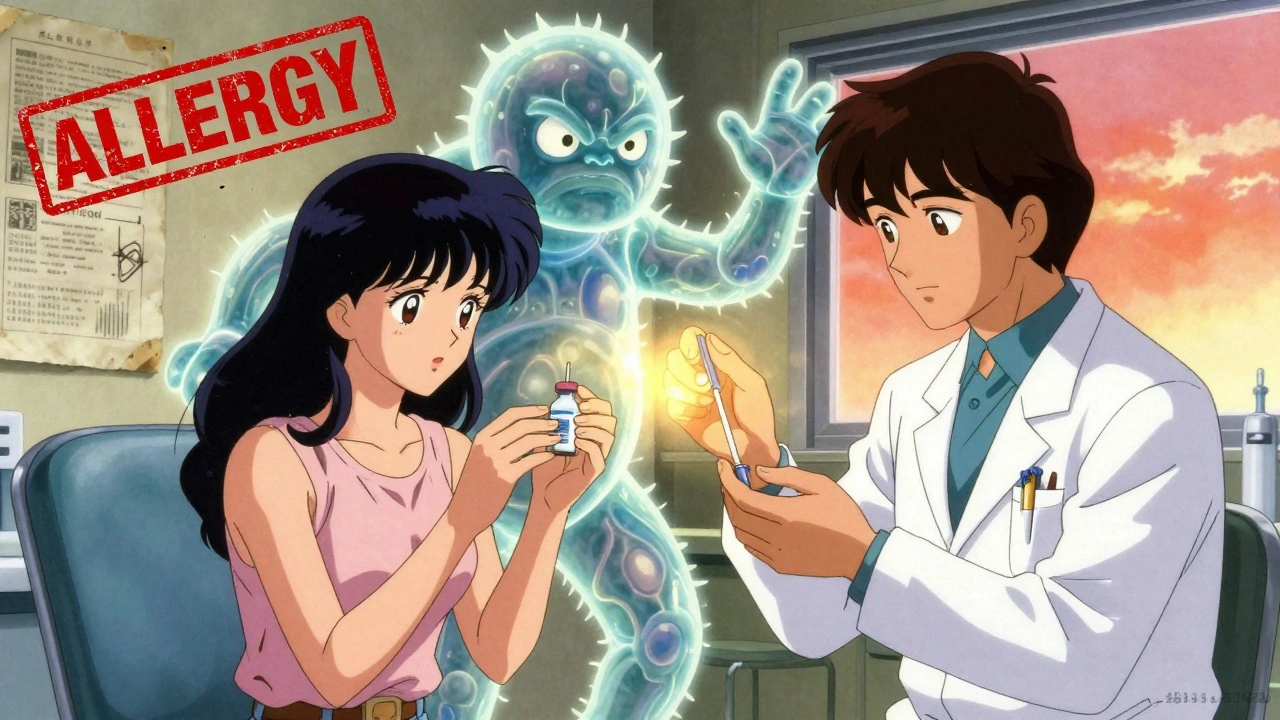
When your body mistakes a allergic reaction to medication, an immune system response to a drug that can range from mild rash to life-threatening shock. Also known as drug hypersensitivity, it’s not just a side effect—it’s your body fighting something it thinks is an invader. This isn’t rare. About 5% of people will have a true allergic reaction to a drug in their lifetime, and it can happen with anything from antibiotics to painkillers—even supplements you think are harmless.
Some drugs are far more likely to trigger this than others. Penicillin and sulfa drugs top the list, but even common OTC meds like ibuprofen or naproxen can cause reactions in sensitive people. The symptoms? They don’t always look the same. A itchy rash might be the only sign. Or you could get swelling in your throat, trouble breathing, or a sudden drop in blood pressure—that’s anaphylaxis, a severe, fast-moving allergic emergency that needs immediate treatment. Many people don’t realize they’re having one until it’s too late. That’s why knowing the early warning signs matters more than you think.
Pharmacies show you allergy alerts all the time, but most of them are wrong. Why? Because your electronic record might list "penicillin allergy" based on a childhood rash you had 30 years ago—and you’ve never been tested. A true allergy means your immune system makes specific antibodies to the drug. A side effect like nausea or dizziness? That’s not an allergy. Confusing the two leads to unnecessary avoidance of safe, effective meds. That’s why understanding the difference between a true drug allergy, an immune-mediated response with potential for recurrence and a simple intolerance is critical. You might be avoiding a life-saving antibiotic because of a mislabeled reaction.
And it’s not just about the drug itself. Your age, other conditions, and even what else you’re taking can change your risk. Older adults are more likely to have reactions to antibiotics and NSAIDs. People with HIV or Epstein-Barr virus can get severe rashes from amoxicillin—even if they’ve never been allergic before. And if you’re on multiple meds, the chance of a hidden interaction spikes. That’s why keeping a real-time list of everything you take, including doses and when you started, isn’t just smart—it’s lifesaving.
What should you do if you think you’re having a reaction? Stop the drug. Call your doctor. If it’s breathing trouble, swelling, or dizziness, go to the ER. Don’t wait. If you’ve had a serious reaction before, carry an epinephrine auto-injector and wear a medical alert bracelet. Many people don’t realize these exist for drug allergies, not just food.
Below, you’ll find real-world guides on how to spot false allergy alerts, what to do when a pharmacy warns you about a drug you’ve taken before, and how to safely manage reactions without giving up treatment. These aren’t theoretical—they’re based on what actually happens in clinics, pharmacies, and homes. You’ll learn how to talk to your doctor about testing, when to question a warning, and what alternatives exist if you’re labeled allergic to a common medicine. This isn’t about fear. It’s about knowing when to act—and when to trust your body’s signals.