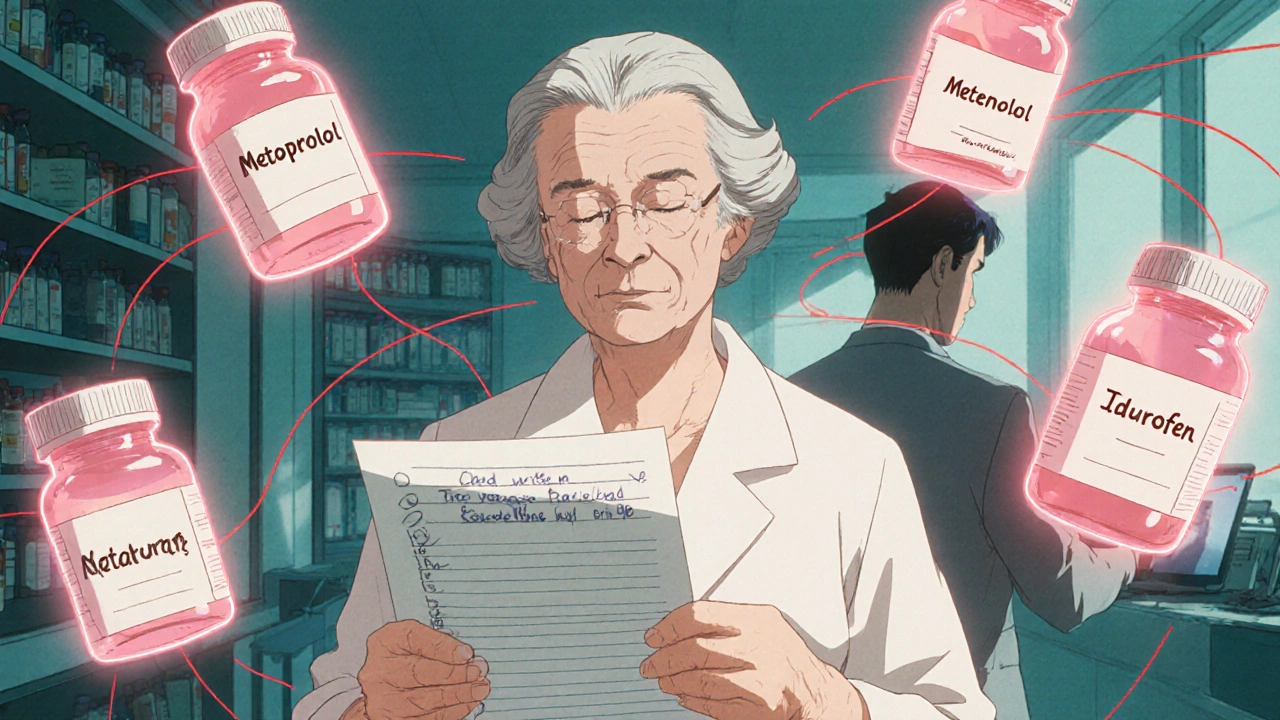
When you take two pills that do the same thing, you’re not doubling your benefit—you’re doubling your risk. This is called drug duplication, when two or more medications with the same active ingredient are taken together, often without the patient realizing it. Also known as duplicate therapy, it’s one of the most common and preventable causes of hospital visits among people on multiple medications. It doesn’t matter if one is brand name and the other is generic. It doesn’t matter if one was prescribed by your cardiologist and the other you bought online for a headache. If they contain the same active ingredient, you’re at risk.
Think about it: how many times have you taken a cold medicine with acetaminophen, then grabbed a painkiller for your back that also has acetaminophen? Or taken Benadryl for allergies, then used a sleep aid that contains the same thing? Or been prescribed an antibiotic, then picked up another one from a different doctor because you forgot what you already took? These aren’t mistakes—they’re predictable outcomes of fragmented care, busy schedules, and poorly communicated prescriptions. Studies show over 20% of older adults on five or more medications accidentally take duplicate drugs. The results? Liver damage from too much acetaminophen, bleeding from overlapping blood thinners, or severe drowsiness from double-dosed antihistamines. And none of it was necessary.
You don’t need a pharmacy degree to stop this. Start by keeping a simple list: write down every pill, patch, or liquid you take, including what it’s for and how often. Keep it in your wallet or phone. Bring it to every doctor visit—even the dermatologist or dentist. Ask your pharmacist to scan your full list every time you pick up a new prescription. Use a drug interaction checker, a tool that compares all your medications to flag duplicates and dangerous overlaps. Many free ones are built into pharmacy apps. Don’t trust memory. Don’t assume your doctor knows everything you took last month. And never combine over-the-counter products without checking the active ingredients first.
Some medicines are especially sneaky. For example, many people don’t realize that ibuprofen is in both Advil and Motrin. Or that meloxicam and celecoxib are both COX-2 inhibitors used for arthritis. Even herbal supplements like St. John’s Wort can interact dangerously with antidepressants you’re already taking. Your body doesn’t care what the label says—it only reacts to the chemical inside. That’s why avoiding drug duplication isn’t about being careful—it’s about being systematic.
Below, you’ll find real stories and practical guides from people who’ve been there. From how to safely dispose of old meds to spotting hidden duplicates in your medicine cabinet, these posts give you the tools to take control. No fluff. No jargon. Just clear steps to make sure you’re not accidentally poisoning yourself with too much of the same thing.