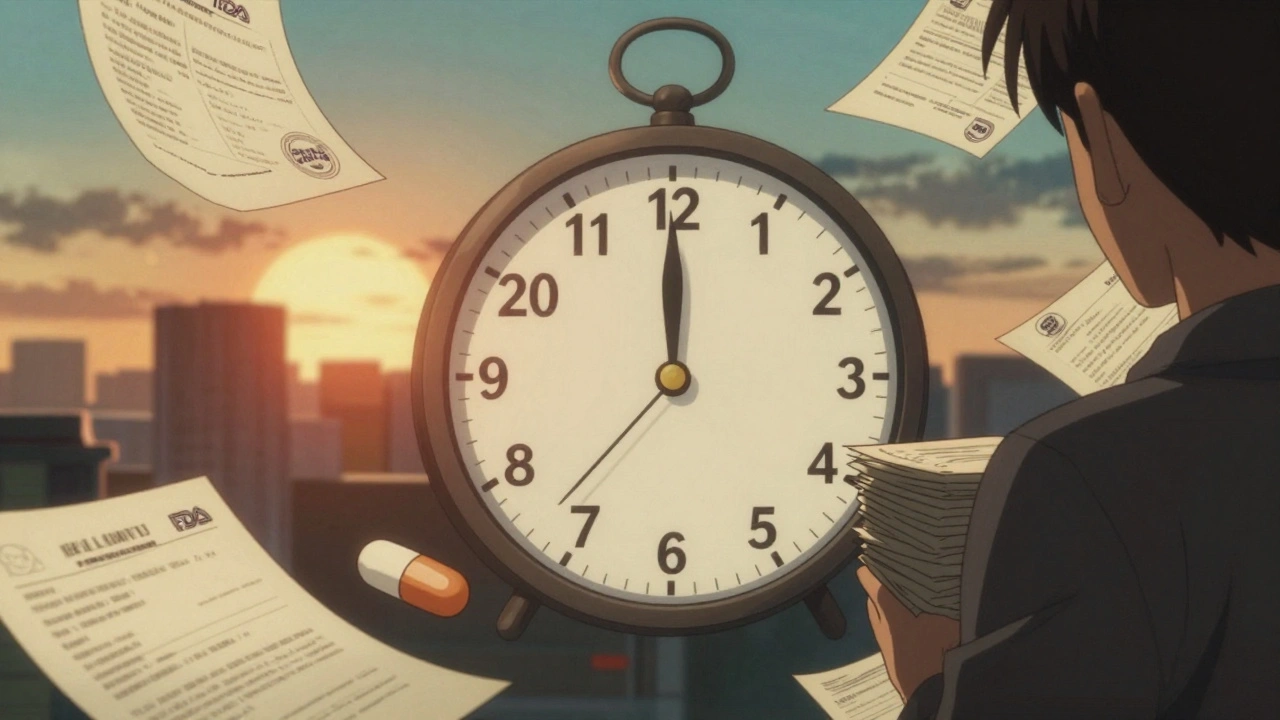
When a drug patent expiration, the legal end of exclusive manufacturing rights for a brand-name medication. Also known as a patent cliff, it’s when pharmaceutical companies lose their monopoly and other manufacturers can legally sell the same drug under its generic name. This isn’t just a business event—it’s a health turning point. Millions of people suddenly pay less for prescriptions, but not everyone knows what to watch for when switching from brand to generic.
Not all drugs are created equal after patent expiration. For medications with a narrow therapeutic index, drugs where small changes in dose can cause serious harm—like warfarin, levothyroxine, or cyclosporine—even tiny differences in how generics are made can affect how your body responds. That’s why some patients need dose adjustments after switching, as shown in studies tracking INR levels and thyroid hormone stability. And while the FDA says generics are bioequivalent, real-world data from pharmacies and clinics tell a different story: some people have unexpected side effects, lab changes, or even hospital visits after the switch.
Then there’s the generic drug warning, delayed safety alerts that often lag behind brand-name drug updates. The FDA’s labeling system doesn’t always update generic drug inserts quickly, meaning patients might not know about new risks until years later. This is why people on long-term meds need to stay alert—even if their pill looks different, the safety info might not. And when insurance denies a brand-name drug after patent expiration, you’re not just fighting bureaucracy—you’re fighting a system that assumes generics are always better, even when they’re not.
Drug patent expiration also affects who gets access. For seniors on fixed incomes, it’s a lifeline. For people with rare conditions, it can mean waiting months for a generic to become available—or paying hundreds more because no generic exists yet. The timing matters: if your drug expires in January, your co-pay might drop overnight. But if it’s a complex biologic like a TNF inhibitor, patent protections can stretch for decades through legal loopholes, keeping prices high even when the science is old.
What you’ll find below isn’t just a list of articles—it’s a practical guide to navigating what happens after the patent runs out. From how to appeal insurance denials for brand-name drugs, to why fiber supplements can block absorption of your new generic thyroid pill, to how pharmacy allergy alerts get triggered by generic switches, these posts give you the real-world tools to stay safe, save money, and speak up when something doesn’t feel right.