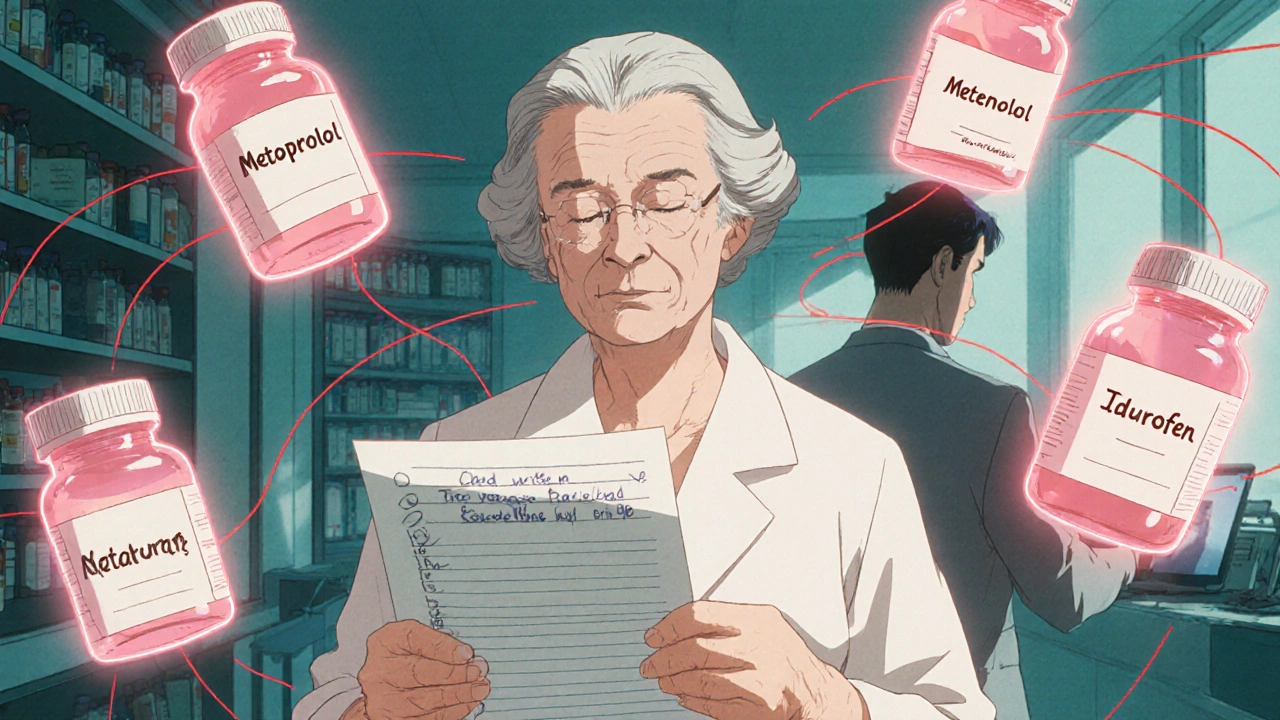
When you’re taking multiple drugs—maybe for high blood pressure, diabetes, depression, or arthritis—medication reconciliation, the process of comparing a patient’s current medications with those prescribed at each transition of care. It’s not just paperwork. It’s a safety net that stops deadly mistakes before they happen. Think of it like double-checking your bank statement: if you see a charge you didn’t make, you call the bank. With meds, a wrong dose, a duplicate drug, or a dangerous mix can land you in the ER—or worse.
Drug interactions, when two or more medications react in harmful ways are behind many of these errors. A patient on warfarin might not know green tea can mess with their INR. Someone taking lithium could develop thyroid problems without anyone checking. Patient safety, the practice of preventing harm during medical care isn’t just a buzzword—it’s the reason hospitals and pharmacies now require a full meds list at every visit. And yet, most people don’t know they’re supposed to bring it.
Medication reconciliation isn’t just for seniors on a dozen pills. It matters if you’re switching from a specialist back to your family doctor. It matters when you get discharged from the hospital. It matters when you start a new drug or stop an old one. Even something as simple as switching from brand to generic—like levothyroxine or warfarin—can need a dose tweak. That’s why doctors now check for medication errors, mistakes in prescribing, dispensing, or taking drugs at every transition. And if your pharmacist doesn’t ask you to list every pill, vitamin, or supplement you take, you should ask them to.
It’s not about trust. It’s about tracking. A 78-year-old on Benadryl for sleep might be at risk for delirium. Someone on doxepin for pain might be drowsy behind the wheel. A transplant patient on cyclosporine needs regular blood tests. These aren’t edge cases—they’re common. And without a clear, updated list of everything you’re taking, no one can see the full picture. That’s why pharmacy safety, systems and practices designed to reduce medication-related harm now include reconciliation as a standard step. Not optional. Not nice-to-have. Required.
You don’t need to be a medical expert to make this work. Just write down every pill, capsule, patch, or liquid you take—name, dose, time, reason. Bring it to every appointment. Ask: "Is this still right?" If you’ve been to the ER, changed doctors, or had a hospital stay, someone should have reviewed this list. If they didn’t, speak up. Your life isn’t a guess. It’s a list. And that list should never be outdated.
Below, you’ll find real guides on how to spot dangerous interactions, what to do when generics don’t work the same, how to prevent confusion from meds in older adults, and how to build a home safety kit for unexpected reactions. These aren’t theory pieces—they’re tools you can use today to stay safe, informed, and in control of your own health.