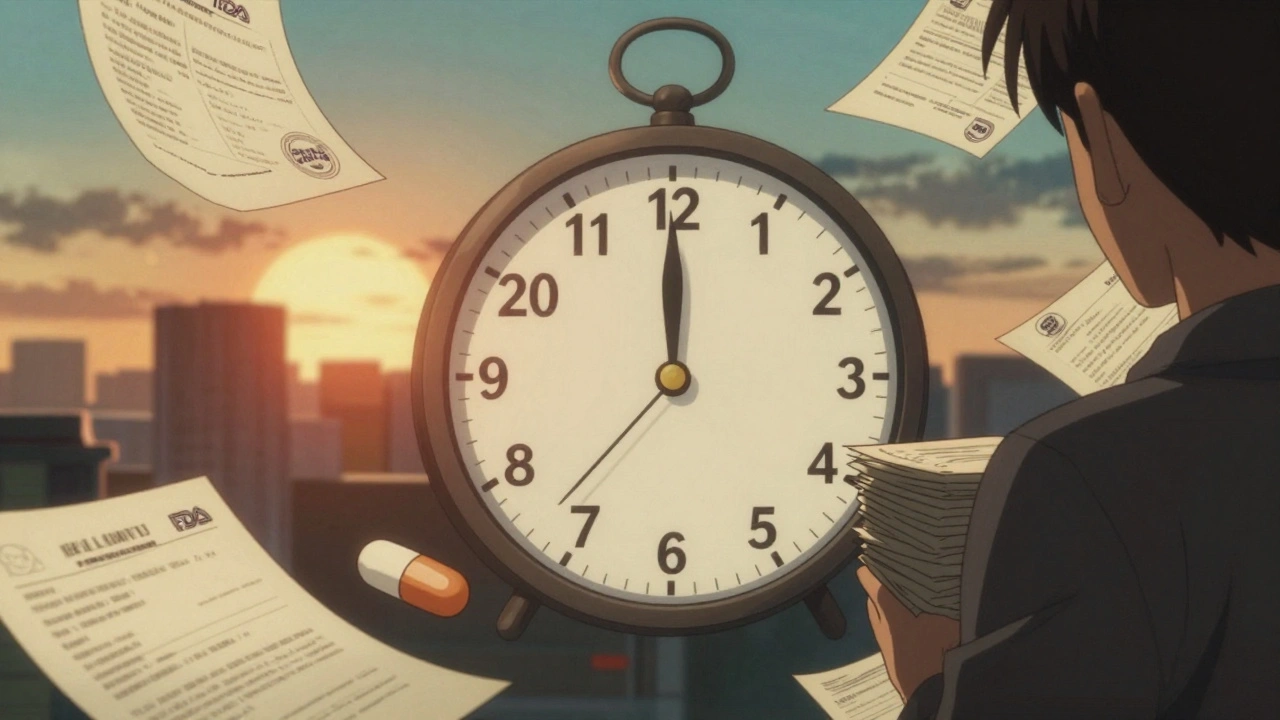
When a patent cliff, the moment a drug’s exclusive market protection expires and generic versions can legally enter the market. Also known as drug patent expiration, it’s when pharmaceutical companies lose their legal monopoly and prices often drop by 80% or more. This isn’t just a business event—it’s a turning point for your wallet and your health. Millions of people rely on drugs like Lipitor, Nexium, or Humira, and when their patents expire, the same medicine suddenly becomes affordable. But the system behind this shift is messy, slow, and full of surprises.
The generic drugs, chemically identical versions of brand-name medicines approved by the FDA after patent expiration. Also known as off-patent medications, they’re the direct result of the patent cliff. You might think switching to a generic is simple, but it’s not always smooth. Some people need dose adjustments after switching, especially with drugs like warfarin or levothyroxine that have a narrow therapeutic index. Insurance companies often push generics hard—sometimes too hard—because they save money. But not all generics are created equal. The FDA allows small differences in how the drug is absorbed, and for some patients, that’s enough to cause problems. That’s why doctors sometimes need to re-tune your dose after a switch.
Then there’s the brand-name medications, original drugs protected by patents that prevent competitors from selling copies for a set time. Also known as innovator drugs, they’re the expensive ones you see in TV ads. Companies fight hard to delay the patent cliff. They tweak the formula slightly, file new patents on delivery methods, or even pay generic makers to wait before launching their version. These tricks, called evergreening, keep prices high longer. And when the patent finally falls, the rush to market can be chaotic. Some generic makers cut corners. Others rush production and face shortages. That’s why you might hear about drug shortages right after a patent expires—supply can’t keep up with sudden demand.
And don’t forget the pharmaceutical patents, legal protections that give drugmakers exclusive rights to sell a medicine for 20 years from the filing date. Also known as drug exclusivity, they’re the foundation of the entire system. These patents aren’t just about profit—they’re meant to pay back the billions spent on research. But here’s the catch: many drugs are approved with little real-world testing. Once generics arrive, we start seeing side effects and interactions that weren’t caught in clinical trials. That’s why FDA safety alerts for generics often come later than for brand-name versions. The system is built to protect innovation, but it leaves patients catching the fallout.
What you’ll find in the posts below are real stories from people who’ve lived through the patent cliff. Some saved hundreds a month after switching to generics. Others had dangerous drops in INR after changing brands. Some fought insurance denials to keep their brand-name drug because the generic didn’t work for them. These aren’t abstract theories—they’re daily realities shaped by patent laws, corporate decisions, and how the system treats your health. Whether you’re on a $1,000-a-month biologic or a $5 generic, the patent cliff affects you. And knowing how it works could save you money, or even your life.