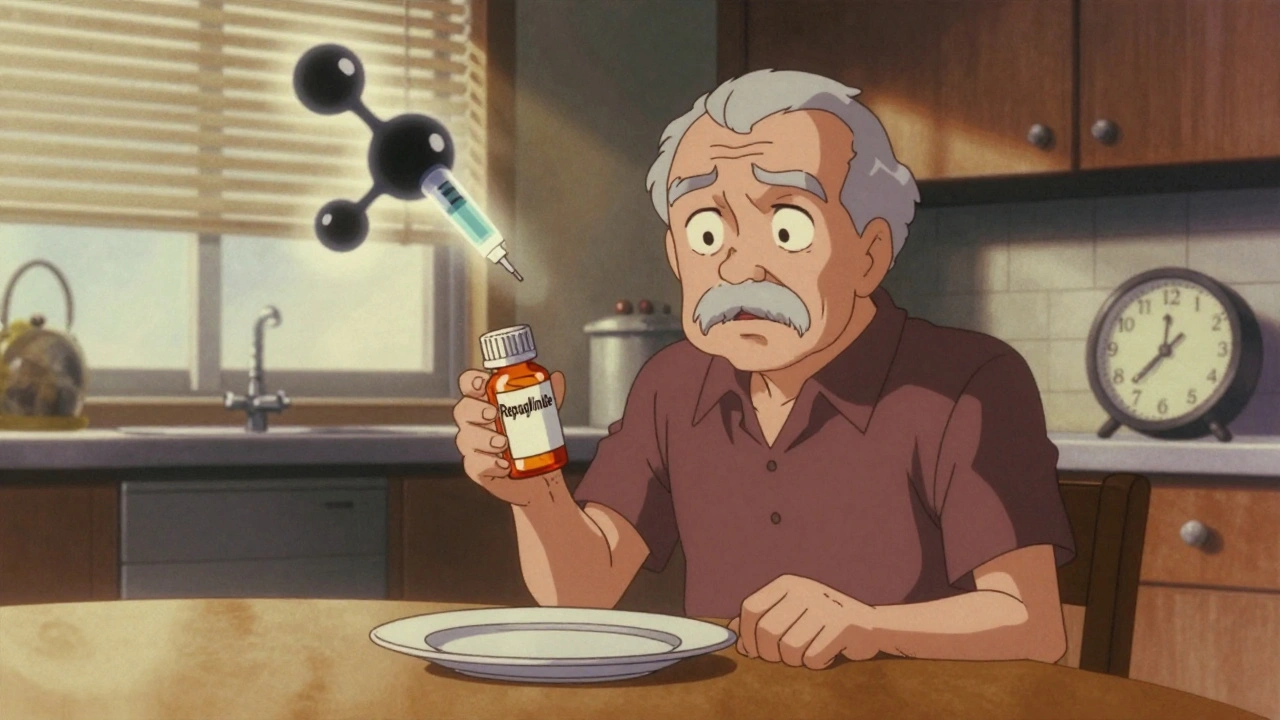
When your blood sugar drops too low, your body doesn’t have enough fuel to function properly—that’s hypoglycemia, a condition where blood glucose falls below 70 mg/dL, triggering symptoms like shakiness, confusion, sweating, and in severe cases, seizures or loss of consciousness. Also known as low blood sugar, it’s not just a minor inconvenience—it’s a medical event that needs quick action. Many people with diabetes experience it, but it can also happen to those without diabetes, especially if they’re taking certain medications, skipping meals, or drinking alcohol on an empty stomach.
Diabetes medications, including insulin, sulfonylureas like glyburide, and even some newer drugs, are the most common cause of hypoglycemia. Older adults are especially vulnerable because their bodies don’t respond to low sugar as quickly, and they often take multiple drugs that can interact. Even something as simple as skipping breakfast or over-exercising without adjusting your dose can send blood sugar crashing. And here’s the catch: sometimes, the warning signs disappear over time—especially if you’ve had diabetes for years. That’s called hypoglycemia unawareness, and it’s one of the most dangerous forms because you don’t feel it coming.
Senior diabetes care, requires special attention to medication timing, meal schedules, and monitoring. Drugs like glyburide, once common in older patients, are now often avoided because they linger in the body and cause prolonged lows. Meanwhile, newer options like metformin or GLP-1 agonists carry much less risk. But even if you’re on a safer drug, hypoglycemia can still happen if you’re not eating enough, drinking too much, or taking other meds that interfere—like beta-blockers, which hide the warning signs. It’s not just about the drug you take—it’s about how you live with it.
Preventing hypoglycemia isn’t about avoiding insulin or cutting carbs. It’s about balance. Know your triggers. Carry fast-acting sugar—glucose tabs, juice, or candy—everywhere. Check your blood sugar before driving, before bed, and after exercise. Talk to your doctor if you’ve had more than one low in a month. And if you live alone, make sure someone knows what to do if you pass out. This isn’t just advice—it’s a survival plan.
Below, you’ll find real-world guides on how to avoid dangerous lows, which diabetes drugs are safest for seniors, how fiber supplements can interfere with your meds, and what to do when your body stops warning you that your sugar is dropping. These aren’t theory pieces—they’re tools built from patient experiences and clinical data. You don’t need to guess what to do next. The answers are here.