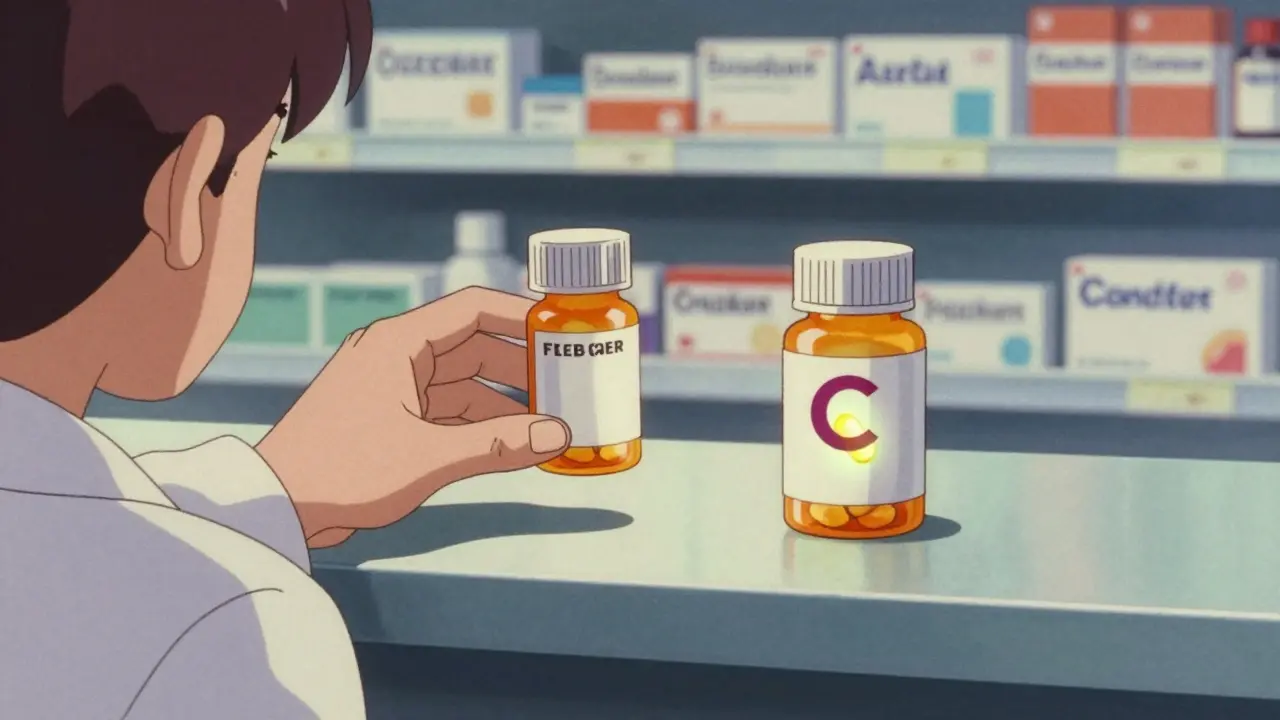
When you hear generic drugs, pharmaceutical versions of brand-name medicines that contain the same active ingredients, work the same way, and are approved by the FDA. Also known as non-brand medications, they're often half the price—but that doesn't mean they're always a simple swap. Millions of people use them every day without issue. But for some, switching from a brand-name drug to a generic can trigger unexpected side effects, unstable blood levels, or even dangerous health dips. It’s not about quality—it’s about how your body reacts to tiny differences in fillers, coatings, or release patterns.
That’s why narrow therapeutic index, a category of drugs where even small changes in blood levels can cause serious harm matters so much. Medications like warfarin, levothyroxine, and lithium fall into this group. If your doctor switches you to a generic version of one of these, your INR or thyroid levels might drift. That’s not a flaw in the generic—it’s a quirk of biology. The FDA says generics are bioequivalent, but bioequivalent doesn’t mean identical in your body. That’s why some patients need a dose tweak after switching, and why doctors should monitor you closely.
And then there’s the FDA safety alerts, official warnings about drug risks that often lag for generics because labeling rules haven’t kept up. If a brand-name drug gets a new black-box warning for liver damage, the generic version might still carry the old label for months—or even years. You might not know you’re at risk unless you’re actively checking. That’s why reading pharmacy alerts and asking your pharmacist about recent FDA updates isn’t optional—it’s essential.
People think switching to generic drugs is just about saving money. It’s more than that. It’s about knowing when it’s safe, when it’s risky, and how to protect yourself. Some generics work perfectly. Others? They need extra attention. You don’t need to avoid them. You just need to understand how they behave in your system. Below, you’ll find real stories and science-backed advice on when generics are a win, when they need caution, and what to do if something feels off after the switch.