2025 November Medication Safety Archives: Drug Risks, Interactions, and Smart Use

When it comes to medication safety, the practice of using drugs correctly to avoid harm while getting real benefits. Also known as drug safety, it’s not just about taking pills as directed—it’s about understanding how they interact with your body, other meds, and even your diet. In November 2025, this site focused on the quiet dangers most people ignore: how a common antihistamine might slowly erode your memory, why switching to a generic thyroid pill could throw off your dose, or how a fiber supplement might block your diabetes drug from working. These aren’t rare edge cases—they’re everyday risks that show up in pharmacies, doctor’s offices, and medicine cabinets across the country.

One major theme this month was anticholinergic burden, the cumulative effect of drugs that block acetylcholine, a key brain chemical. This includes everyday items like Benadryl, oxybutynin for overactive bladder, and even some sleep aids. Research linked long-term use to higher dementia risk and brain shrinkage, yet most people don’t realize these drugs are on their list. Another critical topic was drug interactions, when one medication changes how another works in your body. Ashwagandha boosting thyroid hormone levels, fiber cutting absorption of levothyroxine, or MAOIs reacting dangerously with aged cheese—these aren’t theoretical. They’re documented cases that lead to ER visits. And then there’s medication dosing, the precise measurement needed to get the right effect without harm. A teaspoon instead of a milliliter, a missed timing window, or a faulty syringe can turn a safe drug into a dangerous one—especially for kids and seniors.

What you’ll find below isn’t just a list of articles. It’s a practical field guide for navigating modern drug therapy. You’ll learn how to challenge an insurance denial for a brand-name drug, how to read pharmacy allergy alerts without falling for false alarms, and why routine stomach protection with PPIs might be doing more harm than good. There’s advice for seniors on avoiding delirium from common meds, how to prevent dangerous low blood sugar with diabetes drugs, and what to do if you’re taking TNF inhibitors and worried about cancer risk. Every post is grounded in real data, real patients, and real mistakes that happen when people don’t know what to ask. No fluff. No guesswork. Just what you need to stay safe while using the medicines you rely on.
Migraine Medications: Triptans, Gepants, and Ditans Safety Compared

Migraine Medications: Triptans, Gepants, and Ditans Safety Compared

Compare the safety of triptans, gepants, and ditans for migraine treatment. Learn which has the fewest side effects, who should avoid each, and what experts recommend based on the latest clinical data.

SEE MORE
OTC Heartburn Medications: Antacids, H2 Blockers, and PPIs Explained

OTC Heartburn Medications: Antacids, H2 Blockers, and PPIs Explained

Learn how antacids, H2 blockers, and PPIs work for heartburn - and which one is right for you. Know the risks, timing, and real-world limits of OTC heartburn meds.

SEE MORE
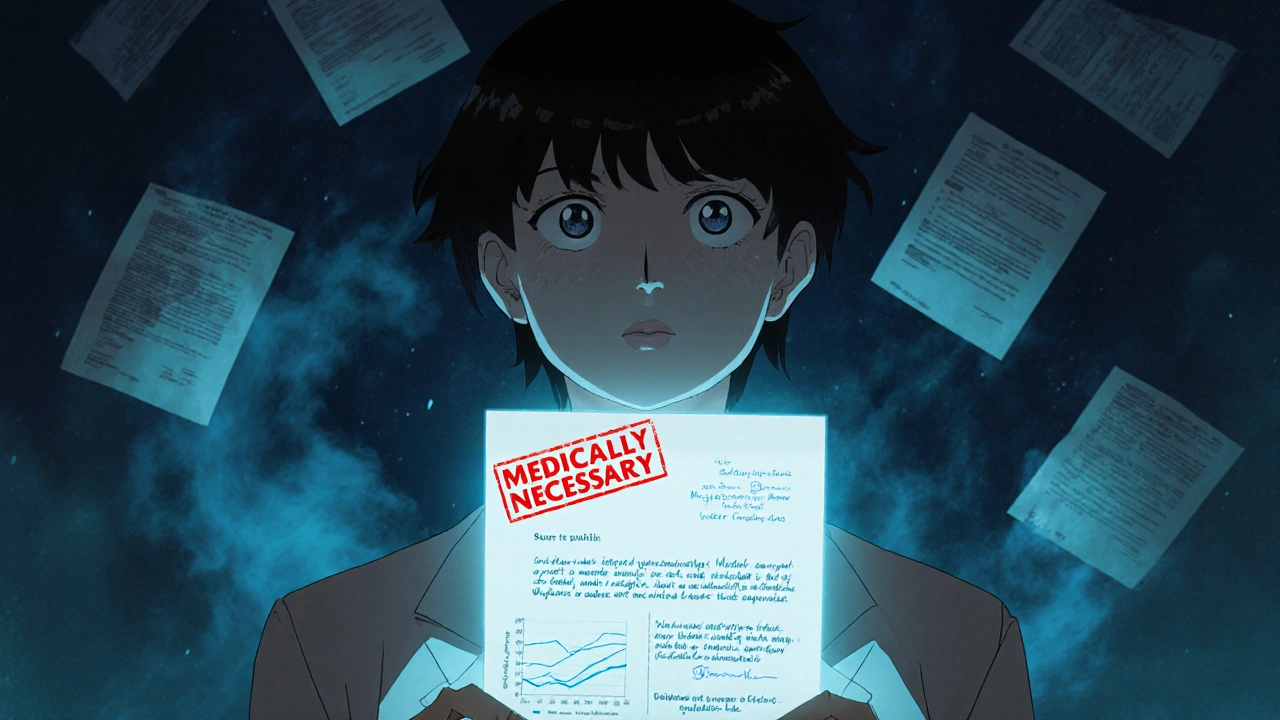
How to Appeal Insurance Denials for Brand-Name Medications

How to Appeal Insurance Denials for Brand-Name Medications

Learn how to successfully appeal insurance denials for brand-name medications. Get step-by-step guidance on filing internal and external appeals, writing a strong medical letter, and when to hire a lawyer.

SEE MORE
How to Ensure Accurate Dosing Devices with Liquid Prescriptions

How to Ensure Accurate Dosing Devices with Liquid Prescriptions

Accurate liquid medication dosing prevents dangerous errors. Use oral syringes, avoid household spoons, match label units to device markings, and practice with water to ensure safety-especially for children.

SEE MORE
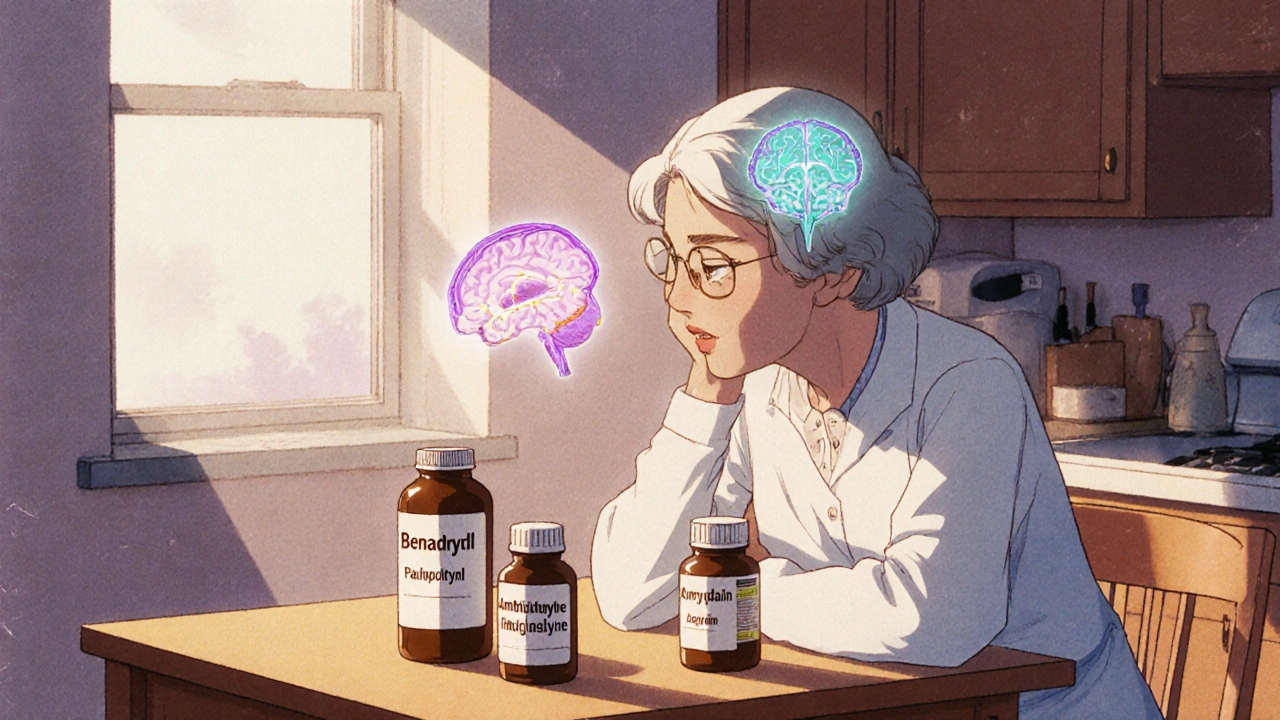
Anticholinergic Medications and Dementia: What You Need to Know About Cognitive Risk

Anticholinergic Medications and Dementia: What You Need to Know About Cognitive Risk

Long-term use of anticholinergic medications like Benadryl and oxybutynin is linked to increased dementia risk and brain changes. Learn which drugs are most dangerous, how to reduce your burden, and safer alternatives.

SEE MORE
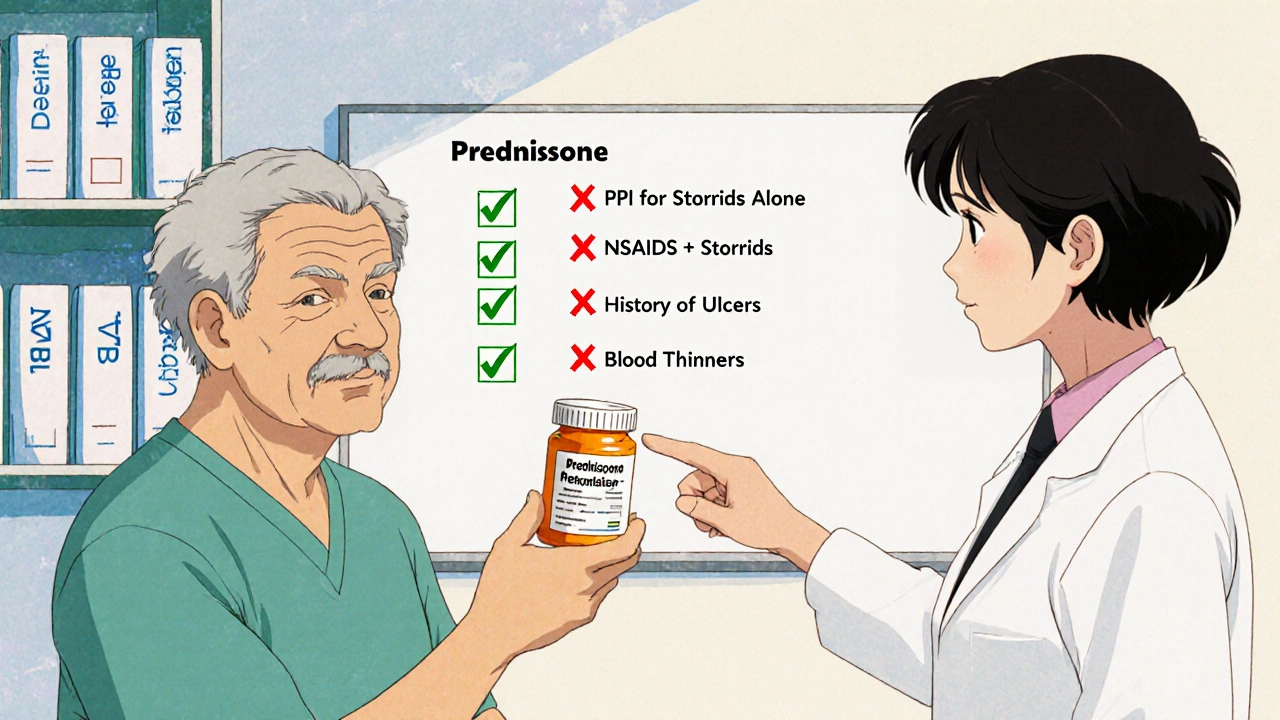
Gastric Ulcers from Corticosteroids: What You Really Need to Know About Prevention and Monitoring

Gastric Ulcers from Corticosteroids: What You Really Need to Know About Prevention and Monitoring

Corticosteroids alone rarely cause gastric ulcers, but combining them with NSAIDs greatly increases risk. Learn who actually needs PPIs, what symptoms to watch for, and why routine prophylaxis may do more harm than good.

SEE MORE
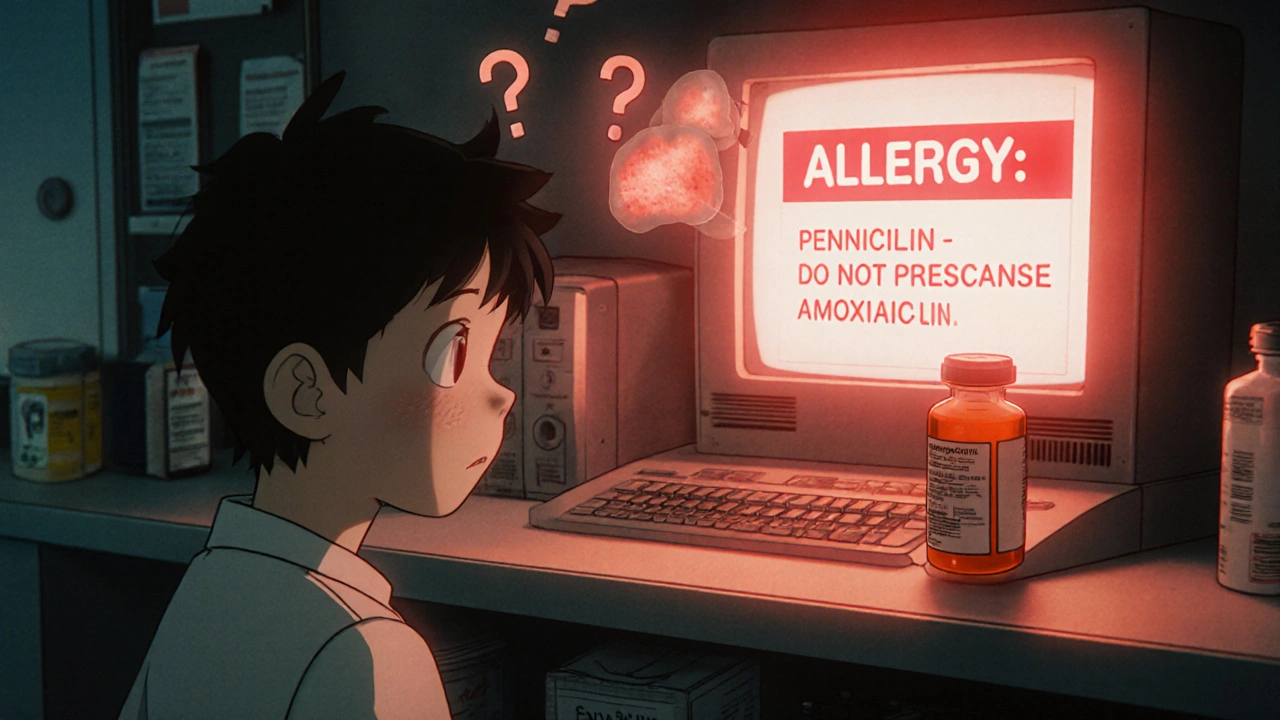
How to Read Pharmacy Allergy Alerts and What They Really Mean

How to Read Pharmacy Allergy Alerts and What They Really Mean

Pharmacy allergy alerts are meant to protect you-but most are wrong. Learn how to read them, spot false warnings, and avoid dangerous overrides by understanding what's real and what's noise.

SEE MORE
MAOI Dietary Restrictions: Tyramine Triggers and Safety Plan

MAOI Dietary Restrictions: Tyramine Triggers and Safety Plan

Learn the real MAOI dietary restrictions: which foods trigger dangerous tyramine reactions, what's actually safe to eat today, and how to build a personalized safety plan to avoid hypertensive crisis while treating depression.

SEE MORE
Ashwagandha and Thyroid Medications: The Hidden Risk of Over-Replacement

Ashwagandha and Thyroid Medications: The Hidden Risk of Over-Replacement

Ashwagandha may help with stress and sleep, but for people on thyroid medication, it can cause dangerous over-replacement of thyroid hormones. Learn why combining these can lead to hyperthyroidism and what to do if you're already using both.

SEE MORE
TNF Inhibitors and Cancer Risk: What You Need to Know About Biologics and Immunosuppression

TNF Inhibitors and Cancer Risk: What You Need to Know About Biologics and Immunosuppression

TNF inhibitors help control autoimmune diseases but raise cancer risk concerns. Data shows no overall increase in cancer, but skin cancer risk is slightly higher. Etanercept may be safer than adalimumab. Screening and timing matter more than avoidance.

SEE MORE