Medications: Practical Guides, Safe Buying, and Alternatives

Buying or choosing medicines shouldn't feel risky. On this page you'll find clear, practical guides about buying drugs online, safe pharmacy checks, common drug interactions, and sensible alternatives when a medicine causes problems.

Buy online safely

If you plan to buy medication online, check three things: a valid pharmacy license, customer reviews that look real, and a clear contact address with phone support. Avoid sellers that offer prescription-only drugs without asking for a prescription. Compare prices but remember: very low price can mean counterfeit or expired stock. If shipping times are vague or packaging looks unprofessional, don't order.

Know your alternatives and interactions

Some meds work but cause side effects or stop working over time. Our articles compare options like quetiapine alternatives, antibiotics that replace Zithromax, and substitutes for hydroxychloroquine. Each comparison covers effectiveness, common side effects, and who should avoid the option. We also explain which drugs should never mix — for example, how avanafil interacts with nitrates or certain antifungals — so you can flag risky combos before you take them.

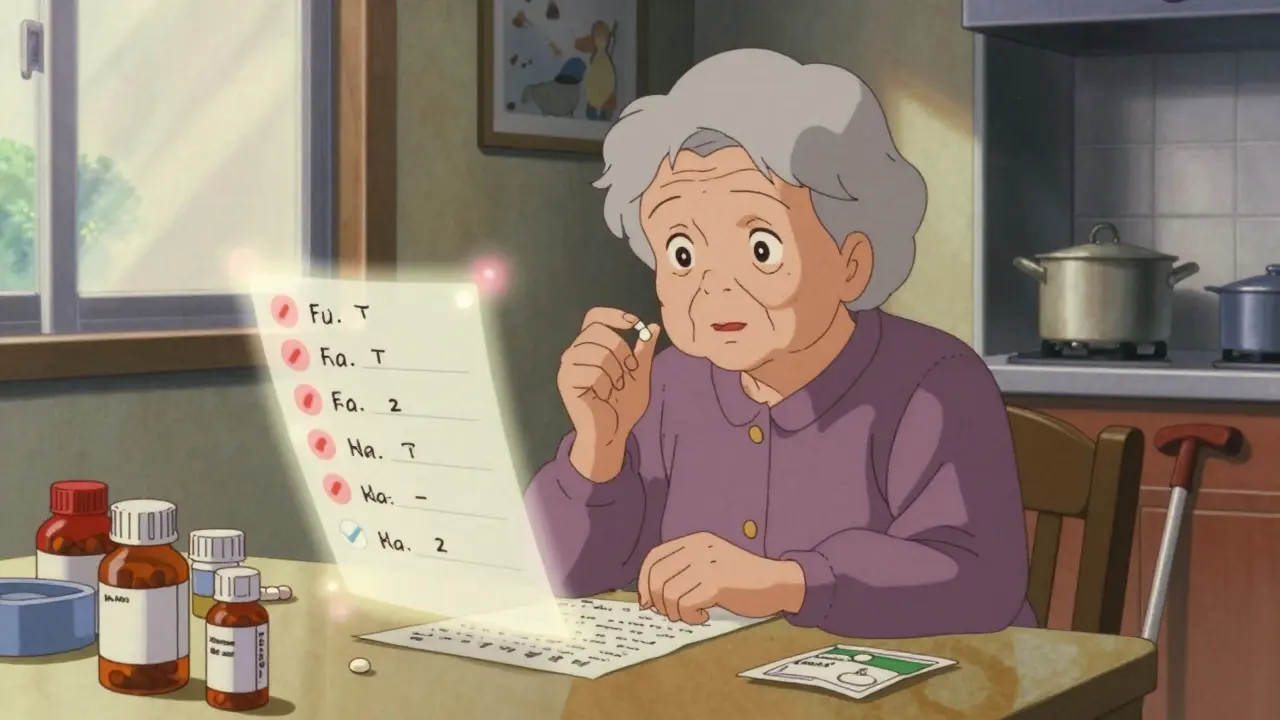
When a medicine gives you bad side effects, call your prescriber. Use our guides to ask the right questions: is an alternative available, do I need blood tests, will switching change how daily life feels? Practical tips include tracking symptoms for two weeks after a change and keeping a simple list of all pills and supplements you take.

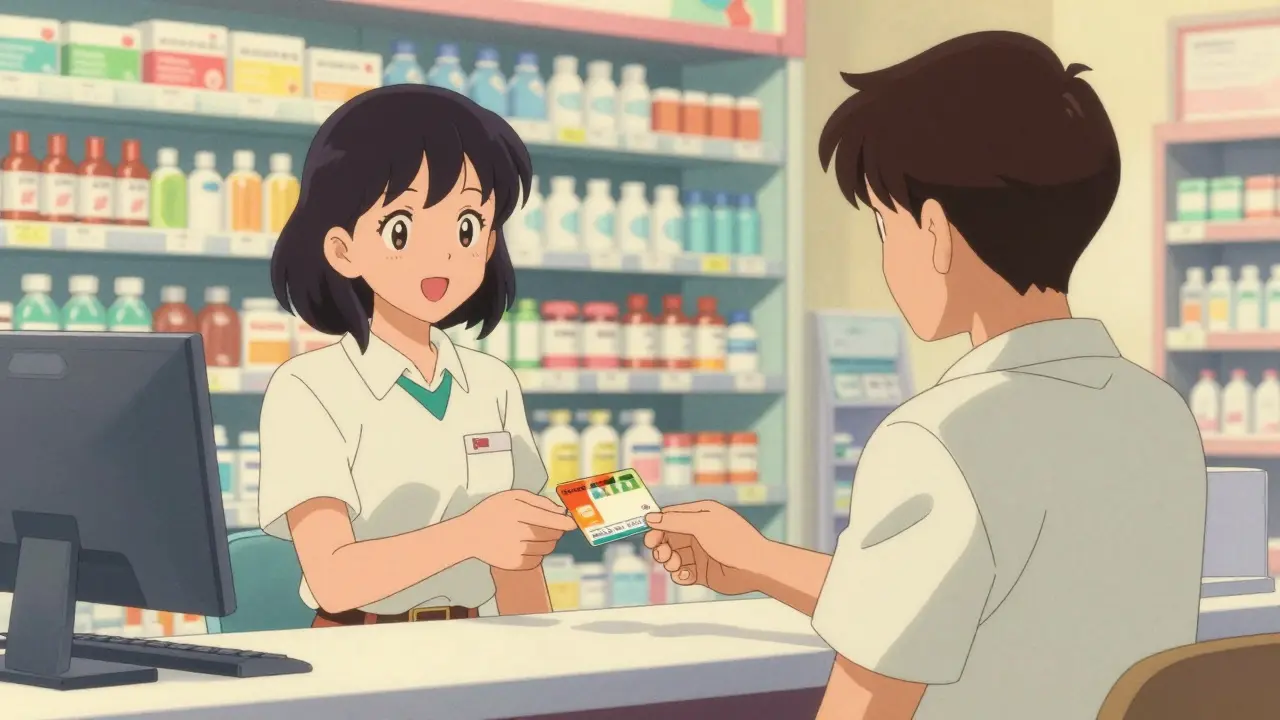
Prescription verification is simple: request the pharmacy's license number and confirm it on your state or national regulator's website. For international pharmacies, check independent reviews and whether they require a telehealth consult or a scanned prescription. Legit vendors often offer pharmacist chat support; shady sites do not.

Price hunting is useful but beware bundled savings that hide poor quality. If a deal seems too good, search the product batch online or ask the seller about manufacturing date and batch number. Real pharmacies will answer; fake sellers dodge specifics.

We cover meds used for mental health, infections, vertigo, and sexual health — from quetiapine and hydroxychloroquine alternatives to Zithromax swaps and avanafil interactions. Each article gives direct tips, realistic pros and cons, and steps you can take with your doctor.

If you have questions about a specific drug, check the related article linked on this page for deeper info. Bring any article notes to your clinician — that helps make faster, safer choices together.

Quick checklist before any purchase: verify license, ask for prescription, confirm manufacturing date, read recent user reviews, and note return policy. If you are switching meds, write down current dose, key side effects, and a one-week symptom diary to show your doctor. For antibiotics and mental health drugs we list common alternatives and when to discuss them with your prescriber. Bookmark this category and use it when you need fast, trustworthy advice. If something feels off, stop and call a pharmacist or doctor before taking the medication. Share any concerns with a clinician and keep all receipts and labels.

Signs You're Misusing Over-the-Counter Drugs and What to Do

Signs You're Misusing Over-the-Counter Drugs and What to Do

Many people don’t realize how dangerous misusing over-the-counter drugs can be. From cough syrup to anti-diarrhea pills, taking more than directed can lead to heart damage, liver failure, and psychosis. Learn the signs-and what to do next.

SEE MORE
Generic Drug Availability: Why the Same Medicine Costs Different Amounts Around the World

Generic Drug Availability: Why the Same Medicine Costs Different Amounts Around the World

Generic drugs are used worldwide, but availability and pricing vary dramatically. The U.S. has high generic use but high prices, while India makes most generics but faces quality concerns. Why do the same pills cost so differently across countries?

SEE MORE
When to Suggest Authorized Generics: Pharmacist Recommendations for Safer, Cheaper Substitutions

When to Suggest Authorized Generics: Pharmacist Recommendations for Safer, Cheaper Substitutions

Pharmacists should recommend authorized generics when patients have allergies to inactive ingredients, take narrow therapeutic index drugs, or use modified-release formulations. These are identical to brand-name drugs but cost 20-80% less.

SEE MORE
SGLT2 Inhibitors and Diabetic Ketoacidosis: What You Need to Know About the Hidden Risk

SGLT2 Inhibitors and Diabetic Ketoacidosis: What You Need to Know About the Hidden Risk

SGLT2 inhibitors help manage type 2 diabetes but carry a hidden risk of euglycemic diabetic ketoacidosis - a life-threatening condition with normal or low blood sugar. Know the signs, when to test for ketones, and who’s most at risk.

SEE MORE
Vitamin K Foods and Warfarin: How to Eat Consistently for Stable Blood Thinners

Vitamin K Foods and Warfarin: How to Eat Consistently for Stable Blood Thinners

Learn how to eat vitamin K foods safely while on warfarin. Discover why consistency beats restriction, which foods matter most, and simple strategies to keep your INR stable without giving up greens.

SEE MORE
Drug Allergies: Penicillin, NSAIDs, and Desensitization Protocols Explained

Drug Allergies: Penicillin, NSAIDs, and Desensitization Protocols Explained

Most people labeled penicillin-allergic aren't truly allergic. Learn how skin testing, NSAID desensitization, and controlled drug protocols can safely restore access to life-saving medications.

SEE MORE
When Do Drug Patents Expire? Understanding the 20-Year Term and What Really Happens

When Do Drug Patents Expire? Understanding the 20-Year Term and What Really Happens

Drug patents don't last 20 years in practice - most expire after 7-12 years due to R&D delays. Learn how patent extensions, regulatory exclusivity, and patent thickets delay generic competition and affect drug prices.

SEE MORE
FDA Safety Alerts: What You Need to Know About Generic Drug Warnings

FDA Safety Alerts: What You Need to Know About Generic Drug Warnings

FDA safety alerts for generic drugs often lag behind brand-name versions due to outdated labeling rules. Learn how the system works, why it matters, and what you can do to stay safe.

SEE MORE
Meglitinides and Hypoglycemia: Why Skipping Meals Is Dangerous with These Diabetes Drugs

Meglitinides and Hypoglycemia: Why Skipping Meals Is Dangerous with These Diabetes Drugs

Meglitinides help control post-meal blood sugar but carry a high risk of hypoglycemia if meals are skipped. Learn how to use repaglinide and nateglinide safely, who should avoid them, and what alternatives exist.

SEE MORE
Migraine Medications: Triptans, Gepants, and Ditans Safety Compared

Migraine Medications: Triptans, Gepants, and Ditans Safety Compared

Compare the safety of triptans, gepants, and ditans for migraine treatment. Learn which has the fewest side effects, who should avoid each, and what experts recommend based on the latest clinical data.

SEE MORE